Democratic institutions · World
A new trade compact puts public scrutiny ahead of speed
Demo journalism: A fictional compact would require 80% of proposed trade rules to undergo public review before governments could approve them.
By Mara Velliston · 7 min read
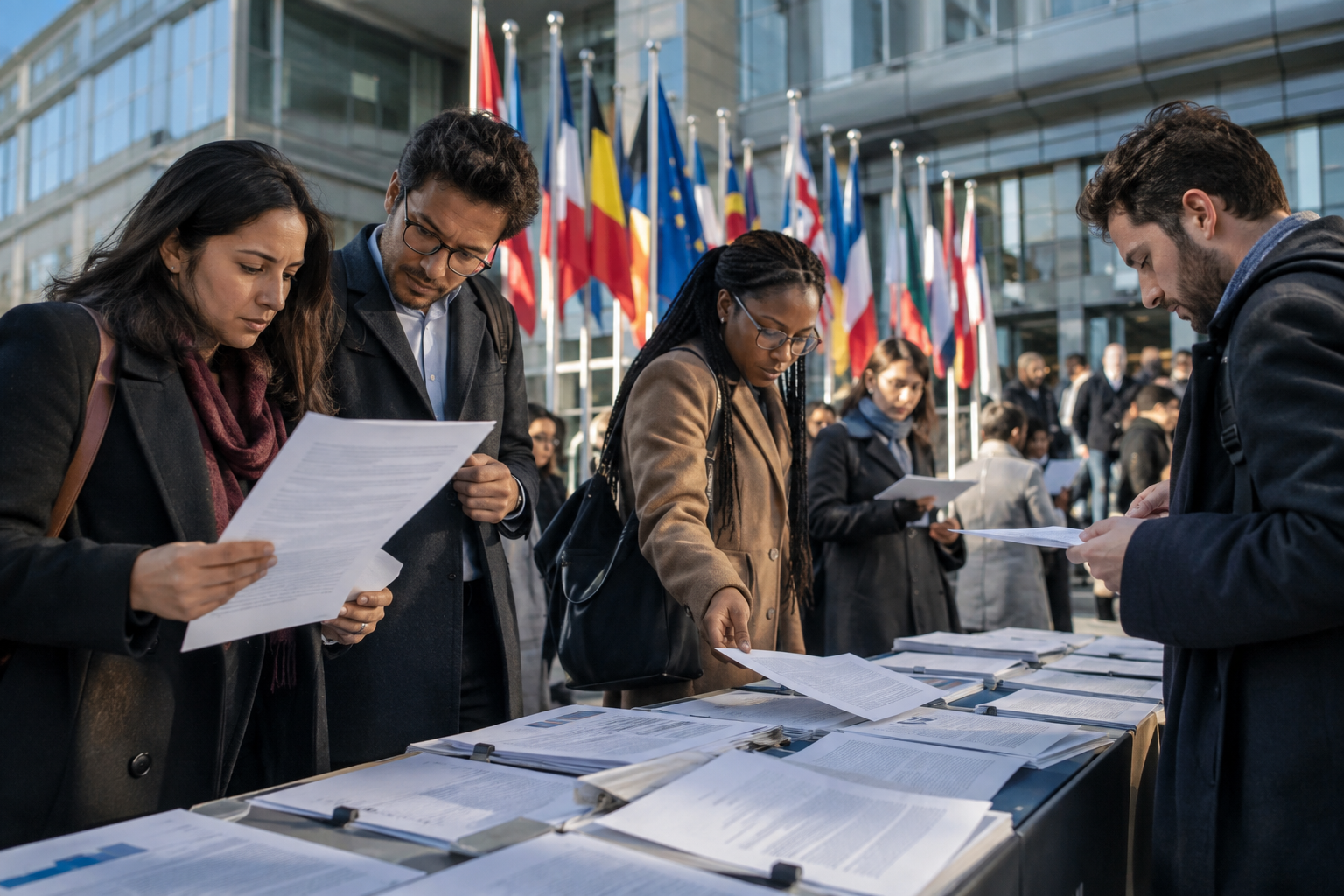
In this fictional edition for Monday, September 28, 2026, negotiators from 14 invented parliamentary democracies have completed a draft trade compact that makes scrutiny part of the agreement rather than an obstacle to it. The proposed Civic Trade Accord would subject 80% of implementing rules to public review, extending oversight beyond tariffs to procurement standards, digital paperwork and the recognition of professional qualifications.
The compact's central mechanism is a shared legislative calendar. Governments would publish draft regulations for 90 days before a final vote, while parliamentary committees could commission independent cost assessments from a common secretariat. A proposed €240 million administrative fund would help smaller members participate. Its allocation formula favors legislatures with limited analytical staff, rather than those with the largest economies or trade delegations.
The economic argument is less straightforward than the institutional one. Longer consultations could delay useful agreements, and well-organized industries would still have more capacity to submit evidence than individual citizens. To limit that imbalance, the draft reserves 30% of hearing time for consumer associations, small employers and civic groups selected through published criteria. Whether that allocation improves decisions would require evaluation rather than assumption.
Read more: River neighbors test a treaty built around shared measurements
The unresolved issue is enforcement. Members could challenge a partner's failure to consult, but the proposed remedy is a fresh domestic review, not an automatic trade penalty. That modest design may make ratification easier while limiting the compact's leverage. Its larger wager is that visible procedures can sustain international cooperation more reliably than ambitious promises negotiated beyond the reach of ordinary legislative debate.