British politics · Politics
Burnham calls for ‘honest discussion’ on EU freedom of movement
The prime minister is considering closer ties with Brussels, including possible single market or EU membership, but says fundamental changes would need an election mandate.
By Nessa Dalric · 4 min read
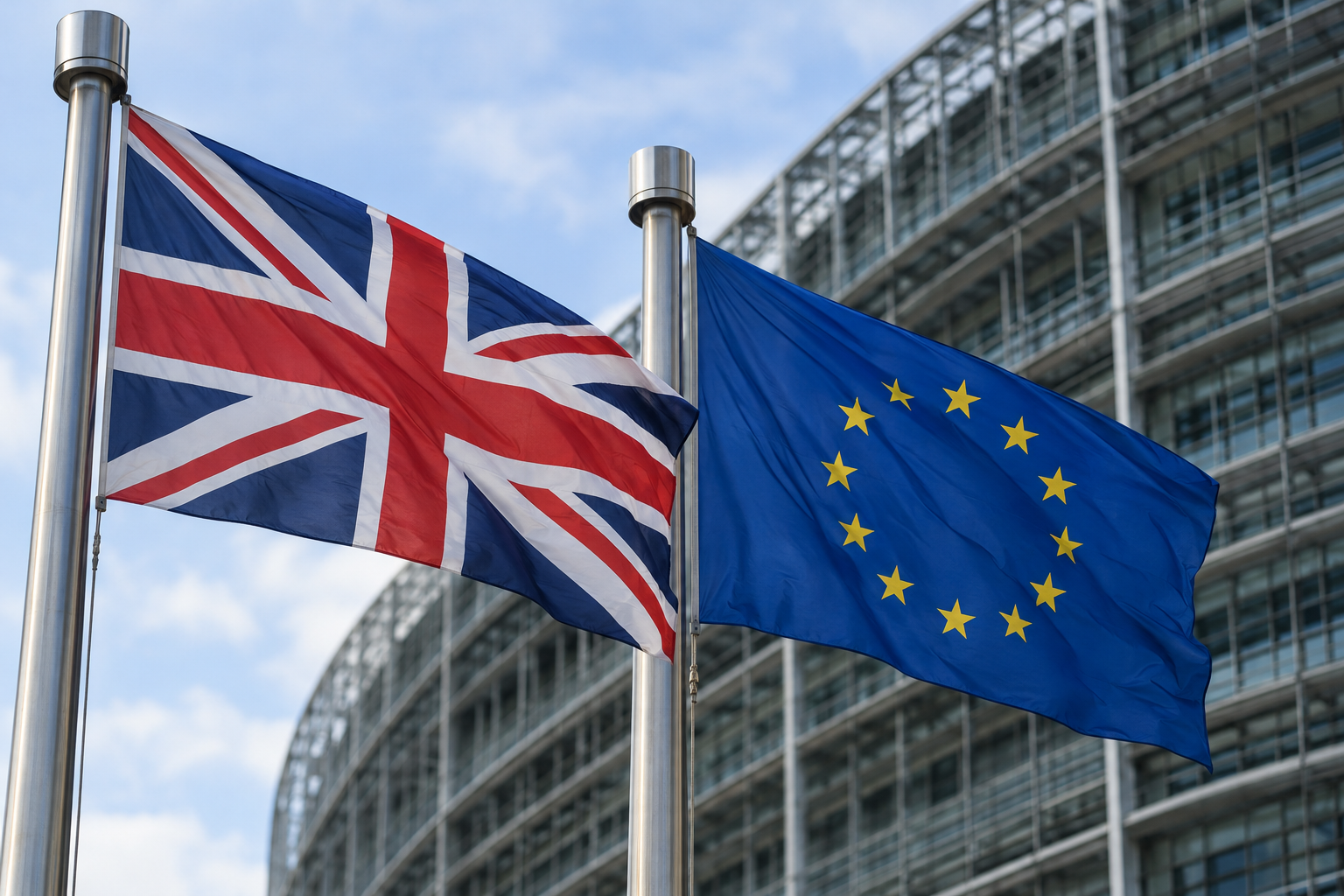
Prime Minister Andy Burnham has called for an “honest discussion” about restoring freedom of movement between Britain and the European Union, opening a debate over migration as he considers a closer relationship with Brussels. His remarks put single market participation and possible EU membership among the options for discussion, while drawing criticism from opponents who say a return to free movement would disregard the Brexit vote. Burnham argues that migration today differs from the patterns experienced during Britain’s EU membership.
The immediate constraint is Labour’s 2024 election manifesto, which rejected free movement, membership of the single market and a customs union. Burnham has previously committed himself to those pledges and says a fundamental change in relations would need voters’ approval at a general election, due by 2029. He is scheduled to meet EU leaders at a Brussels summit on 20 November, where he is expected to discuss options for the relationship. That timetable separates his effort to explore a new relationship from any electoral authority to make a more substantial change.
In an interview, Burnham presented the question as one requiring scrutiny rather than a simple revival of the arguments surrounding Britain’s departure. “I think you have to have a very factual, quite evidence-based debate about this,” he said. He accepted that freedom of movement “had very significant challenges associated with it”, but suggested that European migration had changed over the past decade. That acknowledgement leaves room for debate over the earlier system’s difficulties as well as the benefits he associates with it.
Read more: Lula and Flavio Bolsonaro supporters rally before Brazil’s presidential vote
Burnham’s central distinction concerns how people moved, not simply whether they could enter Britain. He described migration under EU membership as often involving younger people who spent a period in the country before returning home. “It was generally younger people, not always, but spending a few years, then going back,” he said. He also pointed to the reciprocal opportunities for British citizens. His case therefore puts the duration and character of migration alongside the question of access to the country.
The distinction matters to the political argument because migration featured prominently in the 2016 referendum campaign. Leave campaigners challenged arrangements permitting EU citizens to move to Britain, making control over entry a central point of contention. Burnham is now asking whether that experience should be assessed differently in light of subsequent changes. His quoted comments describe those differences without offering a numerical comparison of their scale, alongside his call for an evidence-based discussion.
His interest in closer ties extends beyond migration policy. In September, Burnham said Britain could go “all the way” towards returning to the EU. His latest remarks nevertheless set limits on what he would support: “I can’t see myself ever recommending anything that would involve joining the euro or Schengen.” Schengen provides for passport-free travel across EU countries. Britain retained the pound during its earlier membership, while the EU has pressed new members to adopt the single currency, a consideration for any discussion of rejoining.
Read more: Humana and UnitedHealthcare to end Medicare Advantage plans covering about 1 million seniors
Shadow home secretary Chris Philp rejected the prospect of restoring free movement, arguing that it would surrender border control and permit uncontrolled migration from Europe. “The British people voted to end free movement, and there can be no return to it,” he said. His response treats the referendum result as a continuing constraint on policy, in contrast to Burnham’s proposal to reopen discussion and seek an election mandate before making fundamental changes. The disagreement is therefore about both migration policy and the authority required to change it.
Reform UK leader Nigel Farage also criticised Burnham, linking his remarks to promises made during his return to parliament. “This is a total betrayal of Brexit Britain and his Makerfield pitch,” Farage said. Burnham won the Greater Manchester constituency in a June by-election before becoming prime minister the following month. Makerfield backed Leave in 2016. During the by-election campaign, he had opposed reopening Brexit arguments and said he was “not proposing that the UK considers rejoining the EU”.
Those earlier commitments give Burnham’s opponents a specific basis for challenging his current position. His stated requirement for an election mandate distinguishes discussion of future options from implementing fundamental changes under the existing mandate. Yet the policy questions remain linked: the single market option he is considering would require free movement, while his stated limits on the euro and Schengen qualify his openness to full EU membership. A debate over closer economic relations would consequently also have to address the terms on which people could move.
The Brussels summit will provide a forum for Burnham to present possible ways of resetting relations with the bloc. He is expected to put options to EU leaders on 20 November, but any fundamental revision is likely to await a general election. For now, his intervention seeks to broaden the discussion while retaining the requirement for a new mandate. The next question is how far that discussion can advance within Labour’s existing commitments, and what alternative Burnham would eventually ask voters to endorse.