Culture · Culture
Detroit Public Schools breaks ground on Southwest International Academy of Arts and Culture
The academy will give students exposure to music, dance and theater alongside core classes, according to the district’s deputy superintendent of operations.
By Oren Valcett · 3 min read
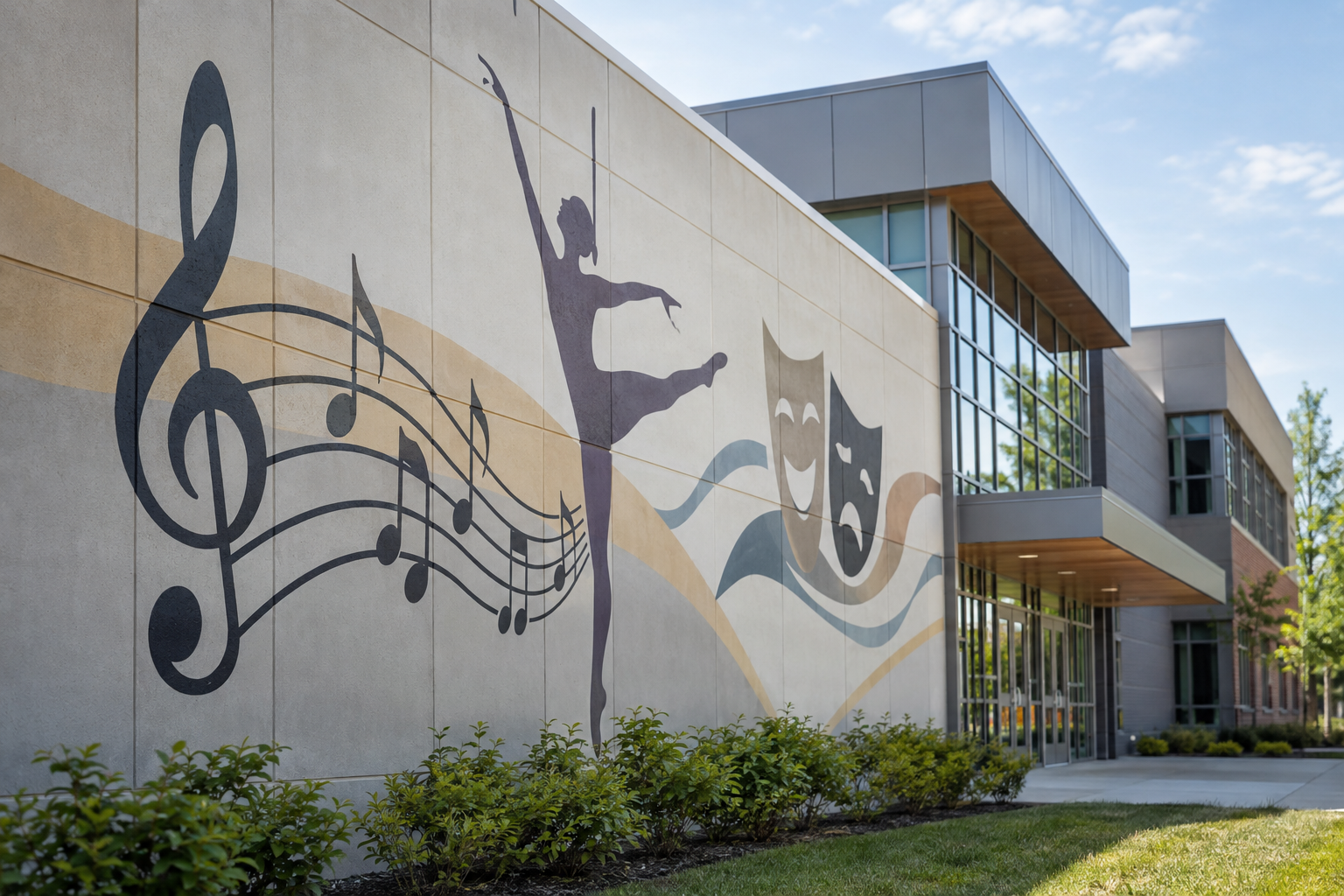
Detroit Public Schools has broken ground on the Southwest International Academy of Arts and Culture, with the district describing an educational approach that places exposure to the arts alongside core classroom subjects. The project brings an arts-and-culture identity to the academy’s name, while the district’s explanation of its programme centres on what students will encounter in addition to their core content classes.
The groundbreaking marks a development in the academy project, but the supplied excerpt does not establish its financial or physical scale. No construction cost, enrolment capacity, building dimensions or opening date is specified in the excerpt, which is dated October 19, 2026. Those omissions limit any assessment of the size of the undertaking based on this material. The clearest detail concerns its educational direction: students are to receive exposure to music, dance and theater as well as their core coursework.
“In addition to their core content classes, we're providing them with exposure to the arts, such as music, dance, theater, etc.,” said Machion Jackson, DPSCD Deputy Superintendent of Operations. Jackson’s description identifies the relationship between the academy’s academic and artistic elements without setting out a detailed curriculum. Core classes remain part of the stated approach; the arts are presented as an addition to them, rather than as a replacement for those subjects.
Read more: Trump plans NIH women’s health research division after Melania Trump’s push
That distinction is important to understanding what the district has announced. The academy is not described in the supplied excerpt as an arts-only institution, nor does Jackson’s statement establish that students will specialise in a particular discipline. The emphasis is on exposure. That wording supports an expectation that students will encounter artistic subjects, but it does not establish the depth of instruction, the amount of class time devoted to them or the level of proficiency the programme will seek.
Music, dance and theater give the district’s description more substance than the academy’s name alone. They identify examples of the artistic activity envisaged for students, rather than leaving the arts component wholly undefined. At the same time, Jackson introduces them as examples, not as a complete course list. The information provided therefore does not support treating those disciplines as the academy’s only artistic offerings, or adding other subjects to the announced programme.
The words “International” and “Culture” are also part of the academy’s name, although the supplied excerpt does not explain how either will be reflected in teaching. It provides no details about language instruction, international partnerships or a separate cultural curriculum. For now, the name establishes the institution’s stated identity, while Jackson’s comments offer the more concrete account of its educational approach. A fuller description would be needed to connect that identity to specific courses or activities.
Read more: Lula and Flavio Bolsonaro trade personal attacks in first runoff debate
The absence of project figures in the excerpt also leaves important questions about delivery unresolved. Without a stated budget or capacity, there is no basis in the supplied information for comparing the academy’s scale with other district projects. Nor can the groundbreaking be used to establish how many students will have access to the arts provision. The event confirms that the project has reached a groundbreaking milestone, but it does not by itself answer questions about its eventual reach or resources.
Jackson’s remarks provide the district’s explanation for the arts component, but the supplied excerpt contains no competing assessment from students, families, teachers or other officials. It would therefore be premature to characterise the project as either broadly supported or contested on that basis. The excerpt also supplies no evidence about demand for places or preferences among the artistic disciplines mentioned. The position that can be reported is the district’s stated intention to provide arts exposure alongside core learning.
What comes next is not set out in a timetable within the supplied excerpt. There are no specified dates for construction completion, admissions or the start of classes, and no details of staffing or teaching spaces in that material. Those are distinct from the educational direction Jackson describes. Further information on them would make it possible to assess how the described combination of core content and artistic exposure will be organised for students at the academy.
For now, the groundbreaking and the district’s description establish a limited but clear picture: the Southwest International Academy of Arts and Culture is moving forward with an approach that includes both core classes and exposure to artistic disciplines. Music, dance and theater are the examples identified by Jackson. The scope, schedule and practical arrangements remain unspecified in the supplied excerpt, leaving the academy’s educational emphasis clearer than the details of how it will be delivered.