World · World
Trump pauses Russia sanctions, drawing bipartisan criticism
The suspended law would allow tariffs of up to 100 percent on goods from countries buying Russian oil and gas or helping Moscow evade sanctions, while Zelenskyy says the pause rewards Putin.
By Ilan Corven · 4 min read
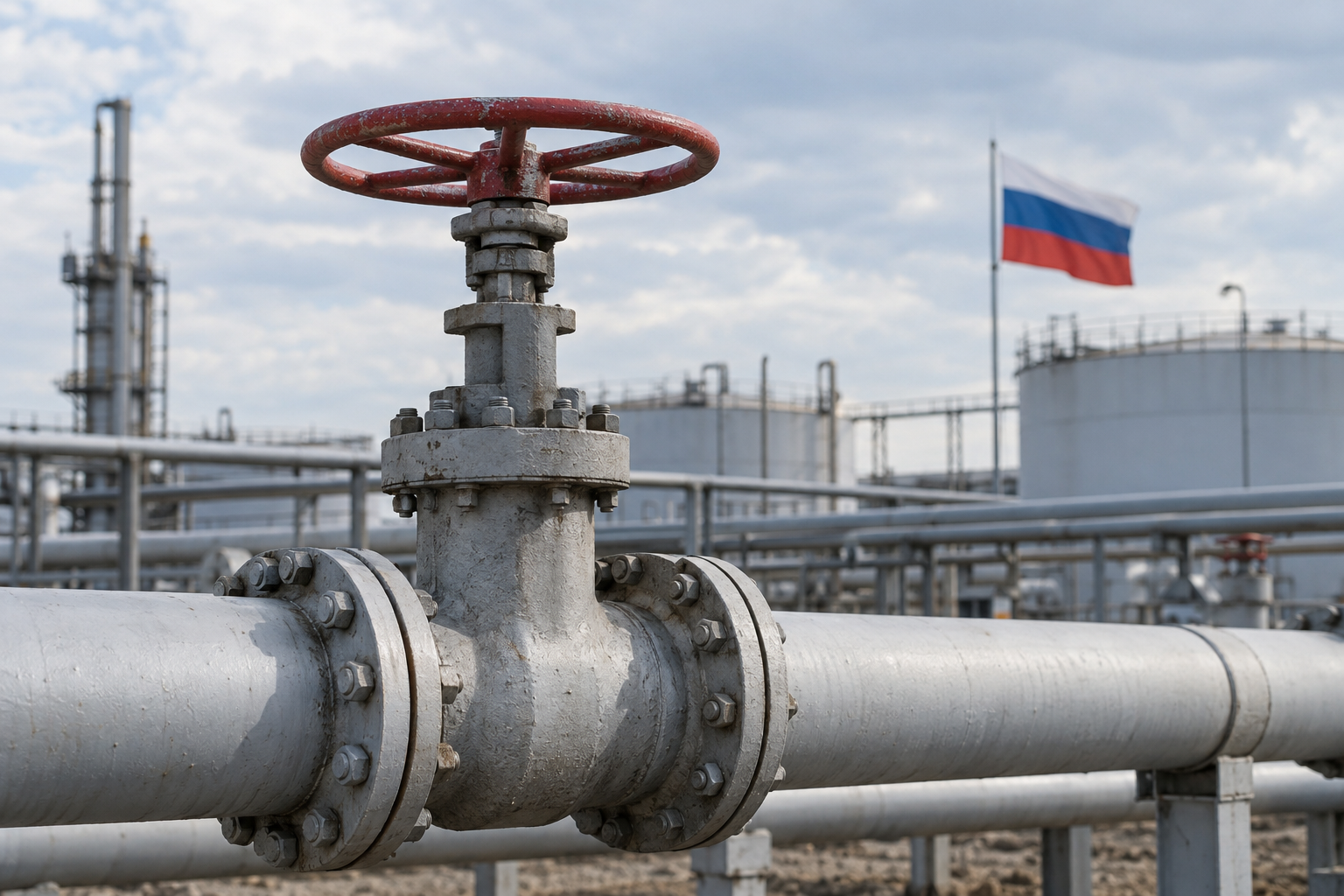
US President Donald Trump has suspended a new package of sanctions and tariffs against Russia shortly before it was due to take effect, drawing bipartisan criticism and a warning from Ukrainian President Volodymyr Zelenskyy that the decision rewards Vladimir Putin. Trump acted by executive order on Friday, October 16, telling Congress that the suspension served the national interest of the United States. The decision puts on hold measures he signed into law in September to increase pressure on the Kremlin and Russia’s economy.
The legislation passed with overwhelming bipartisan support and would allow tariffs of up to 100 percent on goods from countries continuing to buy Russian oil and gas or helping Moscow evade sanctions. Its reach extended beyond trade penalties to Russian financial institutions, the energy sector and the shadow fleet of oil tankers. The suspension therefore affects a package designed to put pressure both on Russia itself and on the commercial relationships that sustain its energy business, rather than a narrowly targeted restriction.
The Lindsey O. Graham Sanctioning Russia and Iran Act of 2026 was named in honour of the late US senator Lindsey Graham, who championed the measures. Alongside major banks and shadow-fleet vessels, its targets included government and military officials. It also provided for punitive tariffs on Russian goods. Trump’s decision leaves a gap between the pressure endorsed by Congress and the measures his administration is prepared to bring into force, despite his earlier approval of the law.
Read more: Delegates walk out on Russian official; IMFC chair cites resilience
The tariff provisions are particularly significant because they would extend the consequences of Russian energy purchases to countries outside the conflict. China and India were among the major buyers of Russian oil identified as potential targets. The legislation authorised duties up to the stated ceiling; that does not mean every affected shipment or country would necessarily face the maximum rate. The distinction matters in assessing the package: it offered authority for substantial trade penalties, rather than establishing that all such penalties had already been imposed.
Trump’s stated justification frames the pause as a decision about US national interests. Critics from both parties, however, have challenged the waiver of legislation that commanded broad congressional backing. Zelenskyy’s objection focuses on what Moscow gains when threatened economic penalties are withheld. Those competing positions frame the dispute: Trump says the suspension serves US interests, while Zelenskyy says it rewards Putin.
The suspension follows Trump’s announcement earlier this month of an agreement with Putin intended to bring substantial quantities of Russian diesel to international markets and lower fuel prices ahead of the US midterm elections. These were announced supply commitments, not confirmation that the fuel had reached buyers.
Read more: U.S. Coast Guard rescues 16 after boat sinks off Baja California
That qualification is important to the announcement: the additional supply was expressly conditional. The figures explain the scale of the energy arrangement Trump presented, but do not establish how much fuel has been delivered or how prices have responded. His announcement linked the arrangement to lower fuel costs, while leaving that intended outcome distinct from any demonstrated market effect.
For Zelenskyy, the diesel agreement raises a broader concern about the durability of restrictions on Moscow. Speaking to journalists in Brussels on Friday, he said Ukraine could not accept diesel arrangements because gas agreements would follow. He warned that sanctions relief could then spread to the banking system, designated individuals and the chemical industry. He also raised risks involving frozen assets. His argument was about the potential progression of concessions, rather than a claim that restrictions across all those areas had already been lifted.
The Ukrainian president’s response places the sanctions pause within a wider disagreement over how to deal with Russia. Trump has become increasingly critical of Zelenskyy, and the decision comes before the November midterm elections. Asked on Friday whether he saw himself as a scapegoat for Trump’s own difficulties ahead of that vote, Zelenskyy responded with a strained smile and indicated that his expression was his answer. He also defended his diplomatic opposition to the energy arrangements as necessary to protect Ukraine’s interests.
The latest dispute follows earlier direct contact between the American and Russian presidents. Trump and Putin shook hands at Joint Base Elmendorf-Richardson in Anchorage, Alaska, on August 15, 2025. The diesel announcement and the sanctions suspension now bring their dealings into tension with the economic pressure Congress sought to authorise. The available details establish Trump’s announced energy arrangement and his decision to pause the package, but do not establish that suspending the sanctions was a condition of the diesel agreement.
The scope of the suspended law extends beyond fuel supplies. Restrictions on officials, banks, the energy sector and tanker operations address different parts of Russia’s government and economy. Tariffs on goods from energy-buying countries would add another channel of pressure. By suspending the package before implementation, Trump has postponed that combined approach. The immediate policy change is the withholding of new measures, not an established removal of every existing restriction on Russia.
The administration is separately defending its position in a dispute over presidential records. It says papers created in the White House belong to Trump rather than to the American people. An appeals court is to consider the issue, and the case could ultimately reach the Supreme Court. That legal proceeding is distinct from the Russia sanctions decision; it does not establish a legal challenge to the executive order or determine the scope of Trump’s authority to suspend this package.
Whether the administration keeps the sanctions on hold or allows the measures Trump signed to take effect remains an open question. The announced diesel schedule also makes November a point of attention, although the supply commitments remain separate from verified deliveries. Congress’s bipartisan support for the legislation and the criticism of the waiver leave the administration facing objections at home as well as from Ukraine. Zelenskyy, meanwhile, has made clear that his concerns extend beyond diesel to further possible concessions affecting Russian energy, finance and frozen assets.