Japan · Business
Ueda says further rise in underlying inflation above 2% is unacceptable
The Bank of Japan governor’s warning puts inflation risks at the centre of a debate over the timing of further interest-rate increases, as the IMF forecasts 0.7% growth for Japan in 2026.
By Tobin Ellmere · 3 min read
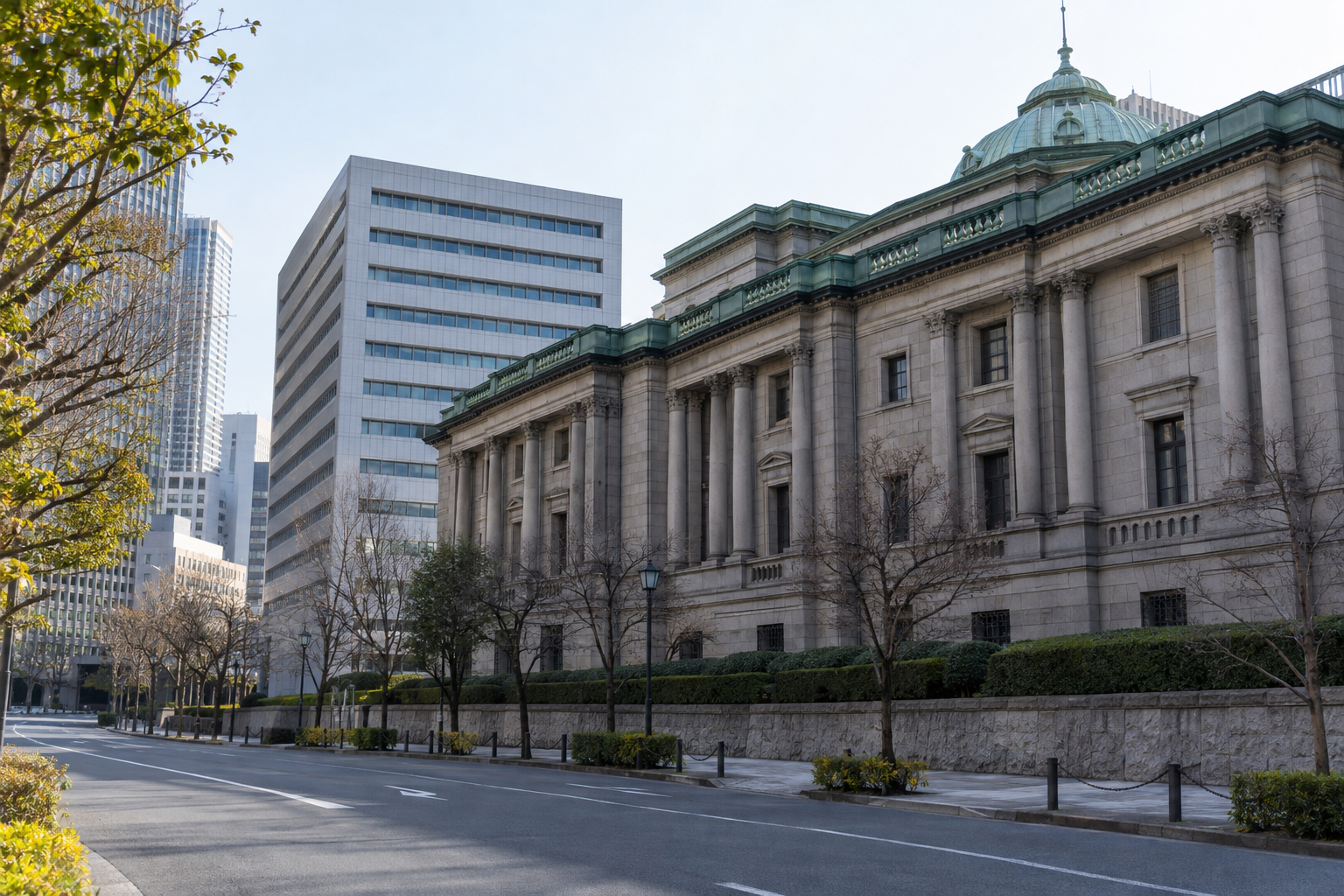
Bank of Japan Governor Kazuo Ueda has said he would not accept underlying inflation moving further above 2%, signalling concern about additional price pressure as officials weigh the timing of further interest-rate increases. His warning sharpens the distinction between the bank’s tolerance for inflation and its willingness to raise rates at consecutive meetings. The remarks do not, by themselves, establish whether the central bank will increase borrowing costs again in October.
The key figures frame a policy debate involving both prices and growth: Ueda’s warning concerns underlying inflation moving further above 2%, while the International Monetary Fund has raised its forecast for Japan’s economic growth in 2026 to 0.7%. Neither figure settles the question of the next rate decision. The inflation threshold describes the governor’s concern, rather than a newly disclosed inflation reading, while the growth projection provides context for assessing the economy alongside the risks from prices.
The governor’s position sits alongside a more restrained assessment of the immediate need for another increase. BOJ officials were described on October 13 as seeing little need for consecutive rate rises unless there were indications that risks of higher inflation would intensify suddenly. That assessment makes the inflation outlook central to the timing debate. It also leaves room for a different decision if officials judge that the risks have changed, rather than committing the bank to a fixed interval between increases.
Board member Koeda has offered a caution against being excessively hesitant about raising rates. Asked about the possibility of an October increase, however, she reiterated that she had no particular pace of tightening in mind. Her remarks distinguish support for further rate increases from support for a predetermined timetable. They also show why concern about inflation need not translate into an explicit commitment to act at the next opportunity: the pace remains a separate question for policymakers.
Taken together, the remarks point to differing emphasis rather than a clearly established disagreement over the next decision. Ueda has drawn attention to the limits of acceptable inflation, Koeda has warned about excessive caution, and officials have expressed reservations about consecutive increases without a sudden strengthening of inflation risks. The central issue is therefore not simply whether higher rates remain possible, but what evidence would justify another move soon. No specific schedule follows from those positions alone.
Fiscal policy is another part of the economic backdrop. Rahul Anand, the IMF’s assistant director and mission chief for Japan, welcomed Japan’s plan for a temporary tax cut, describing the approach as “a very welcome step.” That endorsement concerns the tax proposal, not the timing of BOJ action. Alongside the IMF’s higher growth forecast, it adds a separate assessment of Japan’s policy direction, without resolving how the central bank should respond to the inflation risks highlighted by Ueda.
Read more: Nikkei falls 0.85% as Asia-Pacific markets open lower
Currency policy also remains in focus. Japan’s finance minister warned speculators that the country was ready to intervene in the foreign-exchange market again if needed. The warning sets out a willingness to use a different policy instrument from interest rates. It should not be read as an announcement that intervention will occur or as a commitment by the BOJ to raise rates. Both questions remain conditional in the statements available, with no specific intervention date given.
Separately, Japan and South Korea have agreed to extend their $10 billion currency-swap arrangement. The agreement had been scheduled to expire at the end of November and is expected to continue through November 2029 without a change in size. The extension concerns the duration of the arrangement rather than an expansion of its financial scale. It adds to the currency-policy backdrop but does not establish either the direction of Japan’s exchange rate or the timing of its next interest-rate decision.
The wider international setting includes rising US government interest costs. Net interest expenditure for the year through September reached $1. Those figures concern the US fiscal position, not Japan’s inflation or the BOJ’s policy rate, and do not establish a reason for an October increase. They nevertheless provide a broader financial backdrop to Japan’s debate over borrowing costs, alongside the domestic growth forecast and the governor’s warning about prices.
Attention now turns to whether the BOJ judges that inflation risks warrant another increase in October. The officials’ earlier assessment placed particular weight on the absence of a sudden intensification of those risks, while Ueda’s warning underscores his opposition to underlying inflation moving further above 2%. The next decision will show how those positions translate into policy. For now, the available remarks indicate vigilance over inflation but leave the pace of further rate increases unresolved.