Literature · Culture
Anne Carson wins 2026 Nobel Prize in Literature
The Canadian poet, essayist and translator was recognised for work that draws on classical literature while crossing the boundaries between poetry and prose.
By Oren Valcett · 3 min read
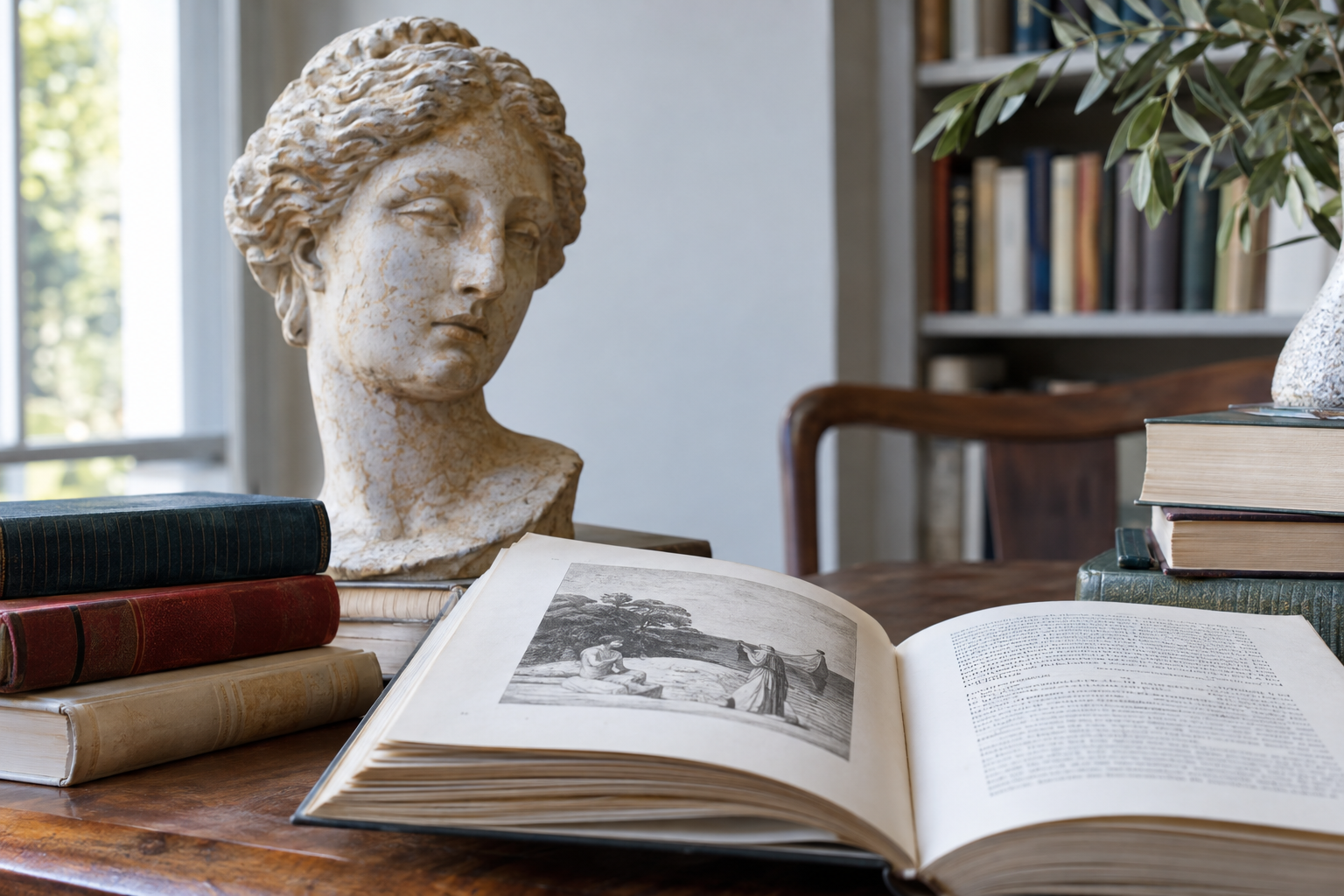
Anne Carson, the Canadian poet, essayist and translator whose writing brings ancient myth into contact with contemporary stories, has won the 2026 Nobel Prize in Literature. Announcing the award on October 8, the Swedish Academy recognised a body of work distinguished by formal experimentation and engagement with classical literature. Carson, 76, is known for a hybrid style that combines poetry and prose.
The award makes Carson the 19th woman to receive the literature Nobel. The prize has now been awarded 119 times to 123 laureates, with four awards shared by multiple recipients. This year, each Nobel prize carries 12 million Swedish kronor (€1.07 million), alongside an 18-carat gold medal and a diploma. Those figures place Carson’s individual recognition within the longer record of an award whose list of recipients remains predominantly male, despite recent honours for several women.
The Nobel committee’s citation focused on the relationship between invention and inheritance in Carson’s writing. It praised her “bold and inventive oeuvre that, in playful dialogue with the classical tradition, has created new forms for contemporary literature.” The emphasis links her engagement with antiquity to what she does with it: dialogue with the classical tradition becomes part of the process through which she develops contemporary literary forms.
Read more: Trump’s reported reluctance raises questions over future US support for Ukraine
The Academy’s accompanying account offered a more detailed explanation of that process, locating almost all of Carson’s literary production where close attention to language meets the search for fresh meaning. It described an intersection between the philologist’s obsession with words and the poet’s desire for new meaning. According to the Academy, Carson herself has identified the origins and histories of words as the point from which all her work begins. Language is therefore central both to her method and to the Academy’s assessment.
That account provides a way to understand the hybrid style for which Carson is known. Her combination of poetry with prose runs alongside another crossing of boundaries, between contemporary narratives and ancient myth. The citation connects engagement with the classical tradition to formal invention: the encounter with older literature accompanies an effort to make something new. Carson’s work encompasses poetry, essays and translation, while the citation recognises her broader oeuvre.
Carson had been among the bookmakers’ favourites before the announcement. That pre-award standing offers a different perspective from the Academy’s explanation, although it does not establish why she was chosen. Betting expectations concerned the likely outcome; the committee’s stated grounds concerned the character of her writing. The distinction matters in reading the result: the award went to an anticipated contender, but the published citation placed its emphasis on literary invention and the continuing possibilities of the classical tradition.
Read more: Zillow reports sharp fall in pending home sales as rents hold firm
Her place as the 19th female laureate also gives the announcement a broader context. Recent women to receive the prize include Han Kang in 2024 and Annie Ernaux in 2022. Those awards, together with Carson’s, sit within a cumulative record of 123 recipients. The totals describe representation across the prize’s history, while the individual years identify recent examples; they do not change the explicitly literary grounds the committee gave for honouring Carson or provide a separate explanation for its decision.
Carson succeeds the Hungarian author László Krasznahorkai, who won the 2025 award. His citation linked an apocalyptic vision with an affirmation of art’s power, whereas Carson’s centres on formal innovation through engagement with classical literature. The contrast is between the emphases of the two published assessments, rather than evidence of a declared change in the Academy’s approach. In Carson’s case, the committee made the relationship between established literary traditions and new writing the organising idea of its recognition.
The literature announcement was the fourth in this year’s Nobel sequence, following the awards in medicine, physics and chemistry. Its place in that schedule puts Carson’s recognition within a week of announcements spanning literary and scientific work, with peace and economics still to follow. The financial award is part of the common package specified for this year’s prizes; the committee’s explanation of the literature decision, by contrast, was particular to Carson’s approach to words, forms and classical material.
The next announcement will name the Nobel Peace Prize winner on Friday. The sequence concludes on Monday with the Sveriges Riksbank Prize in Economic Sciences. Nobel award ceremonies take place on 10 December, marking the anniversary of Alfred Nobel’s death in 1896. For Carson, the announcement precedes that ceremonial stage with the Academy’s judgment already set out: her work has renewed literary form by bringing the resources of classical tradition into contemporary writing.