US equities · Markets
Bloom Energy shares fall 11.24% as cash concerns overshadow record third-quarter revenue
Bloom Energy reported record third-quarter revenue, up 138% from a year earlier, but negative free cash flow of $181 million and heavier expansion spending weighed on its shares.
By Sera Wyclen · 3 min read
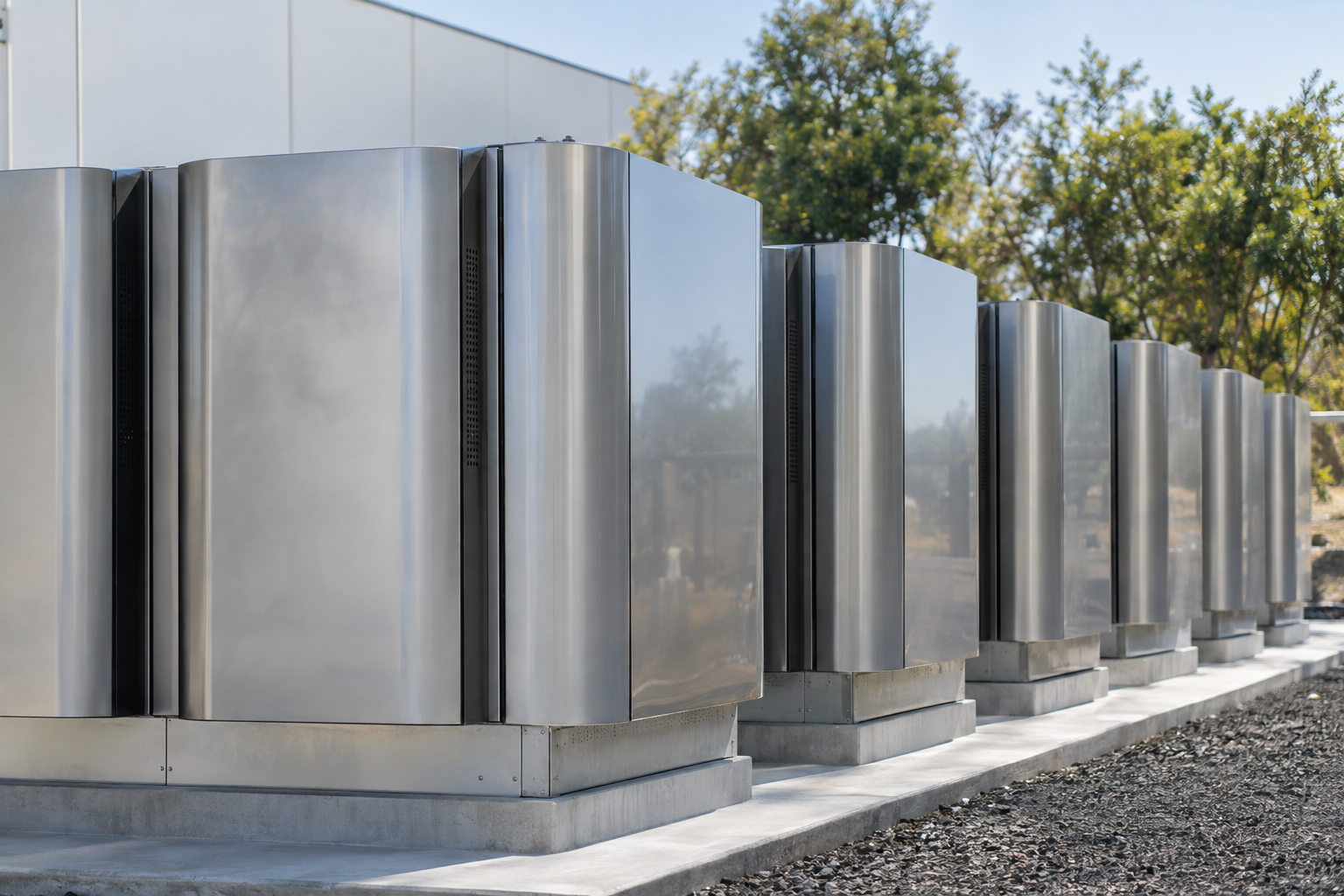
Bloom Energy shares fell sharply on October 23, 2026, as concerns about cash generation and the cost of expansion outweighed record third-quarter revenue and an improved outlook. The solid-oxide fuel cell systems provider closed at $193.30, down 11. The sell-off highlighted the tension between enthusiasm for power suppliers serving data centres and scrutiny of the spending required to support their growth.
The company reported third-quarter revenue growth of 138% from a year earlier, alongside negative free cash flow of $181 million. Operating cash flow was also negative. Those figures left investors weighing rapid sales expansion against continued cash consumption, even after earnings exceeded expectations and the company raised its outlook.9 million shares, underscoring the intensity of the market reaction to the results.
The decline came during a weaker session for US equities, although Bloom’s losses were substantially steeper than the broader market’s. The Nasdaq Composite fell 0. Among companies supplying stationary fuel cells and distributed on-site power systems to commercial and data-centre customers, Plug Power finished unchanged at $1. FuelCell Energy declined 4.06% to $11.11. That mixed performance among related businesses provides context for Bloom’s slide: the sector did not experience a uniform retreat on the day.
Read more: Dow falls more than 600 points as oil prices rise
Bloom’s position in the market for data-centre power has been central to the growth case for its shares. Its solid-oxide fuel cell systems offer a way to meet those customers’ electricity needs, giving the company exposure to continued data-centre development. The third-quarter sales increase demonstrated the scale of its recent expansion. But the reaction to the results suggests that strong revenue growth alone was insufficient to sustain investor enthusiasm when accompanied by negative cash flow and heavier spending requirements.
The distinction between sales and cash generation is important to interpreting the quarter. A record revenue result measures business activity, but does not by itself establish that the company is generating cash from operations. Bloom reported negative operating cash flow as well as negative free cash flow, making cash consumption a separate issue from the pace of sales growth. The $181 million free-cash-flow deficit therefore gave investors a reason to look beyond the headline revenue performance when assessing the results.
Expansion spending adds another consideration. Investment to support growth can be consistent with a strong business opportunity, while still placing pressure on near-term finances. For Bloom, the combination of heavier expansion expenditure and negative cash flow complicates the picture presented by record third-quarter sales. The question raised by the quarter is not simply whether revenue can continue rising, but whether the company can support that expansion while improving cash generation. The reported sales increase does not, on its own, resolve that question.
Read more: U.S. reduces embassy staffing as warnings of Iranian threats intensify
The stock’s earlier gains also help explain why an earnings beat and higher outlook failed to prevent selling. Even after the decline, Bloom shares remained up more than 122% this year. The company went public in 2018, and its shares have gained 672% since the listing. With substantial appreciation already recorded, some investors chose to realise profits rather than maintain their exposure through a period of heavier spending. The results arrived against that backdrop of elevated expectations, not an absence of growth.
For investors focused on the longer-term opportunity, the counterargument rests on continued demand for data-centre power. Revenue growth of 138% offers evidence of strong recent momentum, and the improved outlook provides a further positive consideration. The shares are now 44% below their recent high, potentially making the entry price more attractive to those who expect the data-centre build-out to continue. That decline, however, does not remove the cash-flow concerns that contributed to the latest selling.
The competing interpretations centre on how much weight to give current cash consumption relative to future growth. Investors willing to accept near-term spending can point to record third-quarter revenue and Bloom’s exposure to data-centre electricity demand. More cautious investors can focus on the free-cash-flow deficit and the financial demands of expansion. The sharp share-price decline shows which concern dominated this session, without establishing whether the quarter’s cash performance will persist or improve as the business develops.
Attention now turns to whether Bloom can translate its sales momentum and raised outlook into stronger cash performance. Further results will provide a clearer basis for judging that balance, particularly as expansion spending remains a concern. For now, the market has separated the company’s revenue achievement from its ability to generate cash: record third-quarter sales supported the growth case, but did not prevent a sharp reassessment of the shares.