Markets · Markets
Brent briefly falls below $90 as hopes grow for end to Iran war
The oil benchmark traded below $90 a barrel for the first time since August as Trump signalled progress towards ending the conflict, while stronger-than-expected core inflation put interest rates in focus.
By Sera Wyclen · 3 min read
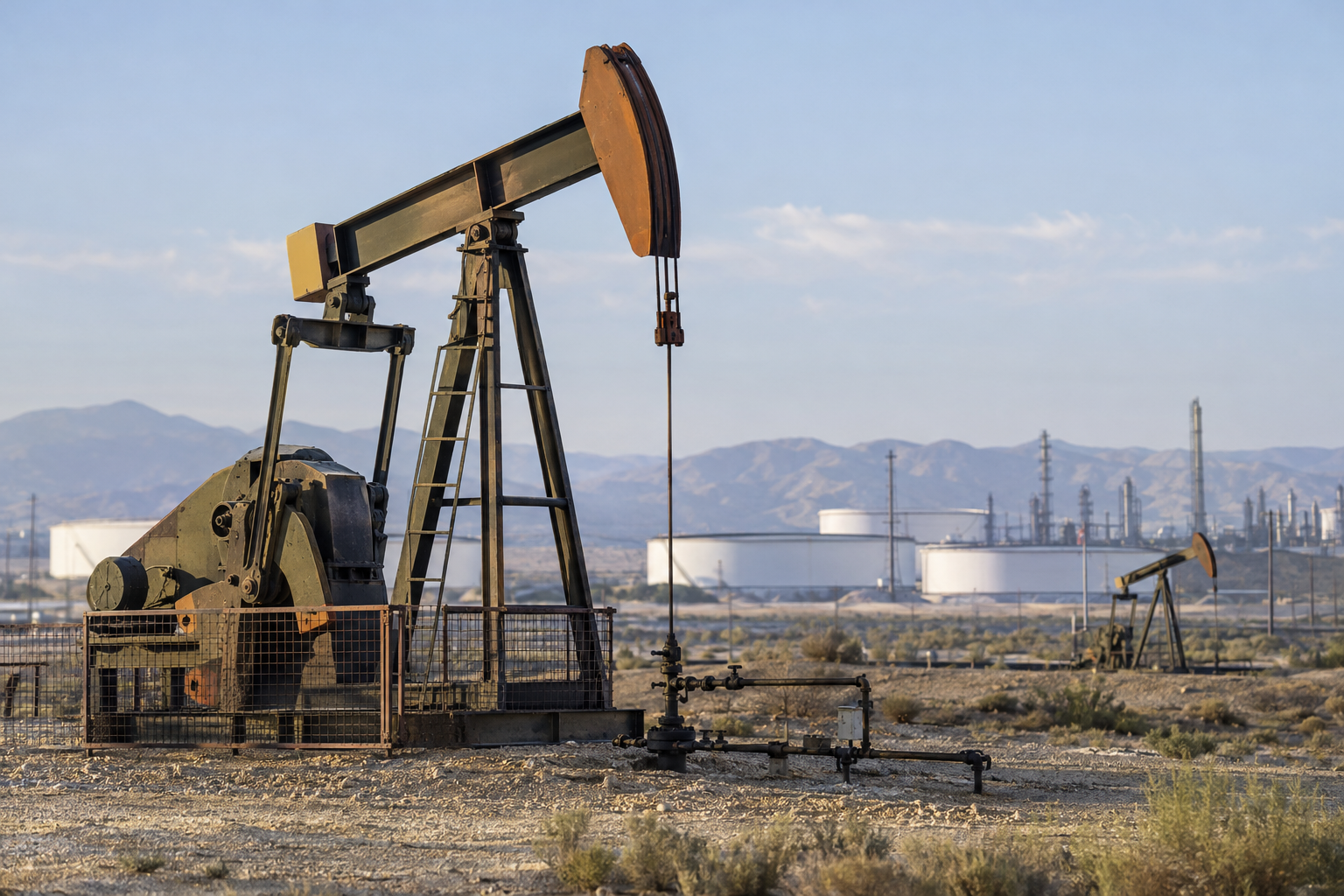
Brent crude briefly traded below $90 a barrel for the first time since August as hopes for progress towards ending the war with Iran eased pressure on oil prices. Trump said on Monday that the conflict could conclude soon, offering an optimistic assessment of exchanges with Tehran. The decline came alongside a contrasting development in government bonds, where the 10-year Treasury yield jumped amid stronger-than-expected core inflation and comments from Waller about a possible larger interest-rate increase.
The oil move took Brent below $90 for the first time since August, although the reported brief dip does not establish a closing price below that threshold. In the inflation figures, core consumer prices rose 0.3%, exceeding economists’ expectation of a 0.2% monthly increase and matching September’s 0.3% rise. Together, the developments presented markets with distinct signals: greater optimism about the course of the Iran conflict, but less reassurance from a closely watched measure that excludes food and energy prices.
Trump made his remarks at the White House after meeting Qatar’s prime minister, Sheikh Mohammed bin Abdulrahman Al Thani. He described the conflict as moving towards a conclusion and said it could end “fairly soon”. He also characterised Tehran as “talking very politely” with Washington. Those comments supplied the diplomatic backdrop to Brent’s decline, linking the prospect of an end to the fighting with the easing in oil prices.
Read more: S&P 500 closes down 0.38% as Nvidia selling and inflation weigh
The distinction between an optimistic assessment and a definite outcome remains important in interpreting that move. Trump’s description suggested progress, but the phrase “fairly soon” did not specify when the war would end. His remarks also included an assertion that Iran was effectively finished militarily. That was Trump’s assessment of the conflict, rather than a precise description of the terms on which it might conclude. For oil prices, the significance of the comments therefore lay in hopes about what could happen next, not confirmation that the fighting had ended.
The brief nature of the move below $90 also limits the conclusions that can be drawn from the price threshold alone. It establishes that Brent traded below $90 for the first time since August, but does not establish that the benchmark would remain there. The development is best understood as a response to improving hopes rather than evidence that the conflict’s market consequences have been resolved. Whether the prospect described by Trump translates into further progress towards ending the war remains an open question.
The inflation release offered a different kind of evidence: a monthly reading that was above expectations and unchanged from September’s pace. Core CPI increased 0.3%, rather than the 0.2% economists had anticipated. Because that measure excludes volatile food and energy prices, Brent’s decline does not directly answer the concern raised by the core figure. A lower oil price and a stronger-than-expected core inflation reading can therefore coexist without either cancelling out the information conveyed by the other.
Read more: Treasury yield rises as monthly core CPI gains 0.3% and Waller signals larger hike
Waller’s comments added a policy dimension to the inflation backdrop. Speaking in London at a central bank conference hosted by the Bank of England, he said a 50 basis point policy-rate increase should be considered at the December meeting in the circumstances he described. He warned that an increase of only 25 basis points would put credibility at risk. His formulation left the larger move as something to consider, rather than presenting it as a decision already made.
The jump in the 10-year Treasury yield accompanied the hot inflation reading and Waller’s suggestion of a half-point increase. That move contrasted with the easing in Brent, underscoring the different immediate developments associated with the two markets’ moves. In oil, attention centred on whether the war might be approaching an end. In Treasuries, the focus was on inflation and the possible scale of the policy response. The oil decline alone offered no basis for assuming a parallel easing in interest-rate expectations.
The competing interpretations are therefore not simply bullish or bearish across markets. Trump’s account supports a more optimistic view of the conflict’s direction, while its lack of a definite timetable leaves the timing open. The inflation figures, meanwhile, support caution about treating cheaper crude as sufficient reassurance on underlying price pressures. Waller’s remarks add a policy consideration to that caution: his stated concern was not just the size of a possible increase, but the credibility implications of choosing the smaller move.
The developments leave two separate questions open. For Brent, further progress towards ending the Iran war would give substance to the hopes behind the brief fall below $90 a barrel. For interest rates, the December meeting is the policy point identified in Waller’s remarks, with a 50 basis point increase something he said should be considered in his stated scenario. Until those questions become clearer, the oil threshold and the stronger core CPI reading represent different developments, rather than a single, consistent message about the market outlook.