California · USA
California voters reject proposed 5% billionaire wealth tax, projections show
Proposition 40 would have imposed a one-time levy on around 200 billionaires, with campaigners estimating about $100 billion in proceeds, mostly for public healthcare.
By Mara Vennick · 3 min read
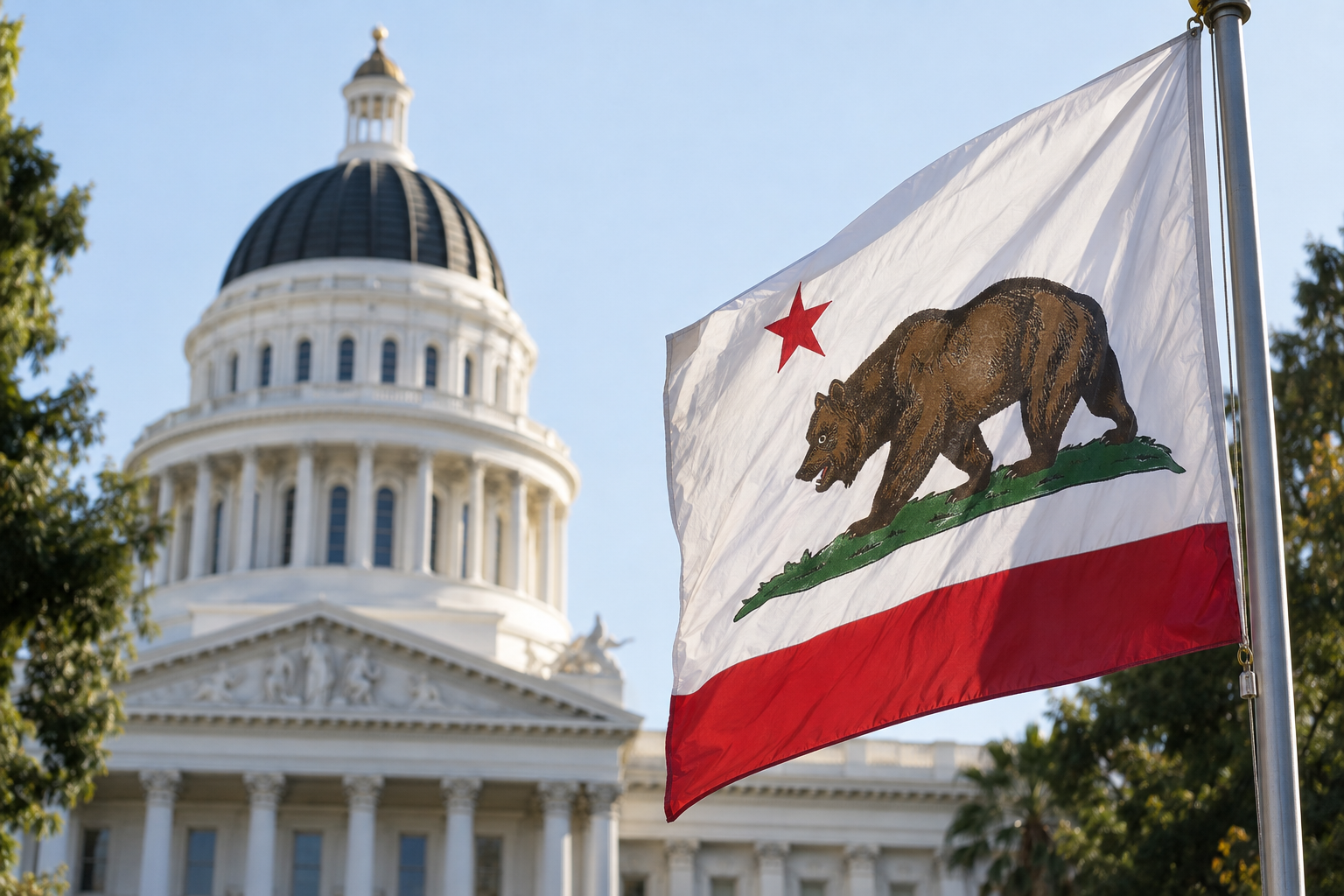
California voters have rejected a proposed one-time tax on billionaires, according to broadcast projections released Monday, defeating a measure intended to direct substantial new funding towards public healthcare. The projected result followed a campaign in which opponents warned that the levy would encourage wealthy residents to leave the state and reduce future tax receipts. For supporters, the ballot offered a prominent opportunity to advance wealth taxation in an economy marked by a vast divide between its richest and poorest residents.
Proposition 40 would have required around 200 of California’s wealthiest residents to pay 5% of their total net worth. Campaigners estimated that the measure would generate about $100 billion, with most of the proceeds going to the state’s public healthcare system. That figure was a campaign estimate of potential revenue, rather than money already collected or committed. The projected defeat would block that proposed source of funding, which was intended to help healthcare services squeezed by President Donald Trump’s budget cuts.
The projections came almost a week after polling day, following an earlier count that had already indicated the proposal was likely to fail. With roughly 60% of ballots counted on Wednesday, opposition stood at 55.6%, against 44.4% in favour. Those figures describe the partial count, not a final statewide tally. California, the most populous US state, is known for a slow vote count; the later projections followed several days in which the measure’s chances had appeared weak.
Read more: Whitmer asks Trump administration to end food tariffs and reimburse Michigan residents
The proposition was among numerous questions put to voters during last week’s midterm elections. Its defeat came alongside sweeping Democratic gains nationally and heavy losses for Trump’s Republicans, making the result distinct from the broader electoral movement. The national outcome did not translate into approval for this particular California tax proposal. Opposition also crossed beyond the measure’s wealthy campaign adversaries: outgoing Governor Gavin Newsom had said he would vote against it, and the incoming governor also sided against the proposal.
California’s economic scale made the contest significant beyond its borders. If it were a country, the state would rank as the world’s fourth-largest economy, giving a vote there particular prominence for campaigners seeking greater taxation of wealth. Supporters viewed Proposition 40 as a test for an international effort to address widening inequality. The proposed levy concentrated that debate on a small group of exceptionally wealthy residents, while linking the money raised to a public service facing pressure from federal budget cuts.
The proposal’s design also shaped the competing arguments. It was a one-off charge on total net worth, rather than a recurring levy, and its 5% rate applied to the wealth of the billionaires covered by the measure. Supporters emphasised the substantial sum they expected it to raise for healthcare. Opponents focused instead on the risk of departures, arguing that the state could lose future tax revenue if wealthy residents responded by moving elsewhere. The campaign therefore pitted claims about one-off proceeds against warnings about future fiscal consequences.
Read more: Key EU leaders skip COP31 summit as their negotiators remain involved
Opponents spent hundreds of millions of dollars campaigning against the proposition, with Google co-founder Sergey Brin among those fighting it. Television advertising for the opposition was widespread in the run-up to the vote and repeatedly presented relocation by billionaires as a risk to California’s finances. That was a warning about a possible response to the tax, not a measure of departures caused by it. The projected result shows the proposal failed, while the campaign’s warnings concerned revenue and behaviour that opponents said could follow its adoption.
Newsom’s opposition gave the rejection camp the support of the outgoing governor as well as wealthy adversaries of the measure. He is widely expected to seek the presidency in 2028, an expectation rather than confirmation of a candidacy. The incoming governor’s position likewise shows that the proposal lacked support across the transition in the state’s leadership. Their stance placed them against advocates who argued that taxing billionaire wealth could provide resources for healthcare while confronting the state’s pronounced economic disparities.
Before the projections were released, Nobel Prize-winning economist Joseph Stiglitz offered supporters a longer-term perspective in a statement sent through the International Capital Tax Commission. He argued that major changes do not necessarily advance steadily and described Proposition 40 as the first US ballot proposal to tax billionaire wealth. California has also rejected wealth-tax proposals on three previous occasions before this decade. That history provides context for the latest setback without making those earlier measures identical to the billionaire-specific proposal Stiglitz described.
For healthcare advocates, the projected defeat would close off the proposed funding route, not resolve the budget pressures it was intended to address. For wealth-tax campaigners, the result is another obstacle to translating concern about inequality into an approved levy. The campaign centred on those underlying questions: how to fund public healthcare and whether taxing concentrated wealth could do so without the revenue losses opponents warned about.