Europe · World
Britain and EU set November 20 summit as Burnham calls relationship inadequate
The prime minister wants the Brussels meeting to advance growth and illegal immigration priorities before a broader discussion of Britain's ties with the bloc.
By Ilan Corven · 3 min read
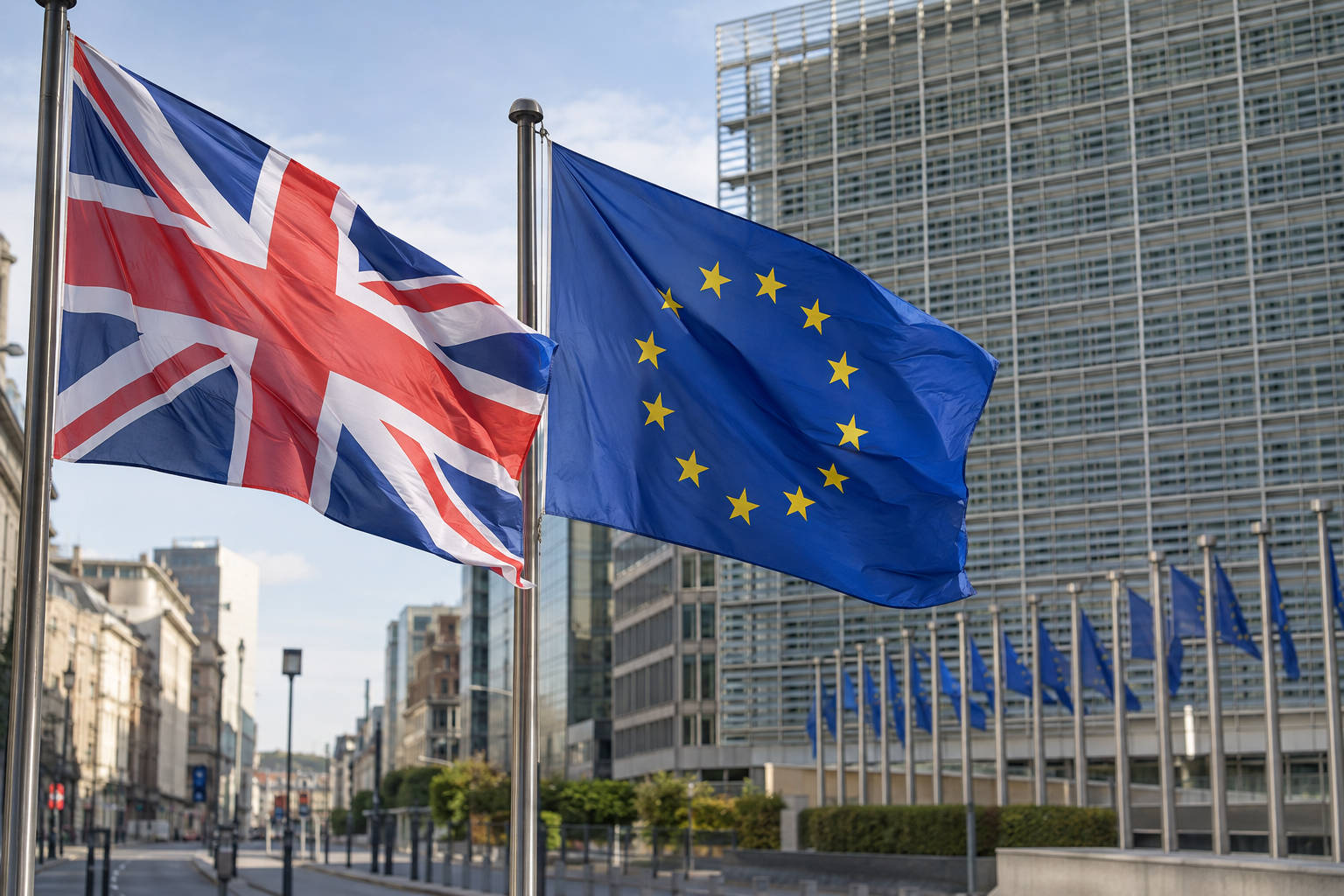
Britain and the European Union will hold a summit in Brussels on November 20, Prime Minister Andy Burnham and European Council chief Antonio Costa announced separately, as the British leader called for a reassessment of relations with the bloc. Addressing MPs on Monday, October 12, 2026, Burnham described the present relationship as inadequate and said the meeting should provide an opening for discussion of its longer-term direction.
The summit brings together immediate policy objectives and questions left by Britain's narrow 2016 vote to leave the EU. Burnham identified growth and illegal immigration as his priorities, but remains bound by Labour's 2024 election manifesto, which excludes a customs union, single-market membership and the restoration of freedom of movement. With a general election not expected until 2029, his proposal raises a question about how far relations can change within those existing political commitments.
Burnham told parliament that the agreement negotiated by the Conservatives after the referendum had failed Britain. He presented a review of the relationship as a responsibility of government rather than an issue that could simply be set aside. His argument was that Britain should assess its interests against the world as it now stands. That amounted to a criticism of the current settlement, alongside a call to discuss different options for the longer term.
Read more: Deadly Houthi attacks hit Riyadh airport as oil rises
The November meeting restores a diplomatic appointment delayed by Labour's change of leadership. The summit had originally been scheduled for the summer, but was postponed after Labour MPs removed Keir Starmer from Downing Street and replaced him with Burnham. In office since July, Burnham will now approach the meeting while also advocating a wider discussion of Britain's options. The confirmed date provides a point around which to organise that effort, without itself settling the scope of any future negotiation.
On the immediate agenda, Burnham said the summit offered a chance to improve UK growth and strengthen control of illegal immigration. He linked both objectives to the opportunity offered by engagement with the EU at the meeting. He described securing a successful summit outcome as his immediate priority, with a serious dialogue about longer-term options to follow.
That distinction matters in assessing what the summit date establishes. It confirms when and where the meeting will take place, not what the two sides will agree. Burnham set out a sequence: seek a successful summit first, then establish a substantive dialogue about the options for the longer-term relationship. The November 20 appointment is therefore a diplomatic milestone, distinct from his proposed subsequent discussion of a future model of relations. His proposal was to examine different options for that relationship.
Read more: Federal agents search Ilhan Omar’s Washington home
The 2024 manifesto remains a central constraint on that broader debate. Its exclusions cover three distinct elements of closer integration: participation in a customs union, return to the single market and renewed freedom of movement with the EU. Burnham's call to examine future options sits alongside those commitments rather than replacing them. The election timetable adds another consideration: while he is not expected to seek a new mandate until 2029, he is proposing discussion of the relationship now.
Opposition parties have accused Burnham of seeking to betray the Brexit vote after he suggested that membership of the bloc could be among the options considered for Britain's future relationship. Their criticism places the referendum result at the centre of the dispute. Burnham's case, by contrast, is that the existing arrangement does not adequately serve the country. The competing positions concern not just possible policy changes but whether reopening the range of options respects or undermines the decision taken in 2016.
Burnham sought to distinguish his proposal from a new referendum, stressing that he was not advocating another vote on EU membership. He also asserted that public opinion supported the pragmatic approach he was outlining and said the public would retain authority over the process. That was his assessment of public sentiment; no polling evidence is provided in the source material. It leaves a distinction between proposing a discussion of membership and committing the government to pursue it.
The next step is the Brussels summit, where Burnham wants practical progress before establishing the broader dialogue he proposed. Costa's separate confirmation establishes agreement on the date; it does not establish a shared position on the British prime minister's longer-term proposals. For Burnham, the task is to pursue his stated growth and illegal immigration objectives while remaining bound by Labour's commitments. The meeting will give engagement with the EU a formal setting, with the future relationship still unresolved.