Memory technology · Technology
Emerging memory and storage market forecast to reach $44.61 billion by 2035
An industry report projects % compound annual growth during - with AI infrastructure and HBM driving demand.
By Arlen Mossett · 3 min read
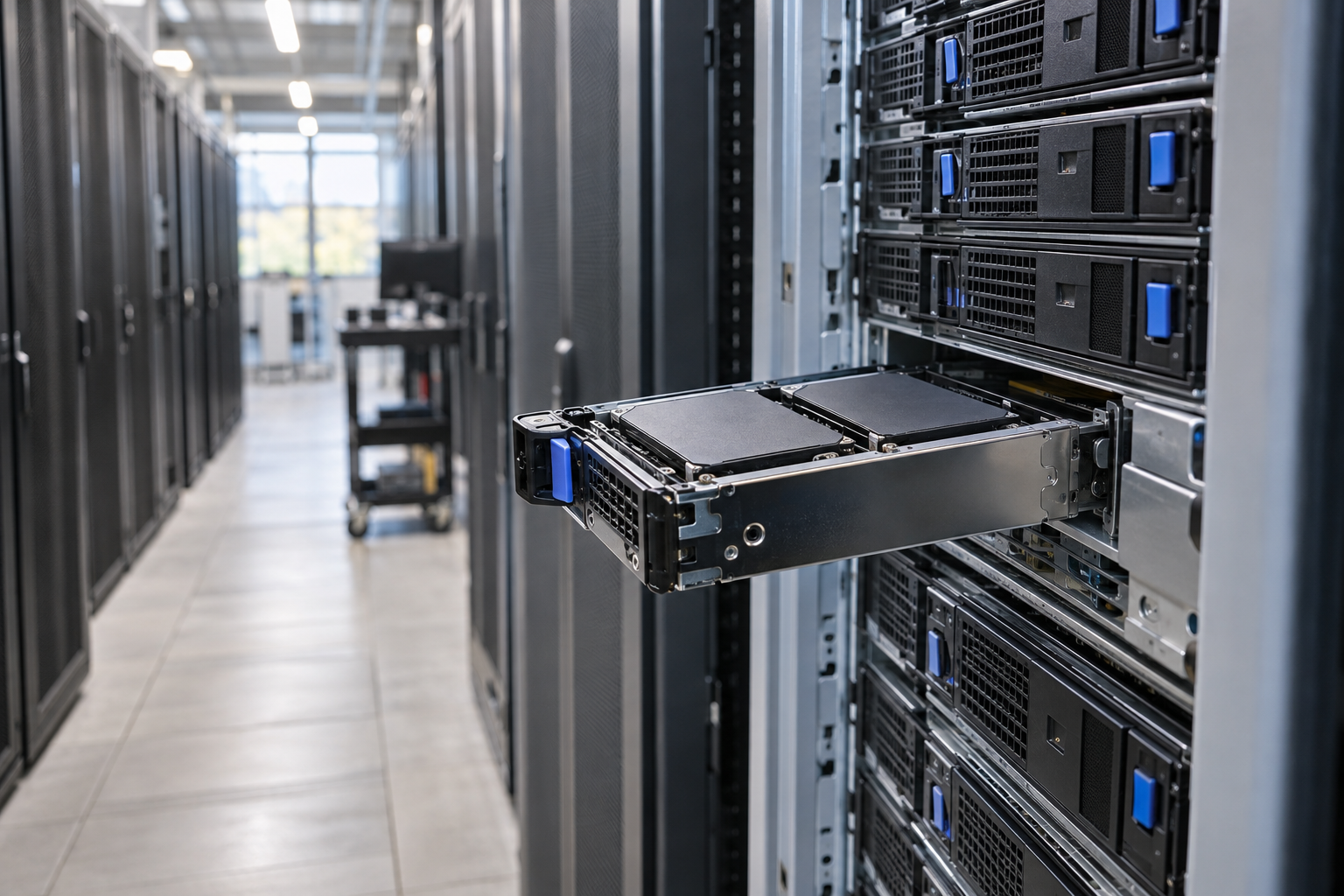
The global market for emerging memory and storage technology is forecast to reach $44. The outlook places HBM and enterprise storage at the centre of the expansion, with enterprise storage projected to grow faster than the overall market and HBM expected to account for most of its value by 2035.
The report, announced on October 16, 2026, puts the market at $5. Those figures describe a forecast for the emerging memory and storage technology market, not the entire storage industry. The distinction matters when interpreting the scale of the projection: the report examines a defined technology market through application, technology, wafer size and regional categories, rather than presenting a single measure of all spending on memory.
AI infrastructure provides the principal context for the outlook. The report identifies adoption of HBM, AI-optimized SSDs, advanced DRAM and next-generation memory architectures as factors making enterprise storage an important source of demand. Its forecast therefore encompasses more than one product category, while giving particular prominence to HBM. The available figures support a view of growth concentrated around that technology, although they do not provide separate projections for every technology identified as contributing to enterprise storage demand.
Read more: Trump pauses Russia sanctions, drawing bipartisan criticism
Enterprise storage is projected to expand from $2.03 billion in 2025 to $21.20%. The comparison is significant because it distinguishes the expected pace of growth in an end-use segment from the broader market forecast, without implying that every enterprise storage technology will expand at the same rate.
The technology breakdown points to continued dominance by volatile memory. The report forecasts that category rising from $5.45 billion in 2025 to $41. Its projected growth rate is close to the market-wide figure, while its forecast value remains close to the overall total. In the report’s assessment, volatile memory is therefore central to the market’s expected scale, not merely one of several equally sized contributors to expansion.
Within volatile memory, HBM is identified as the main driver of growth. The report expects its market value to increase from $5. Those endpoints sit close to the corresponding projections for volatile memory, reinforcing HBM’s importance to the forecast. They also make the outlook particularly dependent on the anticipated expansion of this category: the report does not portray the projected volatile-memory market as being spread evenly among a broad range of technologies.
Read more: U.S. Coast Guard rescues 16 after boat sinks off Baja California
The enterprise storage and volatile-memory figures offer different perspectives on the same wider market. Enterprise storage describes an application segment, while volatile memory is a technology category and HBM sits within it. These distinctions are important when reading the projections together. The figures should not be treated as separate, additional markets to be added to the headline total. Instead, they show where the report expects demand to arise and which technology it expects to account for much of that demand.
The outlook is bullish, but the available report extract does not include an independent counterforecast or a dissenting industry assessment. Nor does it set out alternative growth scenarios against which to judge the headline projection. The distinction between expectation and outcome is therefore essential: $44. Similarly, the compound annual growth rates describe the projected period rather than demonstrating that the market will achieve the same increase in each individual year.
There are also limits to the detail available for assessing how that expansion might unfold. Although the report’s scope includes regional and wafer-size analysis, the extract provides no figures for those categories. It likewise offers no annual sequence between the stated market endpoints. The evidence presented is consequently strongest on the scale and composition of the forecast: enterprise storage is expected to grow faster than the overall market, while volatile memory, led by HBM, is expected to retain its dominant position.
Looking ahead, the report links the projected expansion of emerging memory and storage technologies through 2035 to demand from AI infrastructure. Its own projections identify the developments that would be most relevant to that outlook: enterprise storage adoption across the named technologies and continued expansion in HBM. Whether those expectations are realised will determine how closely the market follows the forecast. For now, the figures establish a concentrated growth thesis, with HBM carrying particular weight in the projected global total.