Europe · World
EU lifts Hungary’s anti-corruption funding curbs, releasing €4.2 billion
The Council of the EU has ended restrictions imposed in 2022 after reforms by Péter Magyar’s government, while access to further funding remains subject to conditions.
By Ilan Corven · 3 min read
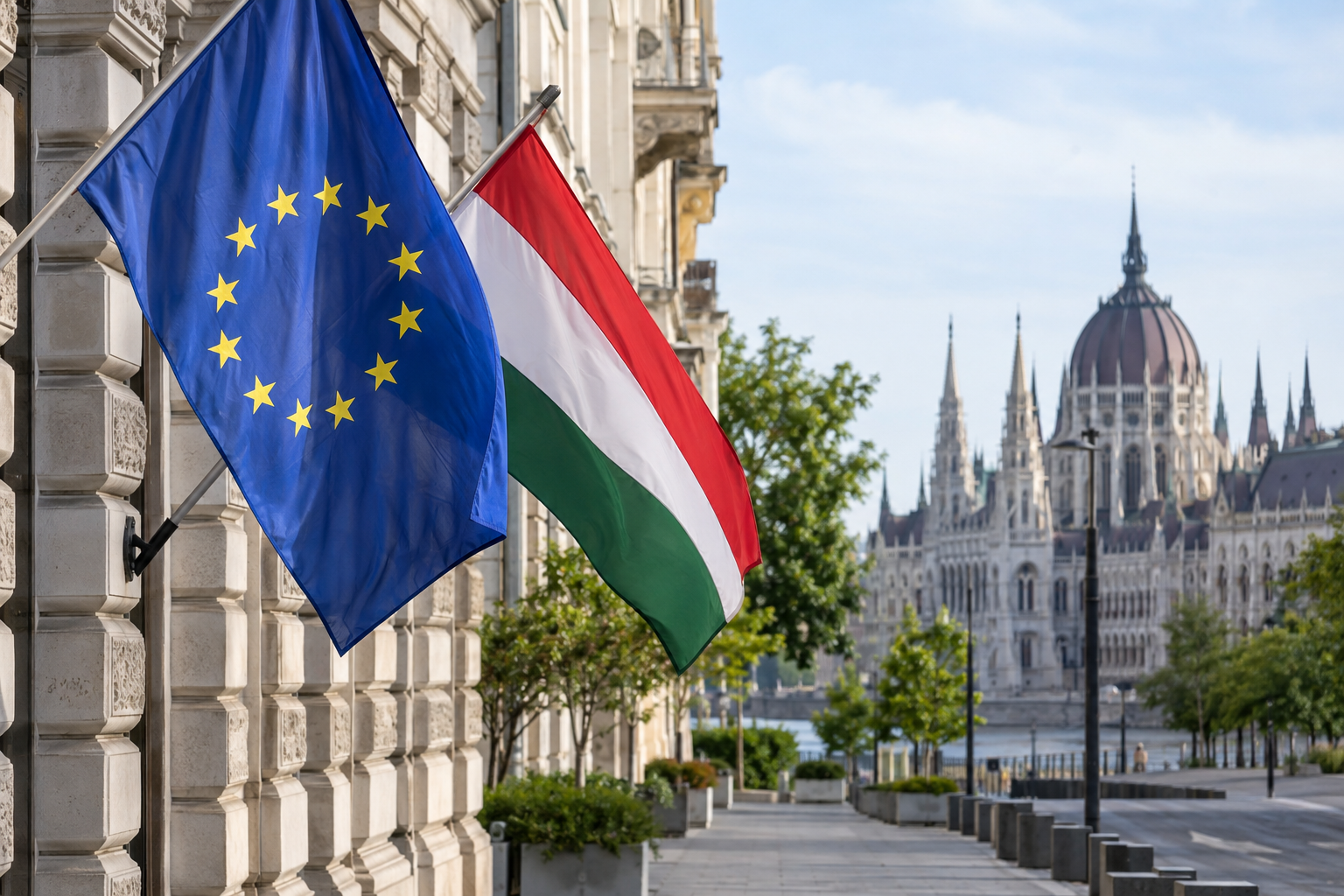
The Council of the EU has ended anti-corruption funding restrictions on Hungary, releasing €4.2 billion after Prime Minister Péter Magyar’s government introduced measures to strengthen transparency and tackle corruption. The decision also restores Hungary’s access to the Erasmus+ student exchange programme and the Horizon Europe research initiative, extending its immediate effects beyond the release of money withheld over concerns about the handling of EU funds.
The funding is part of a broader agreement between Magyar and European Commission President Ursula von der Leyen covering €16.4 billion in previously frozen EU money, tied to reforms and investment plans. Alongside the €4.2 billion now released, Hungary is seeking €10 billion from the EU’s post-pandemic recovery funds, while €2.2 billion is linked to improvements in academic freedom. Those figures describe distinct funding conditions, rather than a single pot made fully available by the Council’s latest decision.
The restrictions originated in 2022, when the EU applied its conditionality mechanism to Hungary under former prime minister Viktor Orbán. The mechanism linked access to EU financing to respect for the rule of law and resulted in the suspension of a substantial amount of funding. Corruption risks were central to that action. Ending the mechanism therefore reverses a specific measure imposed during Orbán’s government, rather than settling every outstanding condition attached to Hungary’s access to EU money.
Read more: Omar seeks donations amid reported federal investigation and home search
The political change behind the decision followed the landslide election victory of Magyar’s centre-right Tisza Party. His government subsequently adopted a series of anti-corruption and transparency measures intended to unlock the funds. The Council’s action follows those reforms, giving the new administration access to funding that had been held back under its predecessor. The broader agreement with von der Leyen also connects the release of money to investment plans, making those plans part of the process alongside institutional reforms.
For students and researchers, the decision concerns access to programmes as well as the headline financial amount. Erasmus+ provides student exchanges, while Horizon Europe is the EU’s research initiative; Hungary can now rejoin both. Their inclusion makes the Council’s action relevant to academic activity as well as government funding. That restored access is nevertheless distinct from the €2.2 billion linked to academic-freedom improvements, which remains a separately identified element of the wider funding agreement.
The €4.2 billion release is thus a concrete development within a larger, conditional settlement. It does not mean that the full €16.4 billion covered by Magyar’s agreement with von der Leyen has become available. The recovery-fund application and the academic-freedom-linked funding remain important to the overall picture. Keeping those categories separate is essential to understanding the announcement: the Council has removed the anti-corruption conditionality restrictions, while the broader process of securing access to previously frozen resources is not yet complete.
Read more: Kimberly Guilfoyle resigns as ambassador to Greece amid ethics scrutiny
Von der Leyen welcomed the development in a social-media message, presenting it as a fresh start for both Hungary and Europe. Her response emphasised the political significance of the change after the funding dispute under Orbán. The practical position is more qualified than that broad welcome alone might suggest, however. The Council’s decision establishes the release of the €4.2 billion and the return to the programmes, but further access still depends on the conditions governing the other funds.
Hungary’s government said at the end of August that it had fulfilled all the conditions required to obtain the funds. That is Budapest’s assessment, not yet a completed determination by the European Commission, which is examining whether the requirements have been met. The distinction separates the government’s claim of compliance from the EU’s verification process. The Commission’s continuing assessment leaves a gap between Hungary’s stated readiness and a final decision on access to the money still under review.
The next stage therefore concerns the outstanding evaluation rather than another announcement that all the frozen funding has been released. A positive Commission assessment could allow Budapest to obtain access to the money by the end of the year, following approval in the autumn. That timetable is conditional: it depends on the review finding that the requirements have been satisfied. Hungary’s statement that it has completed the necessary work does not itself establish the outcome of that review.
For now, the Council’s decision delivers a defined result: €4.2 billion is unfrozen, and Hungary’s participation in Erasmus+ and Horizon Europe can resume. The broader agreement remains the framework for securing further resources, with recovery funding and academic freedom still central to the outstanding conditions. Whether the government can turn its claim of full compliance into access to the remaining money will depend on the Commission’s assessment and the approval process that follows.