U.S. diplomacy · USA
Kimberly Guilfoyle resigns as ambassador to Greece amid ethics scrutiny
Guilfoyle’s resignation follows Trump’s public expression of dissatisfaction over allegations that her lawyers deny, including claims involving gifts, private travel and the use of influence.
By Mara Vennick · 3 min read
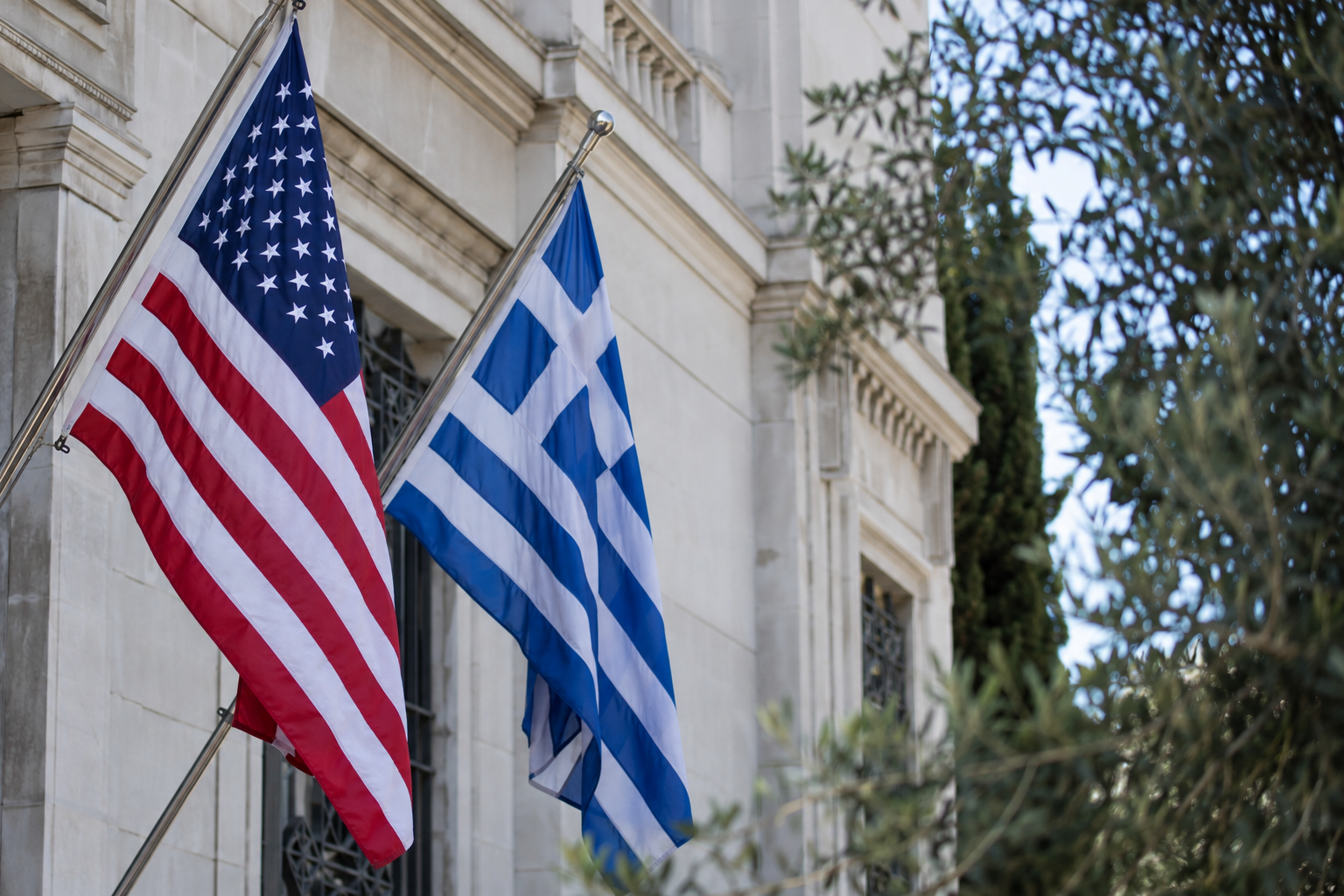
Kimberly Guilfoyle has resigned as U.S. ambassador to Greece amid scrutiny of her conduct, following President Donald Trump’s public acknowledgment that he was considering removing her. Her resignation comes after allegations involving gifts and services, private air travel, a threat against a Greek official and an offer to exercise influence within the administration. Guilfoyle’s lawyers have rejected accusations against her and maintained that she followed State Department procedures governing gifts and travel.
The controversy includes a financial dispute with U.S. businessman and former political candidate Eric Deters. Through her lawyers, Guilfoyle said he owed her around $150,000 (€134,014) for speeches and consultancy services. She also said she had rejected a $1 million (€893,430) proposal from him to promote a personal court case. Those amounts describe her account of a disputed debt and an offer she says she declined; they are not established payments for improper official conduct.
Trump had made his dissatisfaction explicit when reporters at the White House asked on Monday about Guilfoyle’s continued appointment. “We are looking into it. We are not satisfied,” he said. His remarks confirmed that her position was under consideration at the highest level of the administration, beyond the exchanges between her lawyers and her accusers. The resignation follows that public expression of dissatisfaction, although the available information does not establish the precise circumstances under which she decided to leave.
Read more: Omar seeks donations amid reported federal investigation and home search
Before the resignation, a senior U.S. official had said on Sunday that Trump and Secretary of State Marco Rubio were reportedly “extremely outraged” by Guilfoyle’s alleged behaviour. The official indicated that they were likely to determine their next steps within the week, after Monday’s Columbus Day holiday. That account pointed to an impending personnel decision, but it was not an announcement of a completed ethics review. Trump’s own comments similarly expressed concern without setting out findings on any individual allegation.
Guilfoyle brought a political and personal connection to Trump’s circle to the diplomatic post. A former prosecutor and television host, she became a prominent figure in his Make America Great Again movement and was previously engaged to his eldest son, Donald Trump Jr. That background provides context for the political prominence of the dispute. It does not, however, establish the merits of the accusations against her or show whether her former relationship played any role in the administration’s consideration of her future.
The allegations span different aspects of an ambassador’s conduct. They include an alleged threat directed at an official of the host country, acceptance of gifts and services described as inappropriate, and an alleged offer to use influence within the administration. Each raises a separate factual question: what was said to the official, what benefits were received and what influence was offered. The available account does not provide a settled answer to those questions, and the resignation should not be treated as confirmation of the allegations.
Read more: EU lifts Hungary’s anti-corruption funding curbs, releasing €4.2 billion
Guilfoyle’s response to Deters places the financial claims in a sharply contested setting. Her lawyers denied his accusations while advancing her claim for unpaid speaking and consultancy fees. Her assertion that she refused his proposal to promote a court case is also part of her defence. The distinction between money allegedly owed for services and a proposal allegedly rejected matters: neither figure, on its own, demonstrates that she accepted money to intervene in a private legal matter.
On gifts and private air travel, her team offered a procedural defence. It said she had used the appropriate State Department channels to request and obtain approval, and denied that she had breached ethics requirements or other rules. That position directly contests the suggestion that the benefits were improper. The available material does not include the underlying requests or approvals, leaving the lawyers’ account and the allegations against her as competing descriptions rather than a documented resolution of the dispute.
The contrast between the administration’s dissatisfaction and Guilfoyle’s denials is important context for the resignation. Trump confirmed that he was considering dismissing her, while her representatives defended both her conduct and her compliance with departmental procedures. A president’s dissatisfaction with an ambassador and a finding of an ethics violation are distinct matters. The former was evident in Trump’s comments; the information available does not establish a final official determination on the latter.
The resignation establishes Guilfoyle’s decision to leave the ambassador’s post, but leaves other issues unanswered. The available account does not specify an effective departure date, identify a successor or describe further action by the State Department. Nor does it establish an outcome to the dispute with Deters. Any subsequent official findings would need to be assessed separately from the resignation, particularly where accusations remain contested and the defence rests on claims of prior departmental approval.