US rates · Markets
Fed faces inflation pressure as rate rise appears unlikely this week
Some investors and economists had expected a quarter-point increase to about 4.1% after stronger-than-expected inflation, but an immediate move now appears unlikely.
By Sera Wyclen · 3 min read
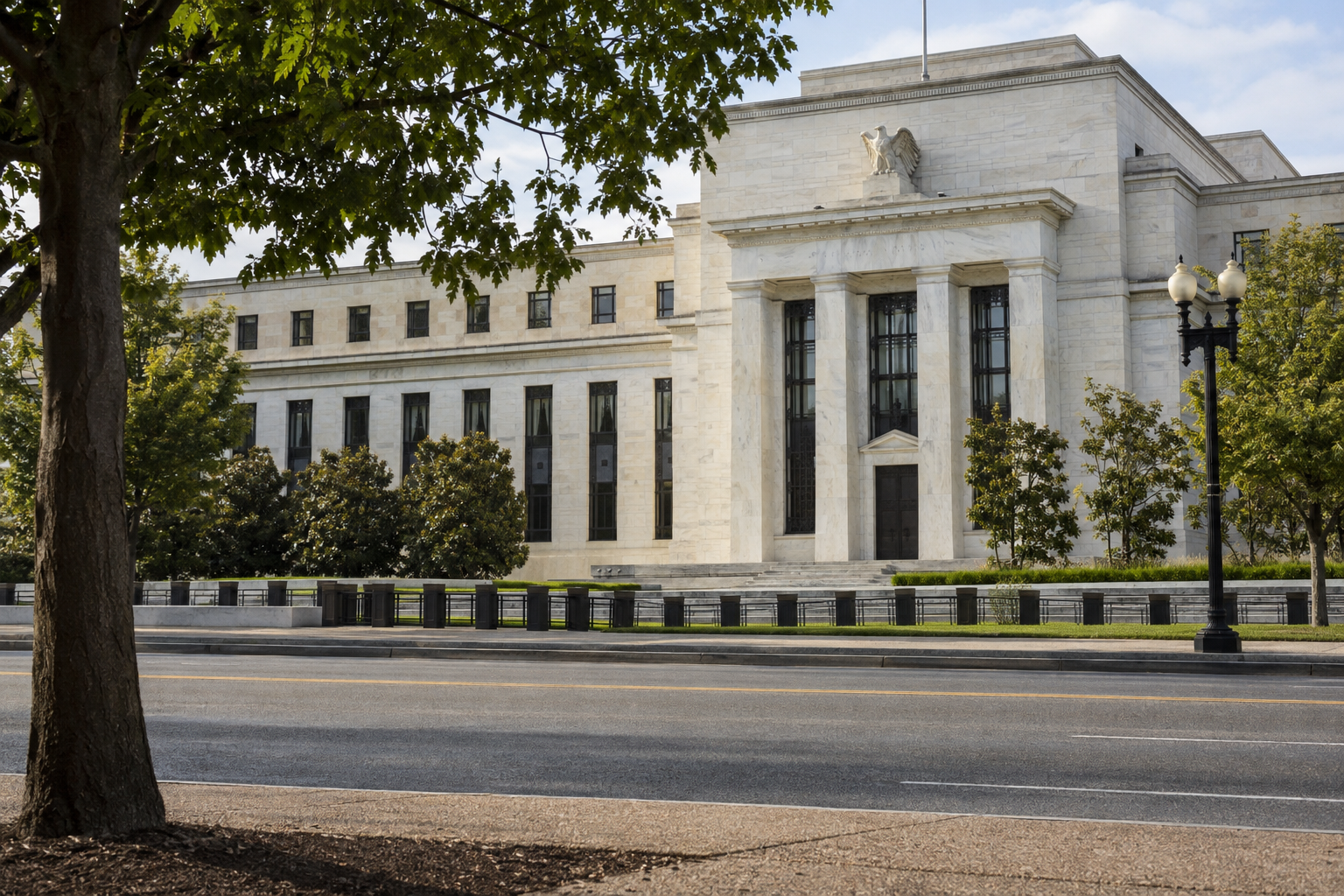
The Federal Reserve faces pressure to raise borrowing costs as it meets this week, with stronger-than-expected inflation sharpening the debate over using tighter policy to cool spending and ease price pressures. An increase nevertheless appears unlikely at Wednesday’s meeting. The distinction between a case for tighter policy and a case for acting immediately is central to the outlook: expectations of higher rates ahead do not necessarily mean investors or economists anticipate a change this week.
After inflation exceeded expectations last month, Wall Street investors and some economists had anticipated a quarter-point increase, taking rates to about 4.1%. The assessment ahead of the meeting, however, puts the chance of an immediate increase as slim. Those figures describe a policy move that some had expected, rather than an announced decision. They also frame the question facing markets: whether the latest inflation evidence will lead the Fed to raise borrowing costs now or leave that possibility for a later meeting.
The available survey material similarly points towards rate increases ahead, but not during this week’s meeting. That offers a distinction between the expected direction of policy and its timing, rather than a detailed forecast of the tightening to come. The material does not specify the eventual scale of increases or establish a timetable beyond the current meeting. It therefore supports a cautious reading: an increase may remain in prospect even if Wednesday passes without one, but the subsequent path is not settled.
Read more: Lula’s election victory puts Brazil’s debt and spending outlook in focus
The economic mechanism behind the debate is straightforward. The Fed is responsible for combating inflation and typically uses higher borrowing costs to restrain spending and reduce price pressures. In that framework, cooling demand is a means of bringing inflation down. The unresolved issue is how much restraint is needed. Evidence of unexpectedly strong inflation can strengthen the argument for higher rates without, by itself, establishing how far economic activity must slow or precisely when policymakers should act.
John Ryding, chief economic advisor for Brean Capital, LLC, made an explicit case for tightening. “The aggregate demand data (probably north of 7%...) and the inflation data point to the strong need to hike rates,” he wrote. His assessment links the strength of demand with the inflation evidence, treating both as reasons to increase borrowing costs. His comment argues for higher rates, whereas the near-term outlook concerns whether the Fed will act this week; the quoted comment does not specify a meeting.
Ryding’s demand figure requires care in interpretation. His wording presents it as an approximate assessment, and the available excerpt does not identify the period or measure underlying it. It should not be treated as a reported inflation rate or a precise measure of growth relative to the economy’s potential. What the comment establishes is his judgment that demand and inflation together warrant higher rates, not a quantified estimate of how much spending or output would have to weaken to resolve inflation.
Read more: Iran weighs Hormuz leverage as U.S. escalation looms
That distinction also limits conclusions about the broader survey. The supplied material does not establish the proportion of respondents who believe growth must fall below potential to bring inflation under control. Nor does it provide a numerical estimate of potential growth. The evidence supports discussion of the need to cool spending and the possibility of rate increases, but not a verified respondent share for a particular growth threshold. The argument about restraint is clearer than any quantified consensus about its required depth.
The assessments therefore address different questions: the case for tightening and the likelihood of an immediate policy response. Ryding sees a strong need for higher rates, while the immediate outlook points to a low likelihood of an increase on Wednesday. These positions are not necessarily incompatible: someone can favour tighter policy while expecting policymakers to wait. Equally, an expectation that rates will remain unchanged should not be read as evidence that the inflation problem has been resolved. The hotter-than-expected inflation reading remains the backdrop to the meeting.
The Fed is led by Kevin Warsh, who appeared at a news conference at the William McChesney Martin Jr. Federal Reserve Board Building in Washington, DC, on Sept. 16, 2026. The material provided contains no policy statement from him explaining how he weighs the latest demand and inflation evidence. It consequently does not establish whether his assessment matches Ryding’s call for tightening or the earlier expectation of a quarter-point move. Those outside expectations should remain distinct from the Fed’s own decision.
Wednesday’s outcome will clarify whether the Fed raises rates immediately, as some had earlier expected. A quarter-point increase to about 4.1% would match that earlier expectation; no change would align with the more cautious near-term outlook. Neither outcome alone would quantify the slowdown needed to bring inflation under control. For markets, the immediate question is the rate decision, while the broader issue remains the extent of spending restraint required to ease price pressures.