Japan · Culture
Japan recognises eight Order of Culture recipients
Seven of the eight fiscal 2026 recipients received medals from Emperor Naruhito at the Imperial Palace in Tokyo on Culture Day.
By Oren Valcett · 3 min read
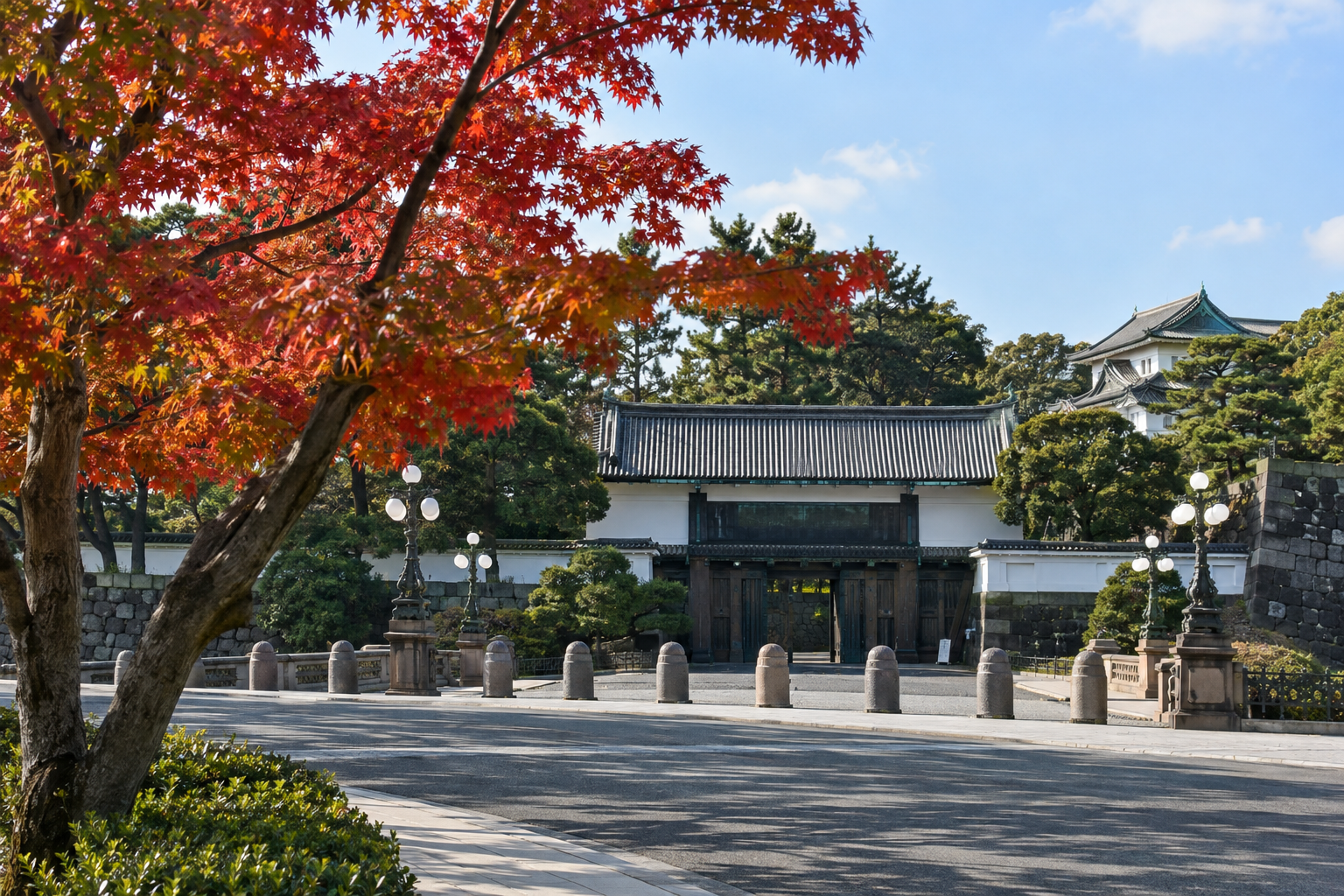
Japan held its Order of Culture medal ceremony at the Imperial Palace in Tokyo on Tuesday, recognising recipients whose work spans scientific research, the arts, scholarship and video games. Emperor Naruhito presented medals to those attending the Culture Day event. Among them was Kenso Soai, the Tokyo University of Science distinguished professor who has been named a winner of this year’s Nobel Prize in Chemistry, bringing recognition in science to a ceremony with a broad cultural remit.
The government announced the eight recipients for fiscal 2026 last month, and seven attended the ceremony on Nov 3. The absent recipient was Shigeru Miyamoto, 73, executive fellow and representative director at Nintendo and creator of games including the Super Mario series. His absence distinguished the attendance list from the full roster of honourees: the government’s selection included Miyamoto alongside the researchers, designers, scholar and composer who received their medals from the emperor on Tuesday.
The breadth of the selection is evident in the range of professions represented on the recipient list. Lighting design and architecture appear alongside French literature, composition, chemistry, biological science and immunology. Miyamoto’s inclusion also places game creation within this year’s group. Taken together, those fields give the award list a scope extending beyond the performing and visual arts, encompassing academic inquiry as well as work associated with a commercial game maker.
Read more: Italy weighs first formal process for Holocaust-era art restitution
Soai, 76, attended in a year in which he has also been named a Nobel chemistry winner. His university position and Nobel recognition are part of his background on the recipient list, while he was among those receiving Japan’s Order of Culture medals at the palace. The ceremony concerned the Order of Culture medals; the Nobel distinction was a separate part of the background of a researcher honoured alongside figures working in very different fields.
Scientific research was also represented by biological science expert Tsuneyoshi Kuroiwa, 84, and immunologist Shigekazu Nagata, 77. Both received medals at the palace. Their inclusion alongside Soai shows that the scientific component of the selection was not confined to chemistry or to the recipient associated with this year’s Nobel announcement. Biological science and immunology had their own representatives within the same award group, sharing the occasion with recipients whose careers centre on design, literature and music.
Lighting designer Motoko Ishii, 88, and architect Toyoo Ito, 85, were among those attending from design-related fields. The ages attached to their names, like those of the other recipients, are a concrete feature of this year’s selection. They describe the honourees, however, rather than the length of their careers or the duration of any particular project. Neither the age figures nor the attendance count alone explains the government’s choices among different forms of cultural contribution.
Read more: U.S. strikes Iranian targets in Strait of Hormuz as Tehran asserts self-defense right
French literature scholar Tetsuya Shiokawa, 81, brought literary scholarship to the ceremony, while Shunichi Tokura, 78, attended as a composer and former Cultural Affairs Agency commissioner. Tokura’s career therefore connects artistic work with cultural administration within the recipient group. Shiokawa’s field, by contrast, places the study of literature alongside the work of creators and researchers, illustrating another distinction among the kinds of professional activity represented in the government’s announcement.
Miyamoto’s place on the list supplies a further contrast: his work is identified through Nintendo and popular games such as Super Mario, rather than through a university discipline, architecture or composition. His absence did not change his status as a recipient. It does mean that the ceremony’s seven attendees should not be treated as the complete picture of this year’s awards, which also recognise a figure associated with game creation and leadership at the company.
The figures offer a precise account of participation but do not, by themselves, establish a trend in Japan’s cultural honours. Eight people were selected and seven attended; the professional backgrounds show variety within this year’s group. Without a comparison with other selections, that variety is best understood as a description of fiscal 2026, not evidence of a change in emphasis. Scientific achievement, scholarship and creative work were recognised together, with no ranking between those fields given in the recipient list.
Tuesday’s presentation followed the government’s announcement last month, moving the awards from the naming of recipients to the formal handover of medals. No reason for Miyamoto’s absence or arrangements for a subsequent presentation to him were given in the ceremony details. For now, the confirmed outcome is the Culture Day presentation to those at the palace, with Miyamoto remaining part of the full group recognised by Japan’s Order of Culture for fiscal 2026.