Japan markets · Markets
Japanese life insurers are net buyers of superlong government bonds for four months
Strategists say sustained net buying could support upcoming auctions as Japan seeks to address fiscal concerns among foreign investors, who held 13% of government bonds at the end of June.
By Sera Wyclen · 3 min read
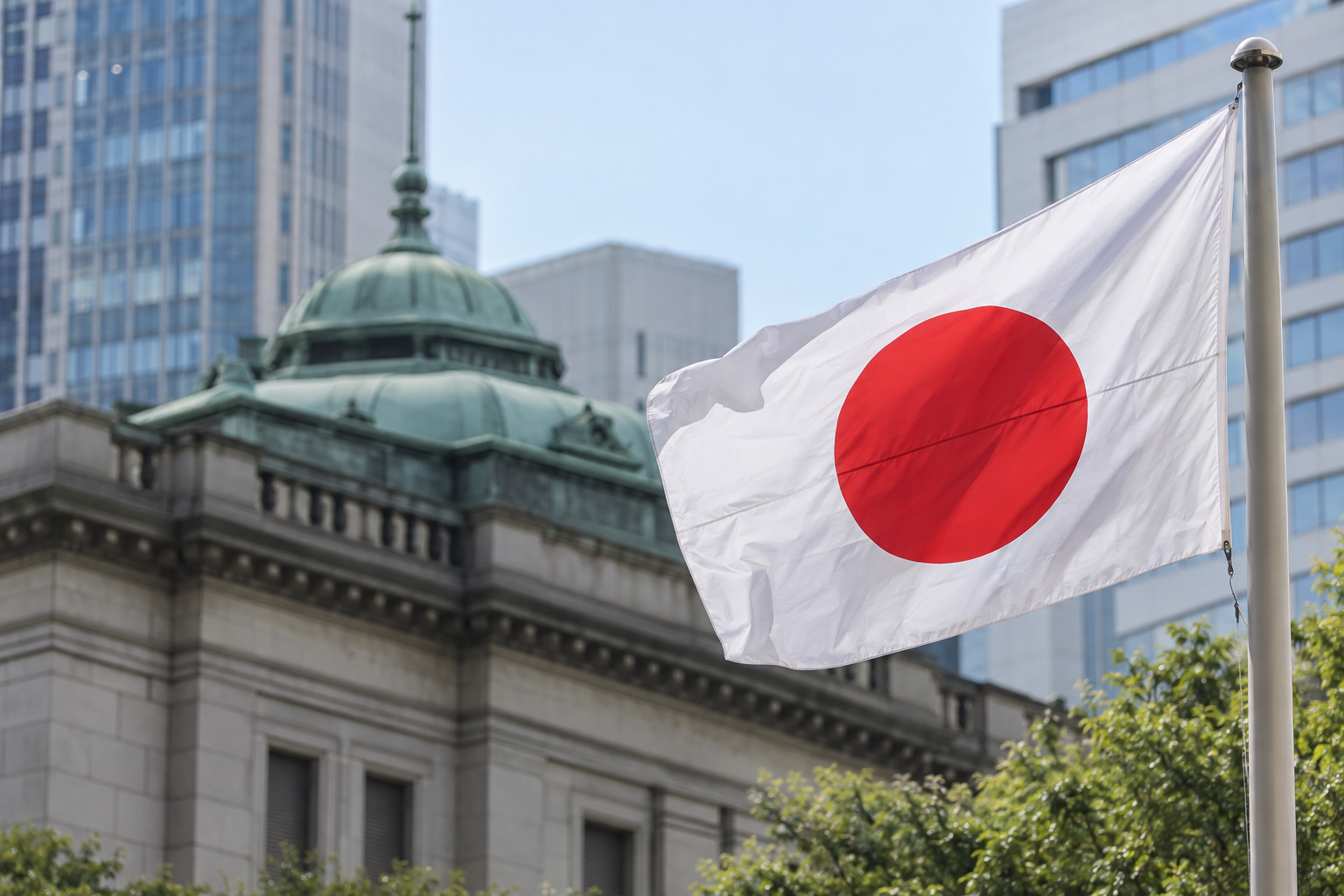
Japanese life insurers have bought more superlong government bonds than they have sold for four months, providing a potential source of support for upcoming auctions. Strategists see the buying pattern as a potential stabilising influence, alongside insurers’ bond-buying plans. The trend comes amid a reassessment of Japanese assets, with bonds attracting greater attention after a period when the prevailing investment approach favoured equities over government debt.
The four-month stretch is evidence behind that assessment, although it establishes the direction of insurers’ activity rather than the scale of their purchases. It also sits alongside a change in the market’s ownership: foreign investors held 13% of Japanese government bonds at the end of June, compared with about 8% in 2012. Domestic insurers’ purchases and overseas investors’ increased ownership share provide distinct parts of the backdrop against which forthcoming auctions will take place.
For the auctions, the supportive interpretation is that insurers have demonstrated a continuing willingness to add superlong government debt, rather than making an isolated purchase. That is the basis for strategists’ view that their buying could help underpin demand. It is not, however, a guarantee of auction outcomes. A record of net purchases does not by itself establish how much insurers will commit at future sales, or whether their participation will be sufficient to offset any weakness elsewhere.
Read more: China’s stocks lose $3.5 trillion since May peak as profits weaken
The shift in bond appetite also challenges the investment pattern associated with much of Sanae Takaichi’s first year as prime minister. During that period, the prevailing trade was to buy shares and sell bonds. That approach is now being reconsidered as bonds become more appealing. Insurers’ buying is consistent with that reassessment, though activity by this group alone cannot establish that investors across the market have adopted the same position or abandoned their preference for stocks.
Japan’s efforts to address international investors’ fiscal concerns provide another part of the context. The government is seeking to communicate in English to reassure overseas market participants about the country’s finances. With foreign investors holding 13% of government bonds at the end of June, their assessment is relevant alongside domestic buying. The insurers’ activity therefore offers a potentially supportive signal, but it does not resolve the separate questions about fiscal policy that the government’s outreach is intended to address.
Defence spending is another part of the wider fiscal policy backdrop. Japan is considering a new medium-term objective of raising such expenditure to 3.5% of gross domestic product over 10 years. The proposal remains under consideration, rather than being an established spending outcome. For investors weighing government bonds, it presents a fiscal policy consideration alongside the evidence of demand from insurers. The distinction matters: a proposed spending target and an observed buying trend describe different aspects of the market backdrop.
Read more: France’s 10-year bond yield tops 5% ahead of expected ECB hold
A government adviser has argued that higher defence spending would not unsettle markets, offering a reassuring assessment against the broader backdrop of fiscal anxiety. That view concerns markets generally, while the strategists’ assessment identifies potential support for government bond auctions. The adviser’s assessment concerns the market implications of spending policy; the strategists’ case concerns buyers’ behaviour. Neither should be treated as confirmation that forthcoming auctions will necessarily attract strong demand.
Nor does the improvement in bonds’ appeal mean expectations for Japanese equities have become uniformly cautious. The heads of Nomura and Daiwa, Japan’s two largest securities firms, project that the Nikkei stock average will reach 80,000 during 2026 or 2027. Their outlook leaves room for continued enthusiasm about shares even as government debt receives renewed attention. The comparison suggests that the reassessment need not be a simple choice in which stronger interest in one asset requires rejection of the other.
Those executives have also flagged the risk that artificial intelligence could disrupt the stock market rally, placing a qualification alongside their optimistic index projections. That concern is separate from the evidence on life insurers’ bond purchases, and it does not establish why insurers have been buying. Taken together, however, the developments show a more mixed investment backdrop than the earlier preference for shares over bonds: equity optimism persists, risks remain in view, and insurers have continued to add superlong debt.
Upcoming government bond auctions will provide a test of the strategists’ supportive assessment. The immediate question is whether insurers’ recent buying pattern carries through into demand at those sales. Japan’s efforts to reassure foreign investors about fiscal policy form another part of the backdrop. For now, the strongest conclusion is limited but constructive: insurers have been net buyers for four months, giving the superlong market a potential source of support rather than an assurance of auction strength.