Japan · Art
Maebashi biennale makes the city itself an artistic concern
The new festival in Gunma Prefecture brings a focus on city-making to a season of exhibitions, performances and new festivals in Japan.
By Calla Brenmoor · 2 min read
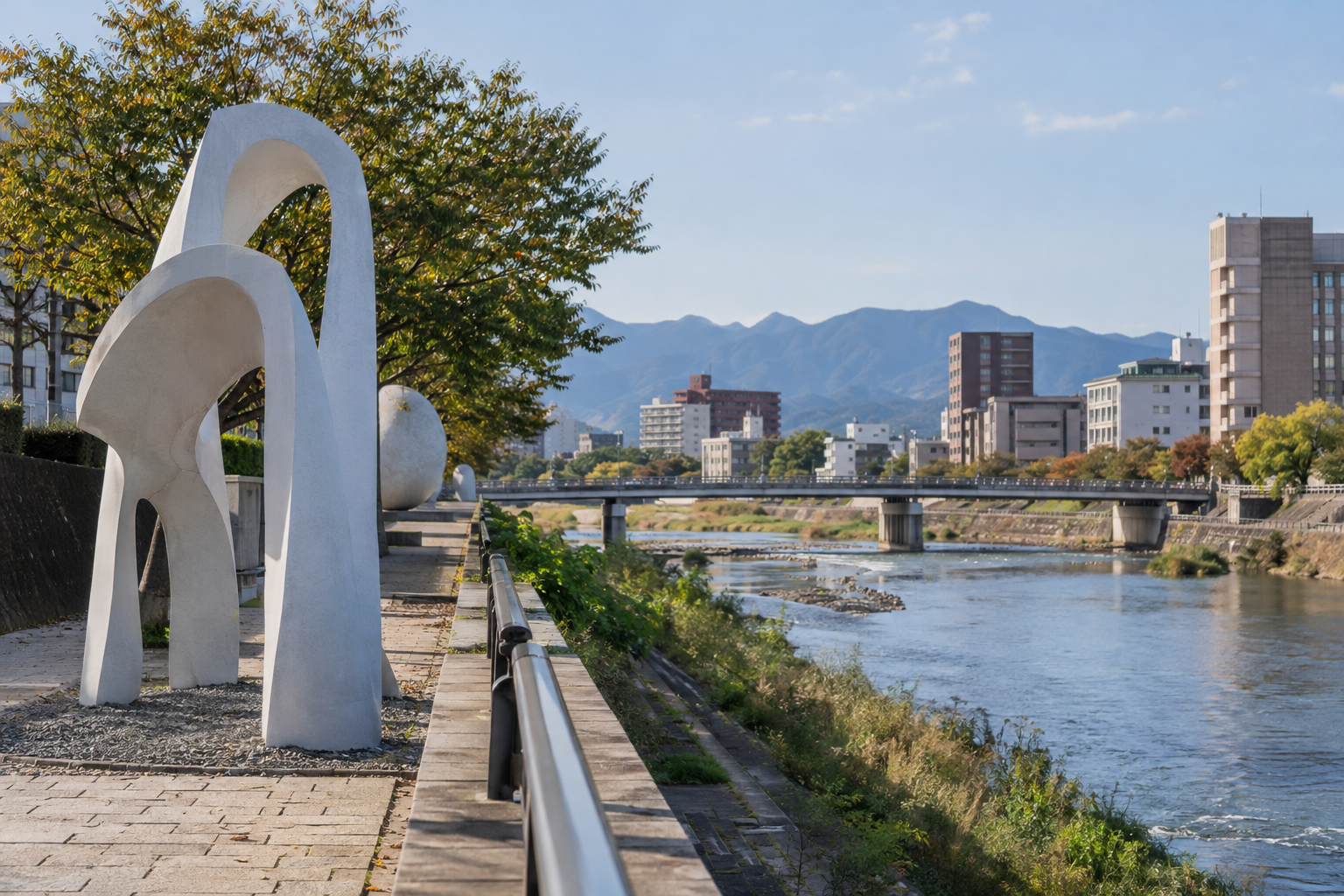
Maebashi’s biennale puts city-making at the centre of its artistic project, framing the city as more than a setting for an exhibition. The festival in Gunma Prefecture joins a busy Japanese cultural season that also includes a new festival in Tokyo.
That emphasis gives Maebashi a different organising idea from an exhibition centred on an individual artist or artwork. It invites consideration of the relationship between artistic activity and the place in which it happens. The available information, however, does not establish how that idea translates into commissions, venues or participation by residents.
Elsewhere in Japan, the season’s cultural offerings include continuing exhibitions and performances. In Okayama, the Rabbit Hole and Fukuoka Shoyu Gallery offer contemporary-art destinations before visitors travel onward to the Seto Inland Sea. Those venues provide another example of the relationship between a city and its cultural attractions, although the material does not establish a connection with Maebashi’s programme.
Read more: Met turns to everyday fashion after Galliano cancellation
For Maebashi, the central reporting question is how the biennale’s city-making premise will take practical form. Details of its artists, organisers, funding, schedule and intended outcomes are needed to assess that proposition rather than simply describe it.
The available material is limited to a headline about the Maebashi biennale and brief cultural listings, rather than a full account of the event. It provides no programme details, relevant quantitative measures, attributed comments or competing views. Those limits leave the festival’s practical approach to city-making unexamined here. A fuller assessment would require detailed reporting or primary festival documentation.