New York · Real Estate
New York City Council passes nonprofit priority measure for distressed housing sales
The Community Opportunity to Purchase Act would give nonprofits priority in sales of distressed multifamily buildings, with about 3,400 properties potentially eligible, according to the city’s housing department.
By Rian Keswicke · 3 min read
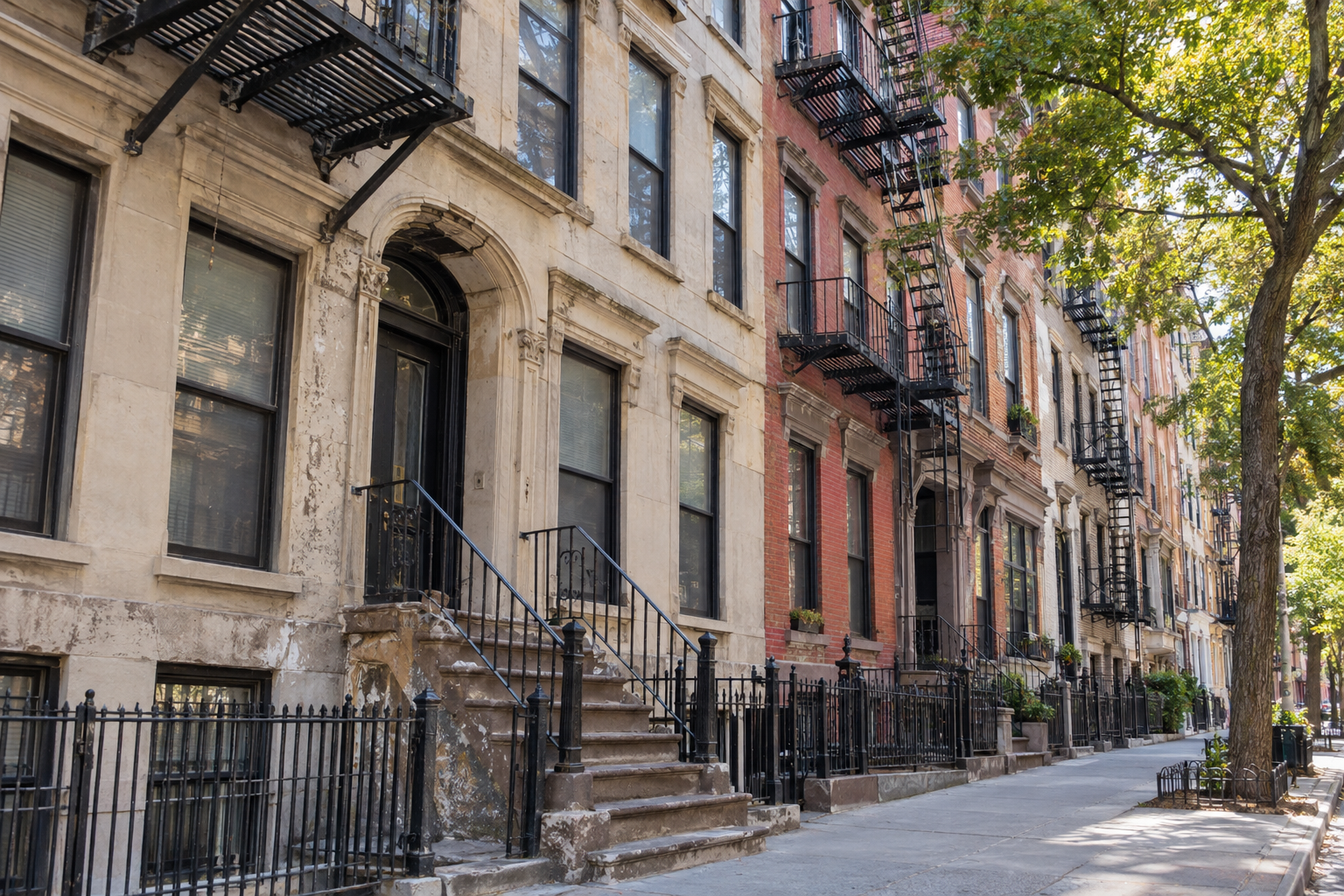
New York City’s Council has passed the Community Opportunity to Purchase Act, which would give housing nonprofits priority over other prospective buyers when qualifying distressed multifamily buildings are offered for sale. The measure, known as COPA, now heads to the mayor, whose housing plan includes the legislation and who is expected to sign it. Its passage sets up a change in how investors compete for a defined segment of the city’s housing stock.
The Department of Housing Preservation and Development estimates that some 3,400 distressed properties could qualify if their owners put them on the market. Eligibility depends on properties meeting a threshold for violations or participating in specified enforcement programmes. That figure describes the potential scope of the measure, rather than a pipeline of completed or scheduled transactions. The immediate question is how many eligible sales would result in nonprofit ownership once those organisations receive priority.
The legislation concerns distressed multifamily properties, not every building that changes hands in New York. Its reach therefore depends both on a property’s condition or enforcement status and on an owner’s decision to sell. That distinction matters when assessing the housing department’s estimate: inclusion in the potentially eligible pool does not itself mean a property is being offered for sale. Nor does priority for nonprofit purchasers establish that they will ultimately be able to acquire each building offered.
Read more: Lula and Flavio Bolsonaro supporters rally before Brazil’s presidential vote
For private investors, the change would mean waiting while nonprofits have their opportunity to pursue a qualifying purchase. For sellers, it would introduce a different order of prospective buyers into the sale process. The policy’s practical significance will depend on whether that priority leads to transactions that nonprofits can complete. Preferential access and the financial ability to buy are separate issues, and the Council’s decision addresses the former without resolving the industry’s doubts about the latter.
Some in the real estate industry question whether housing nonprofits have sufficient financial resources to take on the purchases. They expect most affected transactions to take longer and eventually end with a for-profit investor buying the property. That is an industry expectation, not an established outcome of the legislation. Nevertheless, it identifies the central competing view: a measure intended to place nonprofits ahead of investors could, in critics’ assessment, change the timetable more often than it changes the eventual buyer.
The mayor’s inclusion of COPA in his housing plan places the proposal within the administration’s housing agenda. Its mechanism would give nonprofits an opportunity they would not otherwise have ahead of competing investors. Assessing its effect, however, will require distinguishing between the number of properties potentially covered, the number offered for sale and the purchases nonprofits actually complete. The housing department’s estimate supplies a measure of potential reach; it does not establish how frequently nonprofit priority will translate into ownership.
Read more: Humana and UnitedHealthcare to end Medicare Advantage plans covering about 1 million seniors
The targeted nature of COPA also distinguishes it from other activity in the city’s property market. A residential sale recorded Friday at Chelsea’s One High Line reached $26 million for PH35B at 500 West 18th Street. The new-construction condominium measures 5,000 square feet and was the highest-priced residential transaction recorded that day. That sale offers a snapshot of the upper end of the residential market, rather than evidence of the prices nonprofits might face for distressed multifamily buildings.
Elsewhere, a pair of commercial condominium units at 594 Bushwick Avenue sold for $36.5 million, the largest commercial transaction recorded Friday.8 million for 3,500 square feet, the highest asking price among residential properties newly listed. These figures concern different property types and transaction stages. They should not be treated as benchmarks for COPA acquisitions or as evidence of the resources needed to purchase eligible buildings.
The distinction between those individual market transactions and the city’s eligibility estimate is important. The sales and listing figures describe particular assets, while the 3,400-property estimate concerns the possible reach of a purchasing-priority policy. Neither establishes the value of buildings that might be sold under COPA. The substantive debate is instead about access and execution: whether giving nonprofits the first opportunity will produce different ownership outcomes, or whether the possible financial constraints raised by industry critics will leave investors as the ultimate purchasers.
The next step is the mayor’s decision, with his signature expected because the legislation forms a key part of his housing plan. Attention would then turn to qualifying properties as they are brought to market and to nonprofits’ ability to complete purchases. The Council’s vote establishes the proposed priority; the transactions that follow would show its practical effect. For now, the clearest measure of its potential scale remains the housing department’s estimate, while the eventual balance between nonprofit and investor purchases is unresolved.