New York · Real Estate
New York City Council passes COPA to give nonprofits buying priority
The measure would give nonprofits and eligible joint ventures a 145-day opening period to bid for qualifying distressed multifamily properties, with city officials offering differing estimates of its reach.
By Rian Keswicke · 4 min read
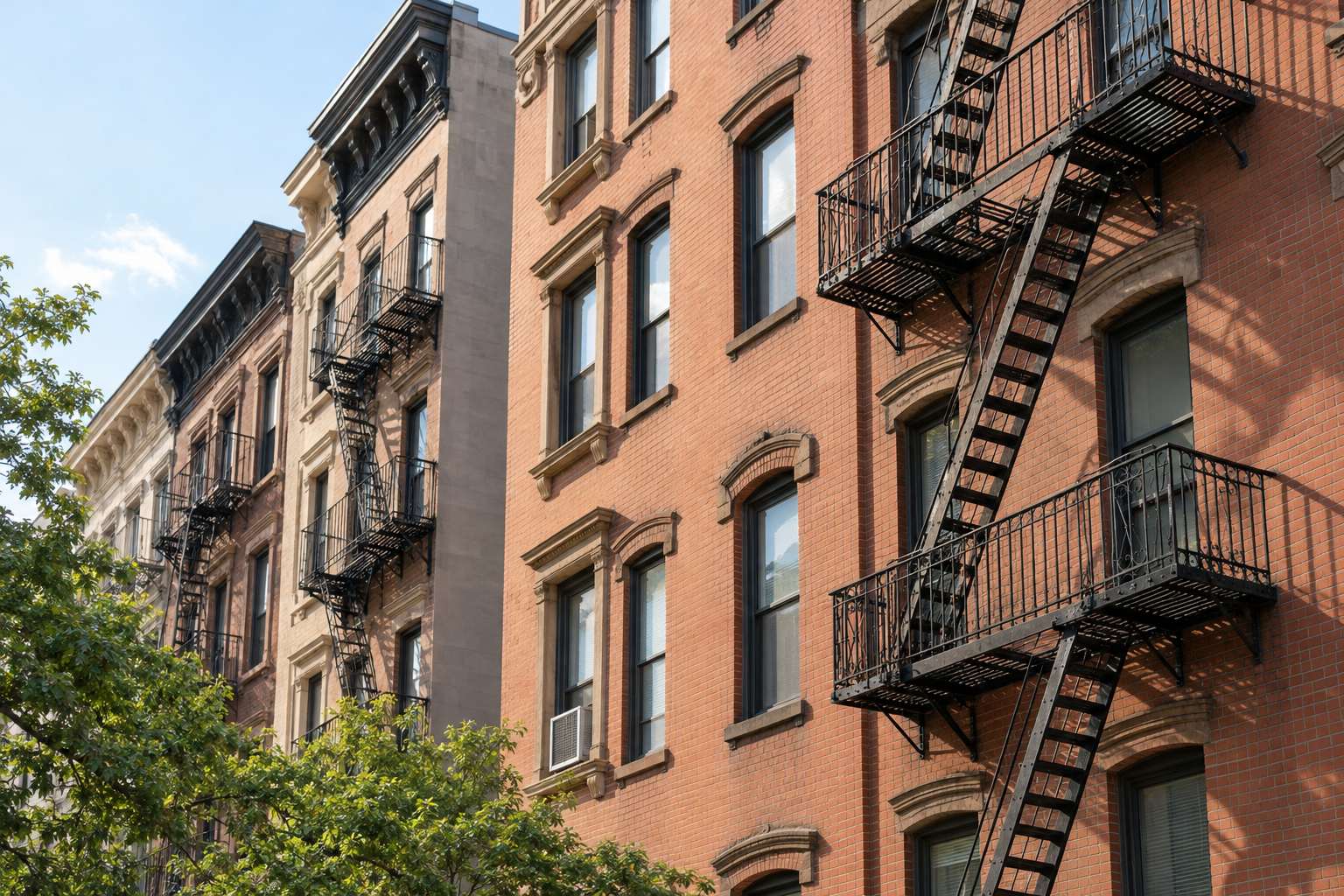
New York City’s Council passed the Community Opportunity to Purchase Act on Thursday, advancing a measure that would give nonprofits and eligible joint ventures the first opportunity to buy qualifying distressed multifamily buildings offered for sale. The vote followed six years of legislative debate and substantial revisions that narrowed the properties covered. The bill now goes to Mayor Zohran Mamdani, whose housing plan includes the measure, while property owners and prospective buyers assess its implications for transactions.
Thirty-eight lawmakers supported the bill, nine opposed it and two abstained. The Department of Housing Preservation and Development, or HPD, estimates that some 3,400 distressed properties would qualify if put on the market because of their violations or participation in specified enforcement programmes. Council Speaker Julie Menin gave a lower estimate of approximately 2,100 before Thursday’s vote. Those differing figures leave uncertainty over the measure’s eventual reach, although both indicate a substantially smaller pool than the approximately 10,000 properties initially identified.
The passage revives legislation that cleared the Council last year but was vetoed by Eric Adams. Menin let that veto stand early in her tenure as speaker; the Council has now passed a revised proposal. The latest version retains the central principle of giving nonprofit purchasers priority, but applies it to a narrower group of distressed affordable buildings. That change is important to the legislation’s practical significance: the Council has approved a targeted intervention in sales rather than the broader coverage originally contemplated.
Read more: Family offices sharpen property investment tests as rates climb
Under the final bill, covered properties must have 100 or fewer units and regulatory agreements administered by HPD. Buildings must also meet a higher violations threshold than previously proposed, with three Class B or C violations per unit, or participate in certain programmes for distressed properties. Eligibility therefore depends on the building’s characteristics and condition, not simply on an owner’s decision to sell a multifamily property. These restrictions define which transactions could enter the nonprofit purchase process when an eligible building reaches the market.
The exemptions further limit the measure’s scope. Large mixed-income and affordable multifamily buildings with 485x or 421a as-of-right tax abatements, or other city zoning enhancements, are excluded. The Council also removed provisions that would have permitted HPD to bring additional buildings into the programme and extend certain eligibility deadlines. Taken together, the exclusions and deleted provisions constrain both the initial pool of covered properties and the department’s discretion under the bill, distinguishing the approved version from earlier proposals that prompted industry opposition.
For buildings that qualify, the central transaction question is whether city-selected nonprofits and joint ventures can submit competitive bids during the 145-day period at the start of the sale process. Priority gives those buyers an earlier opportunity to pursue a purchase; it does not resolve the question of their financial capacity. The distinction between eligibility and acquisition is also important when assessing the property estimates: the figures concern buildings that could be covered if offered for sale, rather than a forecast of nonprofit purchases.
Read more: U.S. reduces embassy staffing as warnings of Iranian threats intensify
Council member Sandy Nurse defended the revised bill as the strongest version in terms of strategy and operational readiness. Her assessment contrasts with concerns among some real estate industry participants that the nonprofit sector lacks sufficient resources to acquire and restore the properties involved. The disagreement is therefore about more than who gets to bid first. It also concerns whether the preferred buyers will have the funds needed to complete purchases and address the repair and maintenance demands associated with distressed buildings.
Deborah Riegel, a member at law firm Rosenberg & Estis, questioned how nonprofits would finance both acquisition and subsequent upkeep. She identified Riseboro and Met Council as organisations that could have resources to purchase, maintain and repair properties, but argued that established nonprofits would likely be able to take on only a limited number of buildings. In her view, some owners may reject nonprofit bids and wait until the priority period expires before seeking a better-financed buyer, prolonging transactions without necessarily changing the eventual purchaser.
Comparable laws in Chicago, San Francisco and Washington, D.C., provide context for those concerns. Landlords in those markets have argued that purchase-priority arrangements have complicated sales, refinancing and access to title insurance. Those complaints do not establish how New York’s measure, narrowed from earlier proposals, will operate, but they identify transaction issues that owners and buyers will be watching. The scale of any effect will also depend on which qualifying properties are actually offered for sale and whether eligible purchasers can make bids that sellers accept.
Mamdani is expected to sign the bill, bringing attention to HPD’s administration of the programme and the capacity of selected purchasers. Legal opposition remains a possibility rather than an announced next step. Riegel said she was examining whether challenges might emerge as implementation begins, but considered it too early to say that a lawsuit was imminent. For now, the Council’s vote advances the bill to the mayor while leaving the financing, participation and transaction outcomes of the purchase-priority system to be tested.