Quebec politics · Politics
Parti Quebecois wins minority government, reviving independence question
Paul St-Pierre Plamondon’s sovereignty pledge presents a fresh challenge for Mark Carney, but the minority government will depend on opposition lawmakers.
By Nessa Dalric · 3 min read
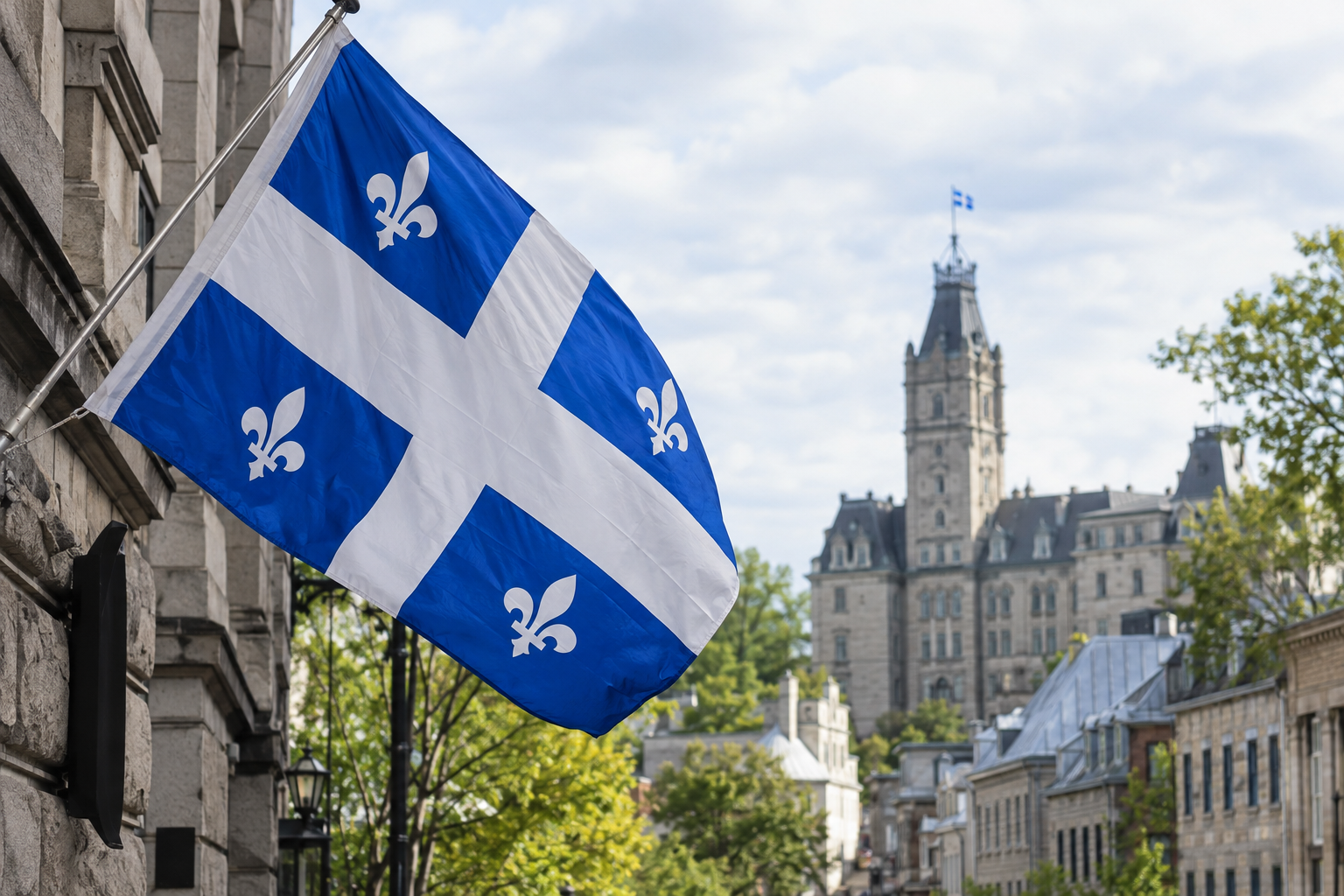
Quebec’s Parti Quebecois has won office without securing a parliamentary majority, reviving the independence question and presenting a new challenge for Canadian Prime Minister Mark Carney. The separatist party’s victory gives its leader, Paul St-Pierre Plamondon, an opportunity to pursue his pledge of a future sovereignty referendum. Its minority position, however, means the party cannot govern without support from lawmakers outside its own ranks.
A key feature of the result is therefore the gap between winning power and commanding a parliamentary majority. The Parti Quebecois has returned to power in a minority government, with opposition support necessary for it to govern. That qualification matters to the independence question: a party committed to sovereignty is taking office, but its election victory does not remove the need for parliamentary cooperation. The result establishes a new political opening for separatists rather than an assured route to their stated objective.
St-Pierre Plamondon has framed a future sovereignty vote around the protection of Quebec’s French-speaking identity. His argument links the case for a referendum to the preservation of that identity, presenting it as the rationale for his pledge. The referendum commitment makes sovereignty more than a background principle for the government. Yet a pledge to hold a vote remains distinct from the practical task of pursuing it while leading an administration dependent on opposition lawmakers.
Read more: Israel marks three years since Oct. 7 as Netanyahu faces scrutiny over warnings
The minority outcome also limits what can be concluded about the electoral mandate. It shows that the Parti Quebecois has secured a return to government, but it does not itself establish how Quebec would vote in a referendum. Winning office and winning a sovereignty ballot are different political tests. Treating the election as a settled verdict on independence would overlook both that distinction and the parliamentary constraint that now accompanies the party’s return to power.
Opposition lawmakers consequently occupy an important position in the next phase. Their support is needed for the government to function, although that requirement should not be confused with agreement on sovereignty. Cooperation with a minority administration need not imply endorsement of its sovereignty ambition. For St-Pierre Plamondon, governing will require enough parliamentary backing, alongside his stated commitment to a future referendum. How those aims fit together remains an open question.
For Carney, the political challenge arises from the return of separatist leadership in Quebec and an explicit pledge of a future sovereignty referendum. The issue is not simply a party aspiration; it is a commitment made by the leader of the party returning to power. At the same time, the minority result is a reason to distinguish the renewed importance of the independence question from any assumption that a referendum is imminent or its outcome predictable.
Read more: Trump heads to San Antonio for Paxton as Democrats eye Texas Senate opening
The competing considerations are clearest in the contrast between St-Pierre Plamondon’s stated rationale and his parliamentary position. He argues that a future referendum on sovereignty is vital to protect Quebec’s French-speaking identity. The election, however, has left his party needing assistance beyond its own lawmakers to govern. These are not equivalent measures of support: the leader’s argument explains why he wants a referendum, while the minority outcome establishes the conditions under which his government must operate. Neither resolves the other.
The promise of a future vote leaves important questions open in assessing the result. An election victory by a separatist party is not itself a timetable for a referendum, nor does minority status alone establish that a vote cannot happen. The cautious reading is that the independence question has acquired renewed prominence through the Parti Quebecois’s return, while the path to a referendum remains uncertain. Any stronger conclusion would go beyond what the victory and the government’s parliamentary position establish.
That uncertainty could give parliamentary cooperation significance beyond the routine task of sustaining a government. If St-Pierre Plamondon can secure support to govern, that backing would not necessarily amount to support for his sovereignty project. If cooperation proves difficult, the referendum pledge would remain set against the more immediate requirement to sustain a minority administration. These are possible pressures arising from the result, not evidence that opposition lawmakers have already chosen how to respond or what conditions to set.
The result raises questions about how the Parti Quebecois will translate its victory into a workable government and how it will pursue St-Pierre Plamondon’s referendum commitment from a minority position. Carney faces a revived independence question, but one whose course cannot be read directly from the election outcome. For now, the result delivers a change in who governs Quebec while leaving the larger sovereignty question unsettled: separatists have returned to office, and cooperation remains necessary for them to govern.