California · Real Estate
Permanent Opportunity Zones may favour stalled California projects over new starts
California has nominated 620 census tracts for the revamped federal tax incentive, but developers say high costs favour completing existing projects rather than launching new ones.
By Rian Keswicke · 4 min read
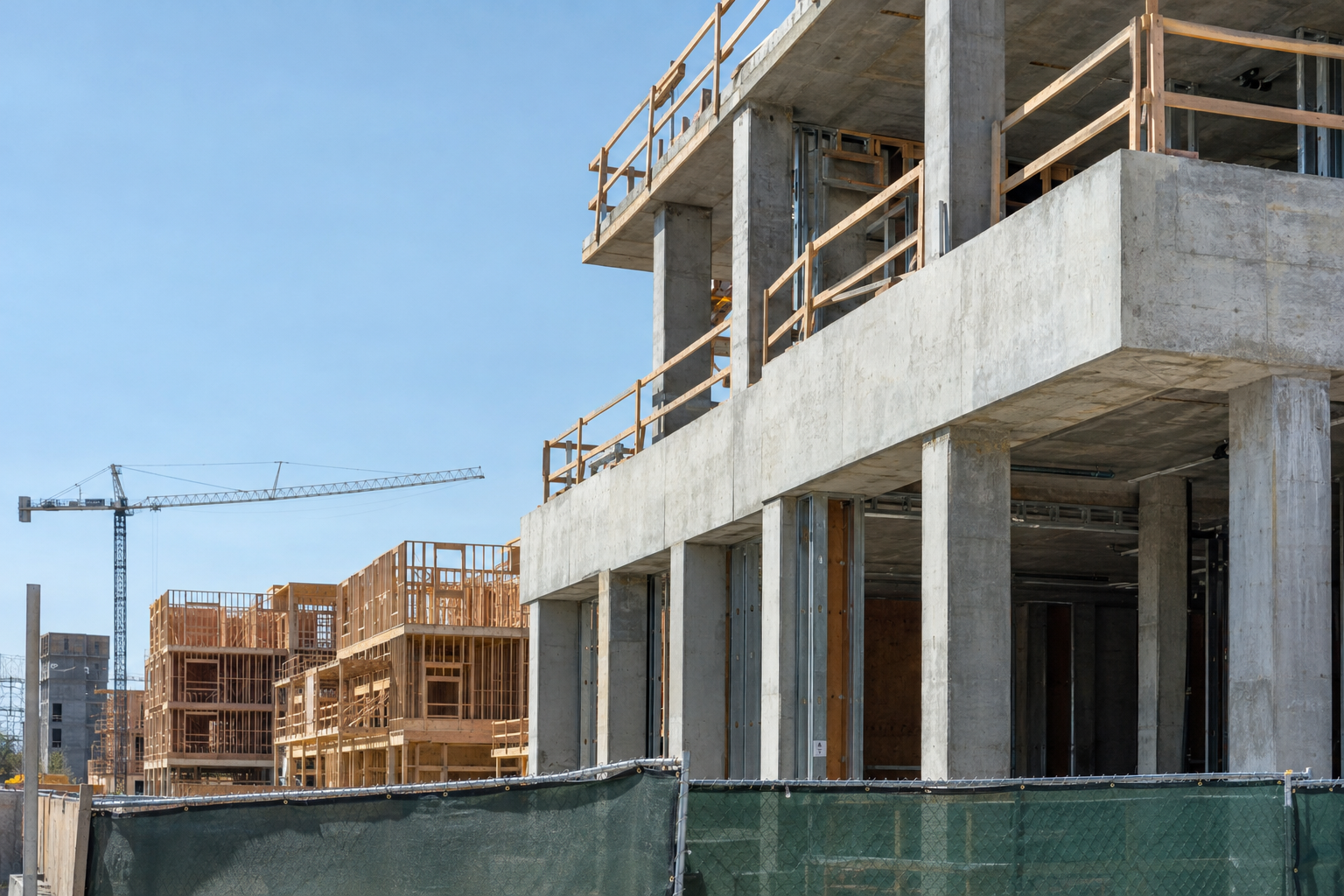
California’s proposed Opportunity Zones could bring fresh investment to developments that have already absorbed land and permitting costs, while doing less to encourage developers to begin projects from scratch. The newly permanent federal tax incentive is entering a market where construction expenses and borrowing costs remain major barriers to new apartments. Developers say its immediate value may therefore lie in helping projects already moving through the development process, rather than supporting a broader wave of new construction.
The state nominated 620 census tracts at the end of October 2026, with final designation resting with the Treasury Department. Under the revised programme, investors receive a five-year capital gains tax deferral beginning when they invest in an Opportunity Zone fund. At the end of that period, 10% of the original gain is excluded from their income. Those terms offer greater flexibility than the previous deferral arrangements, but developers distinguish between attracting investment into funds and making individual construction projects financially viable.
Clay Grubb, chief executive of Grubb Properties, expects the incentive to help revive developments where owners have already committed money. He is more cautious about the prospects for buying land and undertaking the full permitting process for a new project. The Charlotte-based developer, known for its Link Apartments brand, has more than $2B in assets under management and formed the Link Apartments REIT earlier in 2026. The REIT operates an Opportunity Zone fund, but has accepted no capital so far in 2026 while awaiting the new rules in January 2027.
Read more: TPG and ACORE raise more than $6 billion for opportunistic real estate
Grubb’s assessment reflects a sharp deterioration in apartment development economics. By his estimate, the pandemic pushed development costs nationally up 50%, an assessment consistent with the Associated Builders and Contractors’ midyear comparison with early 2020 costs. Interest-rate increases followed, and Grubb says existing apartment values fell 35% nationally. Together, higher building costs and lower property values make the case for new construction harder to establish. A tax benefit may help draw investors, but it does not by itself remove the underlying financial obstacles developers describe.
In Los Angeles, Grubb says his company could build apartments before the pandemic for less than $500K a unit and have a completed property worth more than $600K a unit. Today, he puts the likely cost at more than $700K a unit, including land and permits, against a finished value of less than $400K a unit. Those estimates explain his preference for sites where expenditure has already been incurred: the remaining cost of completing an existing development can be substantially lower than the cost of acquiring a site and starting anew.
The company’s California holdings illustrate both the potential and the limits of that approach. Grubb Properties controls an existing Opportunity Zone project in Oakland’s Jack London Square and holds development sites in Berkeley and two in the Los Angeles area intended for Link Apartments projects. The development sites remain on hold until market conditions become more favourable for construction, Grubb says. Existing ownership gives the company an advantage on costs, but the updated incentive can help those sites only if they fall within eligible areas.
Read more: U.S. strikes Iranian targets in Strait of Hormuz as Tehran asserts self-defense right
Rental conditions present another obstacle, particularly in the lower-income neighbourhoods covered by the programme. Los Angeles rents have grown by low single digits over the past year or so, if at all, with some estimates indicating declines. Paul Daneshrad, chief executive of Starpoint Properties, says rents in many Opportunity Zone locations make it difficult to justify new multifamily development. He has built four Opportunity Zone projects—three apartment developments and one industrial project—and considers industrial construction cheaper than multifamily, with land also easier to secure at a workable cost.
California’s nominations cover a range of locations, rather than a single development market. In Los Angeles County, they include tracts in Palmdale and Lancaster, Van Nuys and Panorama City, areas on both sides of the 110 Freeway through South Los Angeles, and parts of San Pedro and Long Beach. The California Department of Finance has released a statewide map of the nominations. Changes to the nomination process and a narrower definition of low-income eligibility mean there will be fewer designated tracts, subject to federal approval.
Supporters of the revised programme see greater predictability as a meaningful improvement. Kevin Wilson, a partner at Novogradac & Co., says permanent status and the rolling deferral should help communities plan and investors assess opportunities. He also points to changes since the initial designations in 2018. The selection process under Governor Gavin Newsom’s office included public webinars, discussion of suitable tract characteristics and a public comment period. Earlier Los Angeles-area designations drew criticism that some selected neighbourhoods did not need the incentive to attract investment.
The next steps are Treasury approval of California’s proposed tracts and the introduction of the new rules in January 2027. For developers, those steps will clarify which sites can receive investment under the revised terms. They will not resolve the construction-cost, valuation and rental pressures described by Grubb and Daneshrad. The programme’s near-term test in California is therefore likely to be whether greater investor certainty helps advance eligible projects already well along in the development pipeline or on hold, rather than whether permanence alone persuades developers to acquire new sites.