Business · Business
Qantas to outsource 850 Australian jobs, with most roles moving to India
The airline will begin shifting corporate work to Accenture from mid-2027 as it upgrades technology systems and accelerates investment in artificial intelligence.
By Tobin Ellmere · 3 min read
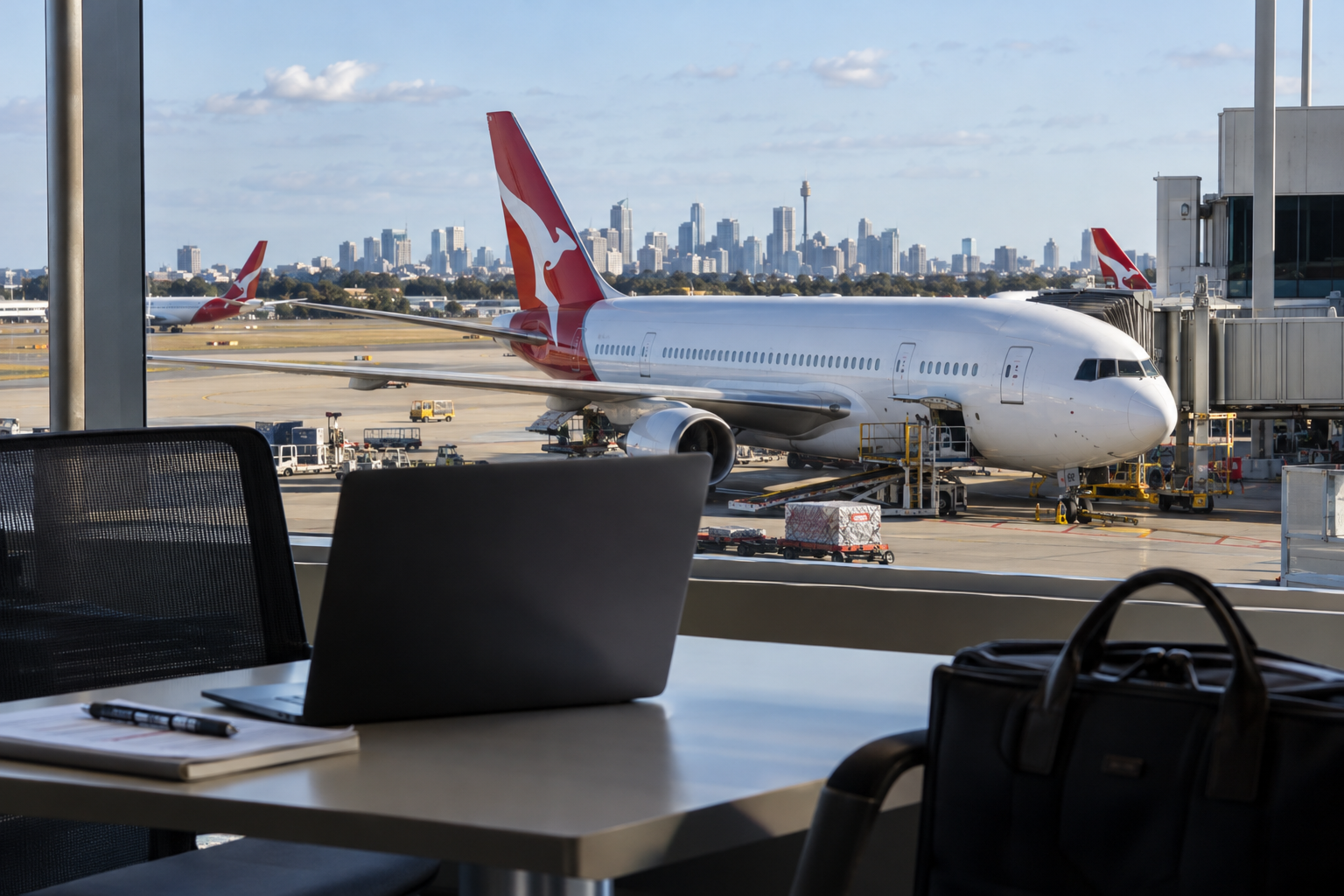
Qantas plans to outsource 850 corporate jobs in Australia to Accenture, with most of the work moving to India, as the airline steps up investment in artificial intelligence and upgrades back-end technology. The decision combines a change in where corporate work is performed with a broader effort to simplify internal operations. Chief executive Vanessa Hudson acknowledged the uncertainty for employees in an internal email to staff on Tuesday.
The job cuts are due to begin in mid-2027, starting with roles in finance, procurement, people and marketing. Under the multi-year agreement, Accenture teams in India will take on most of the work, while some will remain with teams in Australia. The 850 figure covers the Australian corporate jobs being outsourced; it is not a count of positions moving exclusively to India. Qantas described the geographical allocation in its explanation without giving a numerical split between the two countries.
Hudson apologised to staff for the uncertainty caused by the announcement. Qantas said it would seek to redeploy affected employees where possible, including into new positions in Australia. That offers a potential route for some employees to remain with the business, but the commitment is conditional rather than a guarantee of another job. The explanation did not specify how many of the affected staff would be redeployed as part of the changes.
Read more: TSMC October revenue rises 59.7% from a year earlier
Qantas already spends more than AU$1bn (US$691m; £514m) a year on technology, according to Hudson. She said Qantas needed to upgrade its back-end systems and presented the Accenture agreement as a means of making the airline more efficient. That spending figure describes the airline’s yearly technology outlay, rather than the value of the outsourcing contract or a forecast of savings from moving work to the consulting company.
Hudson’s explanation went beyond transferring jobs to another employer. She said the arrangement would allow Qantas to reshape corporate functions, simplify the way they operate and reduce duplicated work. The intended result, in her account, is to give staff more time for activities that benefit customers and the business. The agreement therefore links the relocation of work with changes to how that work is organised, rather than presenting outsourcing alone as the objective.
Automation and AI are also part of the plan, although Qantas described their further application to the outsourced work as something that would develop over time. The company said the work taken over by Accenture would undergo further transformation using those technologies in time. That distinction matters to the programme: the announced job cuts have a start date, while the further changes involving automation and AI are described in broader terms.
Read more: Venture Global targets gas export lead as quarterly profit reaches $2.55 billion
The announcement follows a market update in which Qantas flagged higher fares and reductions in flights amid increased fuel costs. Those measures concern the airline’s flying operations, while the Accenture agreement addresses corporate functions and technology systems. Together, the announcements show Qantas planning changes both to its services and to the organisation supporting them. Hudson’s stated rationale for the outsourcing agreement, however, centred on modernisation and efficiency rather than attributing the job cuts to fuel costs.
The figures disclosed offer a measure of the workforce change and the scale of existing technology expenditure, but they do not establish the financial return from the agreement. Qantas identified 850 jobs for outsourcing and annual technology spending above AU$1bn, without specifying a contract price or a savings target in the explanation provided. The case presented to staff was instead framed around better systems, less duplication and a different allocation of work across corporate teams.
For employees, the immediate issue is the future of their roles, rather than the longer-term technological benefits outlined by management. Hudson’s apology recognised that uncertainty, while the offer of possible redeployment left individual outcomes unresolved. The company’s efficiency argument and its acknowledgement of disruption sit alongside each other: Qantas expects the arrangement to improve internal operations, but its conditional redeployment commitment does not promise every affected employee another position within the airline.
The job cuts are scheduled to start in mid-2027, with the identified corporate functions moving into the Accenture arrangement. Some work will continue in Australia, although most is destined for India, and Qantas says it will pursue redeployment opportunities for affected staff. In time, the company intends the transferred work to be further transformed with automation and AI, making the outsourcing agreement a step in a longer programme of changes to its corporate operations.