Markets · Markets
Stocks fall as October consumer prices rise 0.4%
The 10-year Treasury yield moved back toward 5% as stronger-than-expected inflation and Waller’s comments fuelled rate-hike expectations, with a larger December increase in focus.
By Sera Wyclen · 3 min read
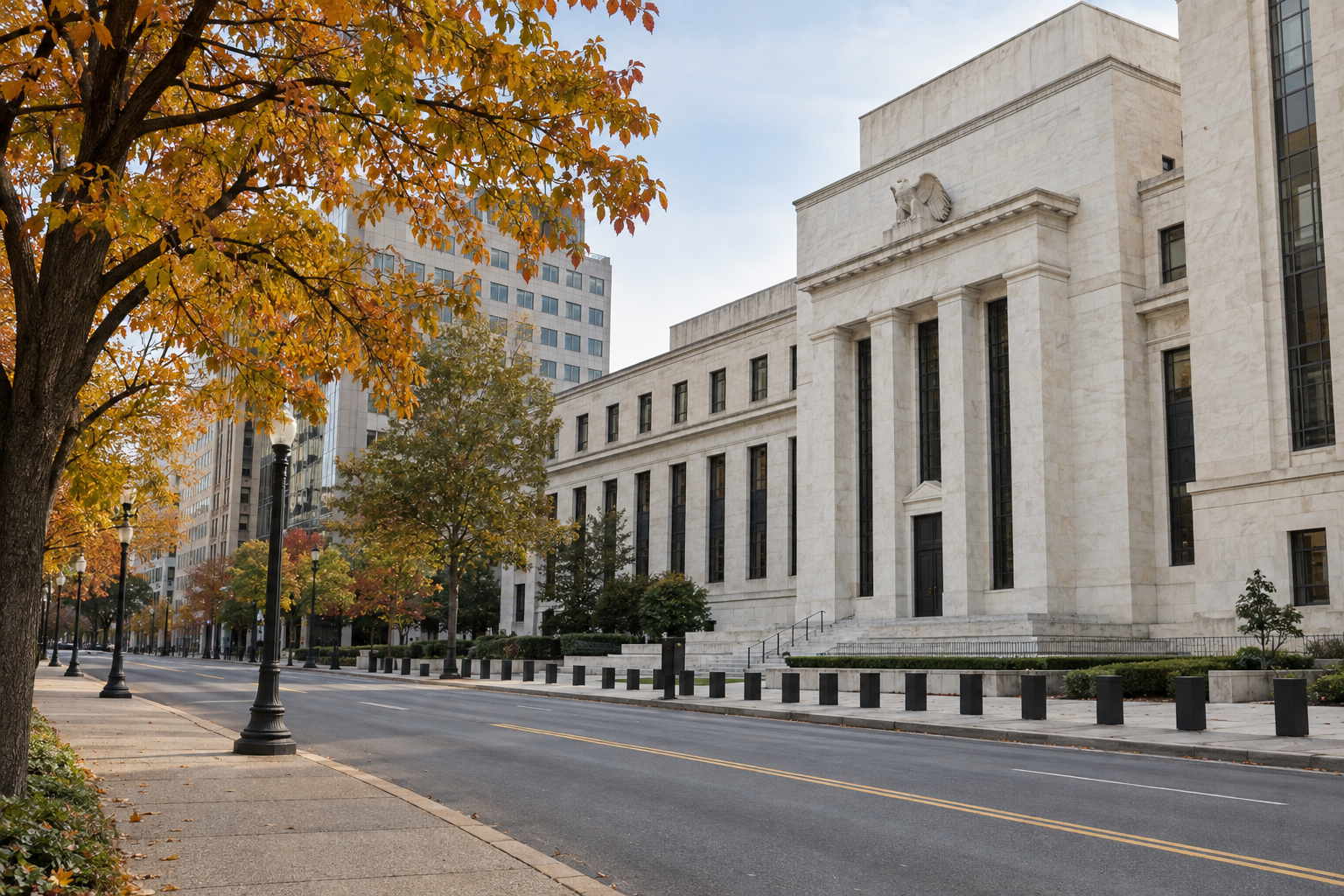
U.S. stocks declined as inflation concerns intensified after consumer prices increased 0.4% in October 2026, exceeding expectations, while the 10-year Treasury yield moved back toward 5%. The S&P 500 fell as investors reassessed the inflation outlook. The release put the prospect of a larger December interest-rate increase into focus, although markets had largely priced in a quarter percentage point rise.
The October consumer-price reading came alongside evidence that spending remained firm and businesses intended to keep increasing prices. Retail sales advanced 0.8% in September, according to the Commerce Department. Separately, a net 37% of businesses responding to the October National Federation of Independent Business survey said they planned price increases over the next three months. That net share was the highest since July 2022, adding a forward-looking concern to the latest evidence of stronger-than-expected consumer inflation.
For markets, the immediate question was not simply whether prices were rising, but how the surprise might affect the scale of the Fed’s next move. Stocks faced pressure over inflation concerns, while inflation data and Waller’s comments drove rate-hike expectations in the Treasury market. The approach of the 10-year yield toward 5% made the reassessment visible in the bond market, while the decline in the S&P 500 showed that concerns extended beyond government debt. Neither move, by itself, settled how far the Fed would ultimately go.
Read more: European stocks rise after Dow gains 1,100 points in technology rebound
The spending figures help explain why the inflation outlook remains difficult to assess. September’s retail-sales increase showed consumers continuing to spend ahead of the October price report, rather than providing evidence of an outright decline in sales. The two releases cover different months and measure different things, so the sales gain cannot establish the cause of October’s inflation surprise. Taken together, however, they offer little basis for assuming that weaker consumer spending was already bringing price pressures under control.
The business survey adds another dimension because it concerns intended price changes rather than increases already recorded. The net 37% reading suggests that pricing pressure could persist beyond the October consumer-price release if businesses carry out their plans. Intentions are not the same as completed increases, and the survey does not establish what a subsequent inflation reading will be. Even so, the net share planning increases reaching its highest level since July 2022 complicates the case for treating the latest consumer-price surprise as an isolated development.
There remained a distinction between concern about a larger rate increase and the outcome most clearly reflected in market pricing. CME Group’s FedWatch tool showed that markets had largely priced in a quarter percentage point increase in December. Anxiety about a bigger move therefore represented a risk around that expectation, rather than a confirmed policy decision. The stronger inflation reading raised the stakes for that distinction: investors were confronting both expectations of another increase and uncertainty over its potential size.
Read more: Spot gold slips 0.6% as focus shifts to U.S. inflation data
The Treasury sell-off also had a separate source of pressure. A lackluster auction of 10-year government debt on Tuesday added to the decline in bond prices, with BMO Capital economists characterising the sale as soft. That makes it important not to attribute the entire move toward a 5% yield to the consumer-price report alone. Inflation data and Waller’s comments drove rate-hike expectations, while the auction supplied an additional reason for downward pressure on Treasury prices during the session.
Oil markets offered a contrasting price signal in an earlier trading snapshot. At 2:25 a.m. ET on November 9, front-month Brent crude futures were down 1.3% at $91.S. West Texas Intermediate futures fell 1.3% to $85. Those declines stood apart from the upward surprise in October consumer prices reported on November 10. They did not, however, resolve the inflation question: a futures-market move is a different measure from the reported monthly change in prices paid by consumers.
The oil decline came as President Donald Trump played down the likelihood of further U.S. military action against Iran. Speaking to reporters Monday, Trump said fresh U.S. strikes on Iran were "highly unlikely," adding that "Iran militarily is effectively over." His remarks provided a separate geopolitical backdrop for crude trading, rather than evidence about the Fed’s likely decision. The contrasting signals included falling oil futures in the earlier snapshot and a consumer-price release and business pricing plans that continued to point to inflation concerns.
Attention now turns to whether subsequent evidence supports the quarter percentage point December increase reflected in market pricing or strengthens the case for a larger step. Consumer spending and businesses’ stated plans to raise prices will remain relevant to that assessment. For now, the October surprise has made the path less comfortable for investors: stocks have weakened, the benchmark Treasury yield has returned toward 5%, and the prospect of a larger December increase has come into focus.