Photography · Art
Tate revisits pictorialism through works unfamiliar to British audiences
Around half the works in Light and Magic: The Birth of Art Photography have never been shown in the UK, giving its international reassessment a substantial element of discovery.
By Calla Brenmoor · 3 min read
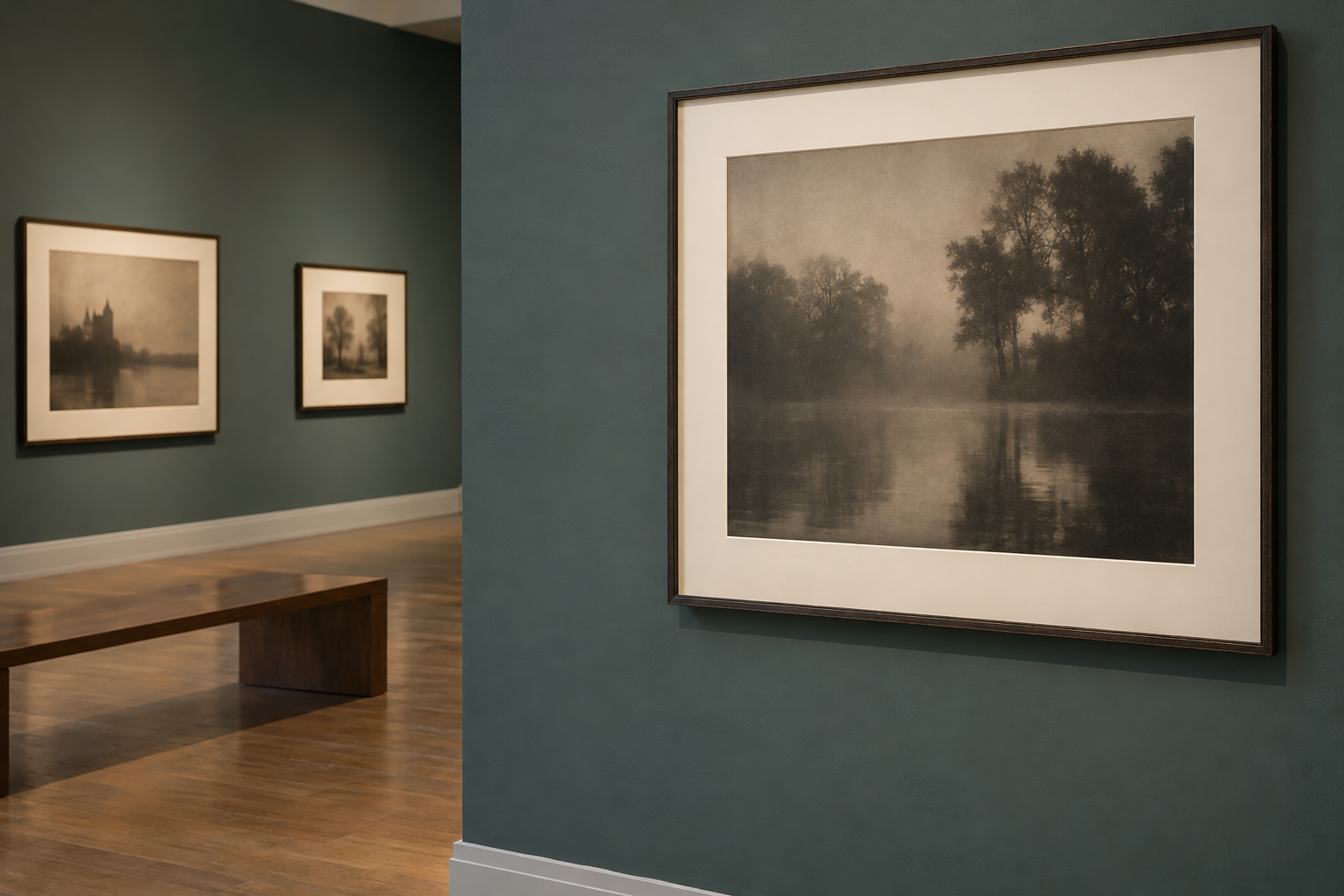
Tate’s Light and Magic: The Birth of Art Photography revisits pictorialism as an international, pluralistic movement. Its opportunity for discovery is particularly clear for British audiences: alongside a reconsideration of photographic art, the exhibition brings into view works without a previous UK exhibition history. That combination offers a reason to visit beyond revisiting an established subject. It allows viewers to consider the movement through material they may not already recognise.
Around half the works included have never been exhibited in the UK. This is a concrete indication of the exhibition’s scope for discovery, though it should be read precisely: it describes their exhibition history in the UK, not whether they have been seen elsewhere or are known to specialists. The distinction matters for a show concerned with an international movement. What is unfamiliar in one country is not necessarily unfamiliar in another, and a UK exhibition record cannot stand in for a work’s wider visibility.
The exhibition offers a first retelling of the international, pluralistic pictorialism movement. That description invites viewers to consider differences within the movement rather than treating it as a uniform undertaking. It also provides a framework for considering why unfamiliar works might matter here: their potential interest extends beyond being additions to a familiar presentation. They offer an opportunity to reconsider how adequately any familiar selection represents the whole. Viewers can therefore consider both access to individual photographs and the breadth of the account assembled around them.
Read more: Anna Petrus pottery bowl carries €50–€100 estimate at Adam’s
The title places that account within the emergence of photography as art. Its reference to a beginning suggests a broad interpretive ambition, while the exhibition’s attention to pictorialism supplies the particular subject through which that ambition is explored. The international emphasis is relevant to that relationship. It encourages a reading in which the development under consideration is not confined to a single national perspective. Equally, the movement’s diversity cautions against assuming that all the works should support one uncomplicated explanation of what photographic art could be.
The proportion of UK debuts gives the promise of discovery a concrete foundation, but not a complete measure of the exhibition’s success. Around half is a substantial share of the exhibition, rather than a small supplement to works previously shown in the UK. Yet the figure does not itself establish the artistic importance of those works, or explain their relationships to one another. Its value is more specific: it shows how much scope the exhibition provides for British audiences to encounter material beyond what has previously been displayed in the country.
There are consequently distinct ways to assess the show’s promise. One is to value the opportunity to see works that have not previously been exhibited in the UK. Another is to ask whether their inclusion produces a more persuasive understanding of pictorialism. These considerations are complementary, but they are not interchangeable. An unfamiliar photograph can reward attention on its own terms without necessarily changing an account of the movement; a broader account, meanwhile, depends on the connections and distinctions made across the selection, not simply on the novelty of its contents.
Read more: Ueda says further rise in underlying inflation above 2% is unacceptable
That distinction also helps keep the international claim in proportion. A movement described through its diversity invites attention to differences as well as shared characteristics. The question for viewers is not only whether the exhibition widens the field of vision, but how that wider field affects their understanding of the subject. Unfamiliarity can be a useful starting point because it leaves room for closer looking. It should not, however, become a substitute for assessing what an individual work contributes to the exhibition’s larger proposition.
For British audiences, the combination of reassessment and discovery is a practical offering. Visitors can approach the exhibition as an introduction to a movement with an international scope, or as an opportunity to reconsider an existing understanding through works absent from previous UK displays. Neither approach requires treating novelty as an artistic verdict. A useful distinction is between recognising a subject and having access to the range of material through which it can be understood. By including so many UK debuts, this exhibition expands the range of works audiences can encounter in a UK display.
What follows from those opportunities is a question of interpretation rather than arithmetic. The UK debuts establish a reason to look again; the exhibition’s broader account provides a reason to consider the works together. One test of its lasting significance will be whether those encounters deepen understanding of pictorialism’s variety and international character. For now, Tate’s exhibition offers a clear opportunity: revisiting the emergence of art photography can involve more than returning to familiar images, and a substantial part of this presentation gives British audiences works not previously exhibited in the UK.