Energy trade · Business
Trump’s Russian diesel deal draws sharp criticism from Ukraine
Zelenskyy describes the agreement as a gift to Putin, exposing a clash between pressure to curb fuel prices and Ukraine’s concerns about sustaining Russia’s war.
By Tobin Ellmere · 3 min read
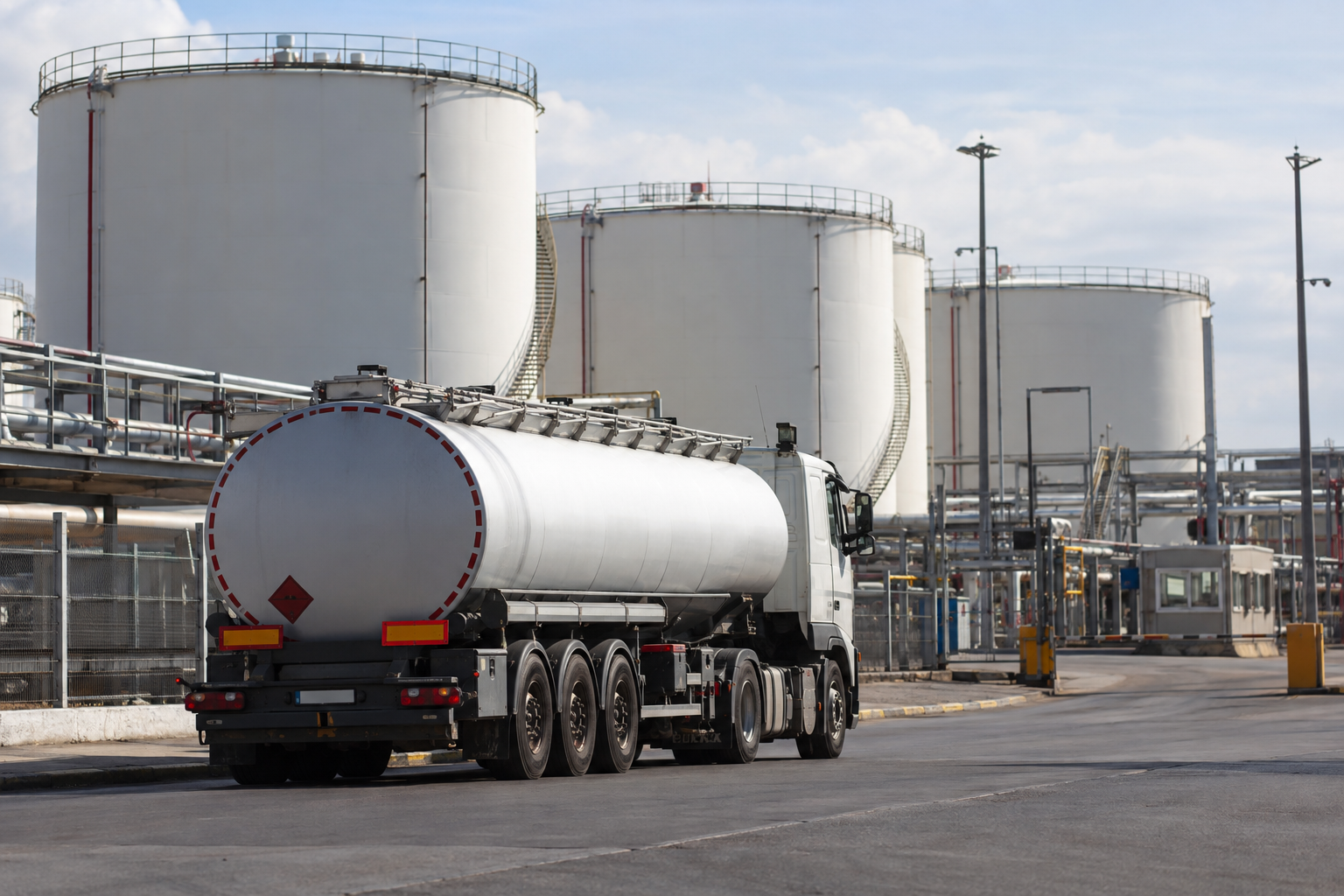
Trump’s announcement of an agreement for Russian diesel has drawn sharp criticism from Ukraine, with President Zelenskyy describing the move as a gift to Putin and warning against investment that prolongs the war. The dispute puts the agreement at the intersection of energy trade and wartime diplomacy: a deal announced amid mounting pressure to curb fuel prices is being challenged by Ukraine on the grounds of its implications for Russia.
The central commercial details remain unclear in the available information. It does not establish the agreement’s value, the quantity of diesel involved, its pricing or a delivery timetable, leaving no basis for quantifying its potential effect on fuel costs or Russia’s earnings. The clearest development in that information is therefore the political disagreement surrounding the US-Russian arrangement, rather than a measurable change in supply, prices or trade flows resulting from it.
Zelenskyy’s criticism was explicit. He called the move an “investment in war that must be ended, not prolonged”. That objection goes beyond whether the diesel agreement offers attractive commercial terms. By characterising it as a gift to Putin, Ukraine’s president framed the transaction as support for Russia during the war. His statement makes the agreement’s wider consequences, rather than its potential usefulness in addressing fuel prices, the central issue in Ukraine’s response.
Read more: Houthi attack on Riyadh airport kills 12, Saudi aviation authority says
The announcement comes against a backdrop of mounting pressure to bring fuel prices down. That context helps explain the commercial significance of a diesel agreement, but it does not demonstrate that this particular arrangement will deliver lower prices. The available information contains no price commitment or estimate of savings. Nor does it establish how any diesel obtained through the deal would reach buyers, making it premature to describe a specific benefit for businesses or consumers.
The absence of quantities in the available information is particularly important when assessing the announcement as an energy-market development. Without a stated volume, the scale of the agreement cannot be assessed from the available details. Without a price or contract value, its financial significance is similarly uncertain. These gaps leave both the potential commercial benefit and the size of any associated benefit to Russia unquantified, even as Zelenskyy has made clear that he opposes the direction of the agreement.
Ukraine’s objection and the pressure over fuel prices consequently address different measures of the deal’s merits. The fuel-price context concerns the cost of energy; Zelenskyy’s criticism concerns what an agreement with Russia could mean for the war. The information available does not resolve that tension. It supports neither a numerical claim about lower fuel bills nor a calculation of how much Russia might receive, and those outcomes should not be treated as established consequences of Trump’s announcement.
Read more: A year into Gaza ceasefire, Palestinians question whether war has ended
The disagreement also sits alongside a separate political challenge from Trump to Ukraine’s leadership. Material dated October 10, 2026 reports his call for Ukraine to elect a new president. The available details do not establish a connection between that statement and the diesel agreement, and they should not be read as evidence of a negotiated exchange. Together, however, the two developments place the dispute over Russian diesel alongside Trump’s call for a change in Ukraine’s leadership, without establishing a link between them.
For a business assessment, the distinction between an announced agreement and demonstrated commercial results remains essential. Trump has announced a deal, but the information available does not establish completed deliveries or a resulting movement in fuel prices. Zelenskyy has condemned the arrangement, but his description of it as an investment in war is a political assessment, not a disclosed financial account. Keeping those distinctions clear avoids assigning a scale or outcome to the transaction that has not been established.
The competing considerations are therefore clearer than the agreement’s mechanics. Pressure to curb fuel prices forms the economic backdrop, while Ukraine argues that the arrangement serves Putin’s interests and risks prolonging the war. No detailed response to Zelenskyy’s criticism is contained in the available information. There is consequently no basis for claiming that his concerns have been addressed, or for presenting the agreement’s prospective commercial advantages as an answer to the objection he has raised.
What comes next commercially cannot yet be determined from the available information. Assessing the deal will require clarity about its quantities, prices, timing and implementation; assessing its effect will require evidence beyond the announcement itself. For now, the agreement has produced a clear diplomatic dispute without enough detail in the available information to measure its business consequences. Trump’s Russian diesel initiative faces Ukraine’s stated opposition, with Zelenskyy characterising the move as an investment in a war that must be ended rather than prolonged.