US politics · Politics
House votes 211 to 204 to halt Hegseth impeachment push
The referral of impeachment articles to committee gives Defense Secretary Pete Hegseth a reprieve, but Democrats can revive the effort when they are expected to take control of Congress in January.
By Nessa Dalric · 3 min read
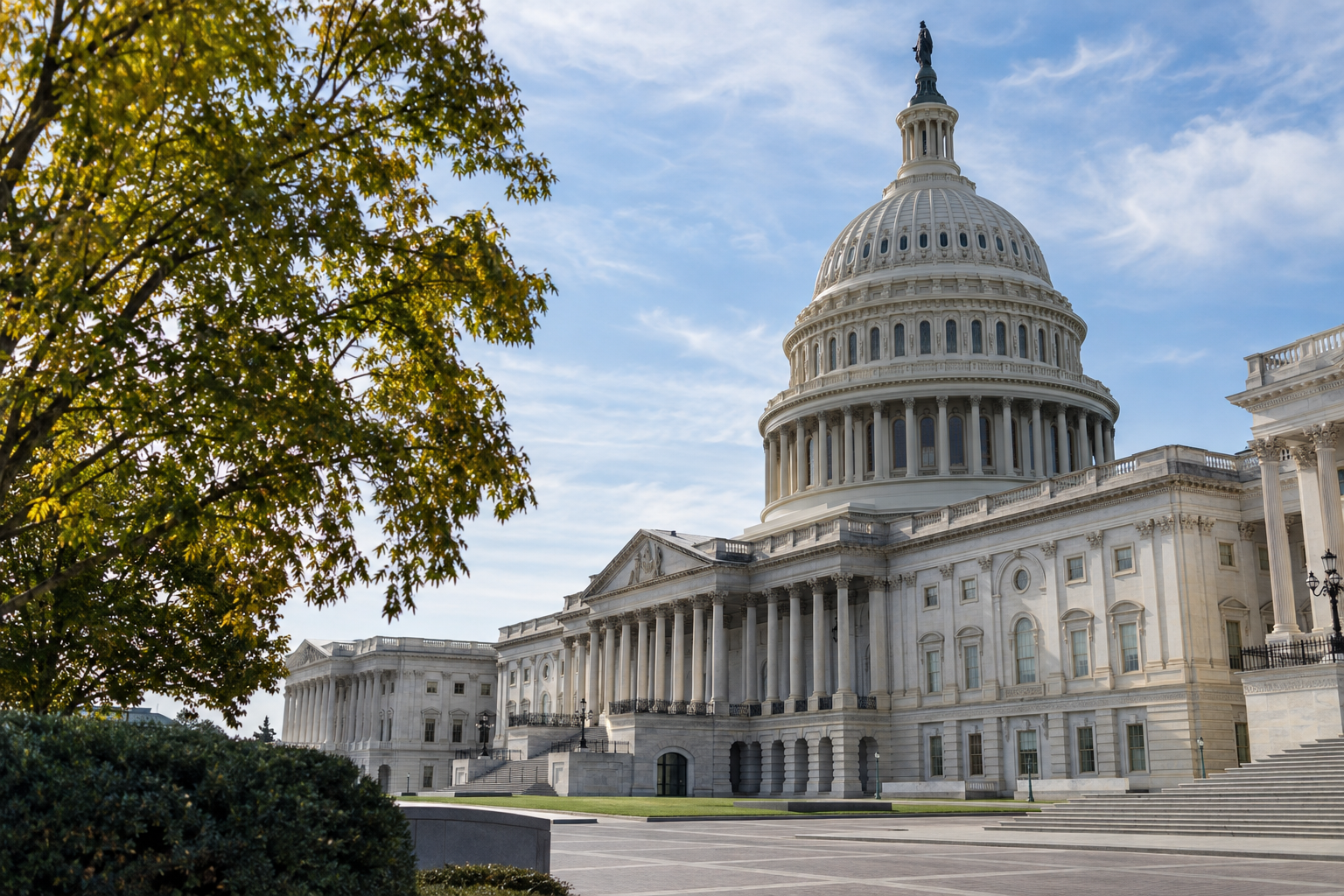
The US House of Representatives voted on Tuesday to send impeachment articles against Defense Secretary Pete Hegseth to committee, effectively stopping an effort to bring formal charges over his conduct of the Iran war and other military operations. The procedural decision spared Hegseth a potential impeachment vote before the full House as early as Wednesday and gave President Donald Trump a political victory following his party’s midterm election defeat.
The vote was 211 to 204 to refer the resolution to committee. Representative Thomas Massie of Kentucky, the Republican who brought the eight articles of impeachment, was the only member of his party to oppose the procedural move. Eleven Democrats missed the vote, including Representative Jonathan Jackson, who attributed his absence to a traffic delay. The result halted the immediate push without resolving the underlying dispute over Hegseth’s use of military authority.
Republicans retain control of the House until January, when Democrats are expected to take charge of both chambers of Congress. That timetable limits the reach of Tuesday’s outcome: it blocks the current effort but leaves Democrats able to renew it under a different congressional majority. The midterm setback for Trump’s party came amid public dissatisfaction over the Iran war, higher gas prices and the rising cost of living, placing the impeachment dispute within a wider debate over the administration’s record.
Read more: Jim Jordan wins House Republican leadership vote, 106 to 73
The attendance figures also qualify the political significance of the vote. With 11 Democrats absent, the result reflected both the positions of lawmakers who participated and the absence of others. Jackson’s explanation accounted for his own missed vote, not those of the other absent Democrats. Massie’s position, meanwhile, showed that opposition to Hegseth extended beyond the Democratic Party, although he stood alone among Republicans in voting against the procedural manoeuvre that stopped the resolution from advancing to an immediate impeachment vote.
Massie’s eight articles covered several aspects of Hegseth’s leadership of the Pentagon. They alleged that he had waged war against Iran without congressional authorisation and abused his authority as defense secretary. The articles also challenged strikes on suspected drug-smuggling boats in the Caribbean and eastern Pacific, which Massie characterised as extrajudicial killings, and raised allegations concerning the 2025 conflict with Yemen’s Iran-backed Houthis. Together, those accusations broadened the case beyond the Iran war to other military operations carried out under Trump.
Another allegation concerned Hegseth’s attempted punishment of Democratic Senator Mark Kelly over a video urging military and intelligence personnel to resist illegal orders. Massie accused the defense secretary of suppressing free speech. That element of the resolution concerned Hegseth’s response to Kelly’s video and its message about illegal orders, rather than the conduct of a particular strike or campaign. It added a separate dispute over his exercise of authority to the allegations about the administration’s military operations abroad.
Read more: California voters reject proposed 5% billionaire wealth tax, projections show
Hegseth rejected the impeachment effort at a Pentagon press conference earlier on Tuesday, describing it as a political stunt and portraying the accusations as an attack on US troops. He defended the operations in Yemen, Iran and against alleged drug smugglers. “I stand behind every one of these operations. I was proud to execute them, and I would do it again tomorrow,” he said. His response offered no retreat from the military actions at the centre of Massie’s case.
Trump publicly backed his defense secretary in social-media posts, describing Hegseth as a “Great American Patriot” and presenting the outcome as an exoneration. Vice President JD Vance also rejected the contention that Hegseth had committed impeachable offences. Those statements set the administration’s interpretation against Massie’s allegations. The House action itself was procedural: the referral to committee stopped the immediate impeachment effort rather than constituting a full House vote on the charges that Hegseth had been expected to face.
The dispute unfolded as Republicans chose leaders for their coming period out of the House majority. Representative Jim Jordan of Ohio won the contest to lead House Republicans in the next Congress, defeating current Majority Leader Steve Scalise. The leadership vote was 106 to 73, according to people familiar with the tally. That decision and the Hegseth vote reflected different parts of the congressional transition: Republicans were preparing for minority status while still using their current majority to protect an administration official.
The expected shift to Democratic control of Congress in January leaves open the prospect of renewed impeachment proceedings. Democrats will then be able to revive the effort, although Tuesday’s result leaves Hegseth protected from the immediate challenge. Massie will not be part of that next Congress: he is leaving after losing his Republican primary to a Trump-backed challenger. Any renewed case in the next Congress would therefore proceed without the Republican lawmaker who initiated these articles, while the allegations and the administration’s rejection of them remain unresolved.