Climate diplomacy · World
Key EU leaders skip COP31 summit as their negotiators remain involved
European leaders’ absences put the spotlight on EU climate commitments as provisional figures show the bloc’s net greenhouse gas emissions fell by 1.6 per cent in 2025 from 2024.
By Ilan Corven · 4 min read
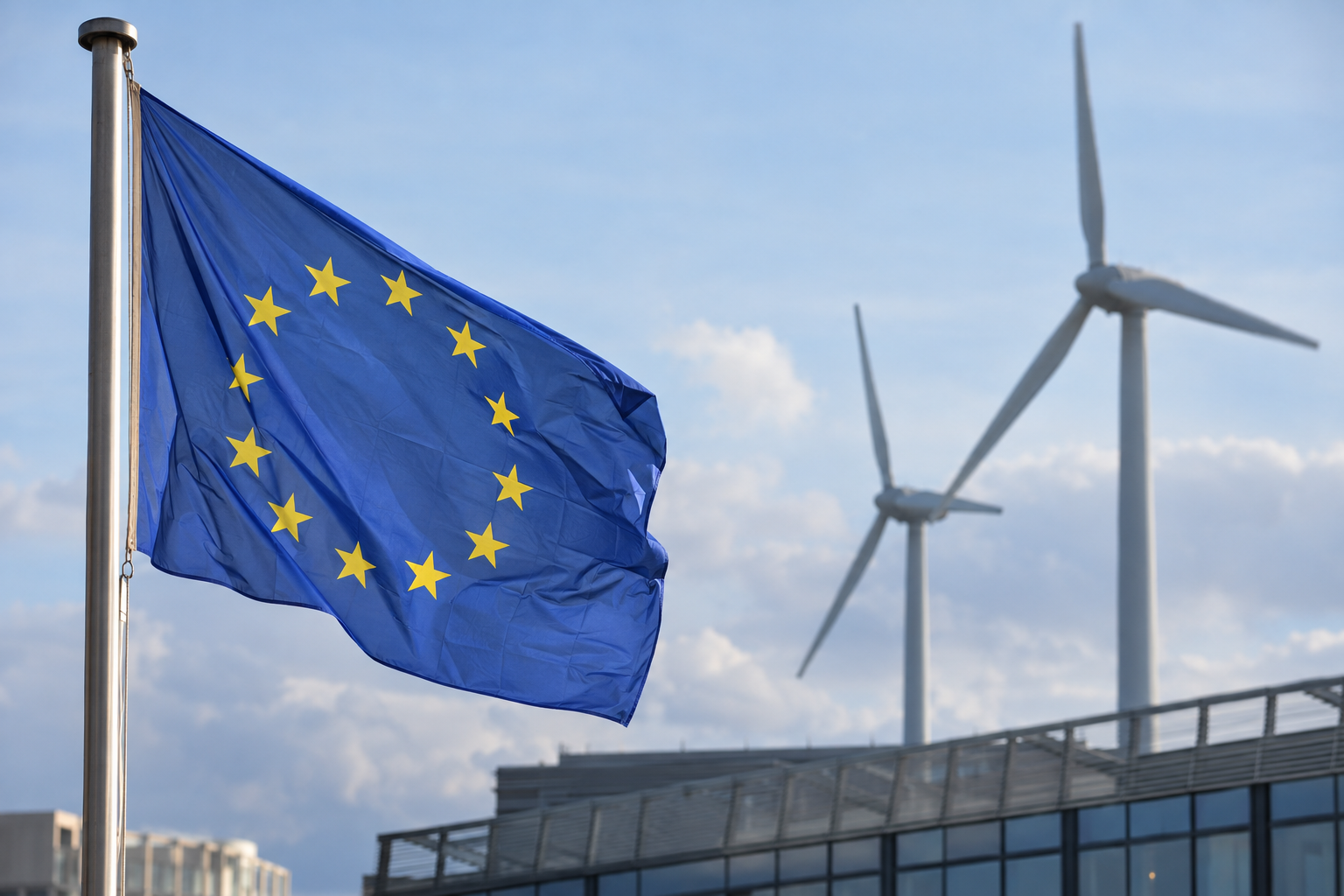
Leaders from Germany, France, Spain and Italy will not attend the COP31 Leaders’ Summit in Antalya on 11 November 2026, leaving prominent gaps in Europe’s representation at the gathering. Denmark, Ireland and the Netherlands will also be absent at leadership level. Their governments remain represented at the wider climate conference, but the distinction raises a question for the summit: how much diplomatic weight can a meeting of leaders carry when several major European figures stay away?
The attendance gaps come as the European Union reports continued emissions reductions while facing criticism over its climate policies. Provisional figures released by Brussels show that net greenhouse gas emissions across the 27-nation bloc fell by 1.6 per cent in 2025 from 2024 and stand 39 per cent below 1990 levels. Those figures provide a measurable backdrop to Europe’s participation, although neither the reductions nor the attendance list alone establishes how much influence the EU will have over the conference’s outcome.
This year’s COP is hosted by Türkiye and Australia, with EU and other world leaders gathering in Antalya for the leadership meeting. The leaders’ event is distinct from the wider negotiations, a distinction that matters when assessing the absences. Germany, France, Spain, Italy, Denmark, Ireland and the Netherlands have negotiators and government officials at the conference. Those representatives will help shape the written agreement that concludes the COP process, even without their national leaders participating in the summit.
Read more: California voters reject proposed 5% billionaire wealth tax, projections show
European Commission President Ursula von der Leyen will formally represent the EU and is scheduled to deliver a speech on 11 November 2026. Her presence means the bloc will have representation at the leadership gathering despite the national absences. It does not, however, erase the difference between a collective EU appearance and attendance by individual heads of government. The available attendance information does not establish why each leader is staying away, and their absence should not automatically be read as withdrawal from the negotiations.
The European gaps also sit alongside the absence of the US administration under President Donald Trump. The Trump administration is staying away from the COP for the second consecutive year after Trump withdrew the country from the negotiations, having described climate change as a “hoax”. That withdrawal differs from the position of the European countries whose leaders are not attending: their officials remain involved in negotiating the conference agreement, rather than their governments leaving the process altogether.
There is nevertheless a separate channel of American participation. Following the Democrats’ victory in last week’s midterm elections, a delegation of 19 members of Congress made a late decision to attend COP31. The congressional delegation therefore qualifies any suggestion that American political figures will be entirely absent. Its planned attendance should also be distinguished from renewed participation by the Trump administration: the presence of lawmakers does not by itself establish that the administration has reversed its withdrawal from the negotiations.
Read more: Whitmer asks Trump administration to end food tariffs and reimburse Michigan residents
For the EU, the emissions data offer a firmer basis for assessing progress than the visibility of individual leaders. The reported 1.6 per cent decline measures the change in 2025 from 2024, while the 39 per cent reduction uses 1990 as its reference point. These are different measures of the bloc’s record, not interchangeable descriptions of its recent performance. The latest annual figures are also provisional. They indicate that emissions have continued to fall, but do not on their own demonstrate whether the EU will achieve its longer-term objectives.
Those objectives remain a 90 per cent emissions reduction by 2040 and net-zero emissions by 2050. The targets give Europe’s conference participation a longer horizon than the leaders’ meeting itself. They also make it important to distinguish between a recorded reduction, a future commitment and the policies intended to connect them. Missing national leaders may affect perceptions of political engagement, but attendance alone cannot settle whether the bloc’s stated goals will be met or how its negotiating position will translate into an agreement.
Environmental groups challenge the EU’s record on a different basis, accusing it of weakening its climate approach over the past two years by repeatedly easing regulations for companies. That criticism sits alongside, rather than necessarily contradicting, the reported emissions decline: one concerns changes to policy, while the other measures emissions already recorded. Together, they complicate a simple assessment of European leadership. The bloc can point to lower emissions, while critics question whether its regulatory decisions are consistent with its future commitments.
Attention now turns to von der Leyen’s speech and the negotiations over the written deal. The national absences leave the leaders’ gathering with a narrower European presence, but the wider conference still includes the officials responsible for negotiating on their governments’ behalf. Its diplomatic significance will therefore need to be judged separately from its attendance list. The immediate test is what those representatives can agree, while the longer-term question is whether European policy delivers the reductions the bloc has committed to pursue.