Technology · Technology
CEATEC opens in Chiba with 821 exhibitors and a focus on AI
The four-day technology exhibition brings together 821 companies and organizations, with a record 246 startups and universities participating and more than 110,000 visitors expected.
By Arlen Mossett · 3 min read
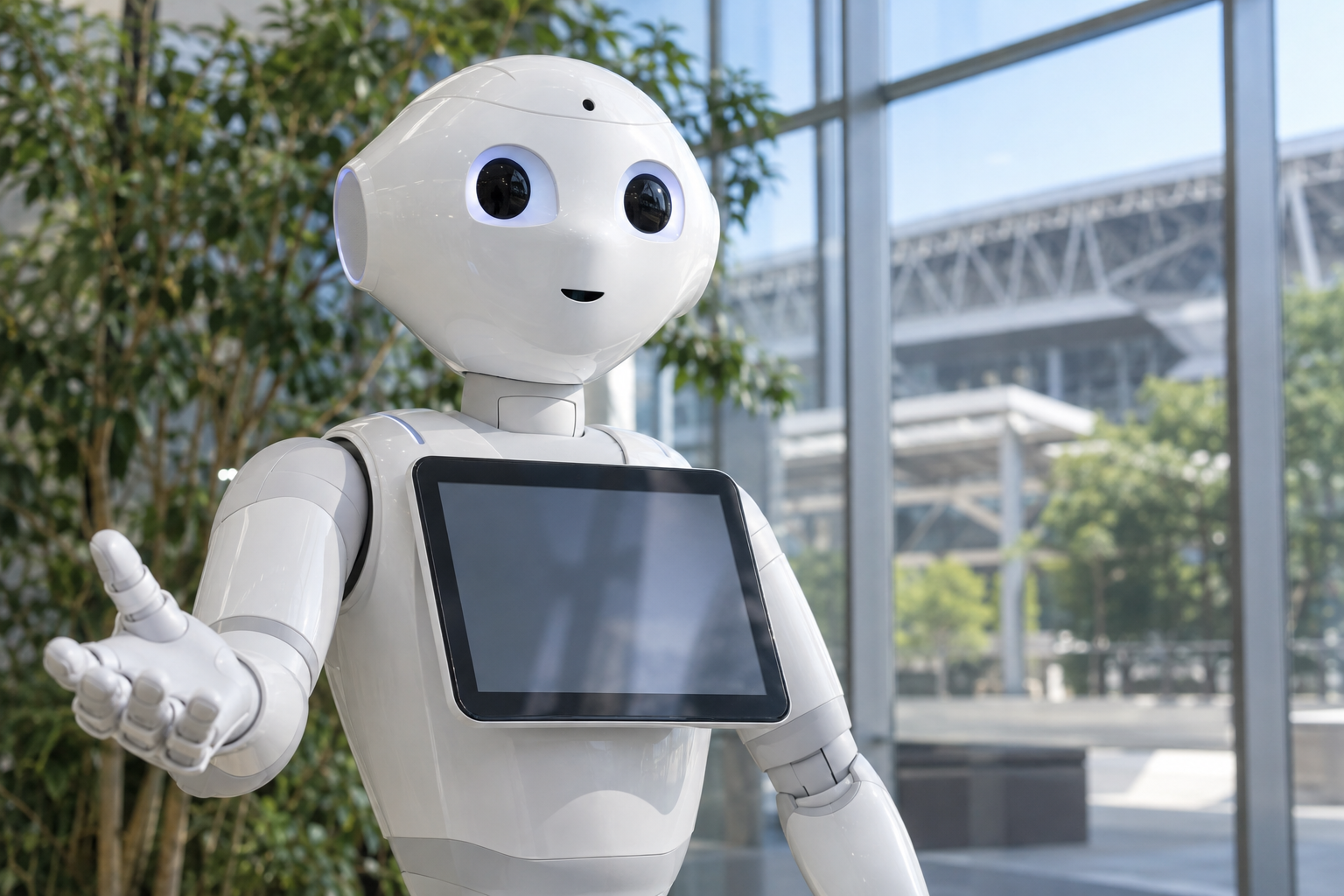
CHIBA — Artificial intelligence applications for manufacturing and infrastructure were among the technologies presented as CEATEC 2026 opened on Tuesday at Makuhari Messe in Chiba. The international exhibition brings together companies and organizations from Japan and abroad, with displays ranging from systems that distinguish sounds in noisy workplaces to tools intended to improve infrastructure operations and protect organizations against cyberattacks. The opening highlighted practical uses of emerging digital technology.
The four-day exhibition has 821 participating companies and organizations. Its lineup includes a record 246 startup companies and universities, as well as 194 overseas firms and organizations representing 31 countries and regions. More than 110,000 visitors are expected. Those figures describe an event that combines established technology suppliers, startups and academic participants with an international contingent, although the visitor number remains a forecast rather than a measure of attendance already recorded at the venue.
Takashi Niino, chair of the Japan Electronics and Information Technology Industries Association, which organizes CEATEC, used the opening ceremony to connect technological development with broader social objectives. He said that, as societal challenges become increasingly complex, it is important not only to create new technologies but also to change the future of industries, society and people’s lives for the better. His remarks offer a way to view the exhibition, distinguishing the ability to demonstrate a technology from the larger ambition of applying it to practical problems and delivering improvements.
Read more: Europe’s privacy regulators scrutinise smart-glasses recording alerts and liability
Mitsubishi Electric demonstrated an AI system capable of recognizing abnormal sounds and human voices amid the noise of manufacturing environments. Its display focused on the specific industrial task of sound recognition. The setting is central to the application: the technology is designed to identify relevant sounds even when other noise is present. The demonstration therefore illustrates how AI can be directed at a defined workplace problem, with the ability to distinguish sounds as its stated capability.
Hitachi’s presentation addressed a different operational challenge: improving the efficiency of social infrastructure through AI. The company highlighted work involving railways and power systems, placing infrastructure management alongside manufacturing among the exhibition’s applications. These displays share an emphasis on operations, but their objectives differ. Mitsubishi Electric’s demonstration concerned identifying sounds in an industrial setting, while Hitachi presented efforts to make infrastructure operation more efficient. The latter is an objective of the work described, rather than a quantified efficiency gain announced at the exhibition.
NEC, meanwhile, presented a service intended to defend organizations against cyberattacks. Its focus on protection adds another dimension to the exhibition’s emphasis on digital technologies. Alongside the AI applications shown by Mitsubishi Electric and Hitachi, the service places organizational security within the range of business needs addressed on the exhibition floor. The presentations thus offer differing priorities—recognition, operational efficiency and protection—rather than a single measure by which the technologies’ usefulness or progress can be judged.
Read more: UK’s AI minister warns cyber defences are likely to be breached
The participation figures also require distinctions. The record 246 applies to startup companies and universities together, not to startups alone. It indicates the scale of that combined group at this year’s exhibition without establishing how participation is divided between its members. Similarly, the overall count of 821 companies and organizations captures the breadth of the exhibitor lineup; it does not measure commercial adoption of the products and services being presented. Those are different questions from the scale of the gathering itself.
International participation is reflected in the 194 overseas firms and organizations from 31 countries and regions. That geographic reach sits alongside the presence of Japanese companies such as Mitsubishi Electric, Hitachi and NEC. Together with the startup and university contingent, it gives CEATEC a mix of institutional and commercial participants. The figures establish the international scope of the event, while the individual presentations offer a more specific picture of the problems some exhibitors are seeking to address through digital technology.
A parallel gathering expands the business context at Makuhari Messe. The Japan Mobility Show bizweek 2026, organized by the Japan Automobile Manufacturers Association, opened at the same venue, with more than 200 companies and organizations, including automakers, taking part. That event provides opportunities for business discussions and collaboration. Its concurrent opening puts a mobility-focused business gathering alongside CEATEC’s digital technology displays, although its participation count is separate from the figures describing the technology exhibition.
Over the four-day event, CEATEC’s demonstrations will be accompanied by the expected arrival of more than 110,000 visitors, while the mobility gathering offers its own opportunities for commercial discussions. The immediate focus is on presenting technologies and their proposed applications. Niino’s opening message sets a broader standard: whether innovation improves industry and everyday life. The exhibitor counts establish the scale of the showcase; the operational ambitions described by the companies explain what some of that technology is intended to achieve.