European technology · Technology
Europe’s privacy regulators scrutinise smart-glasses recording alerts and liability
The scrutiny of smart glasses brings recording warnings and legal responsibility into a wider European debate over privacy and technology safeguards.
By Arlen Mossett · 4 min read
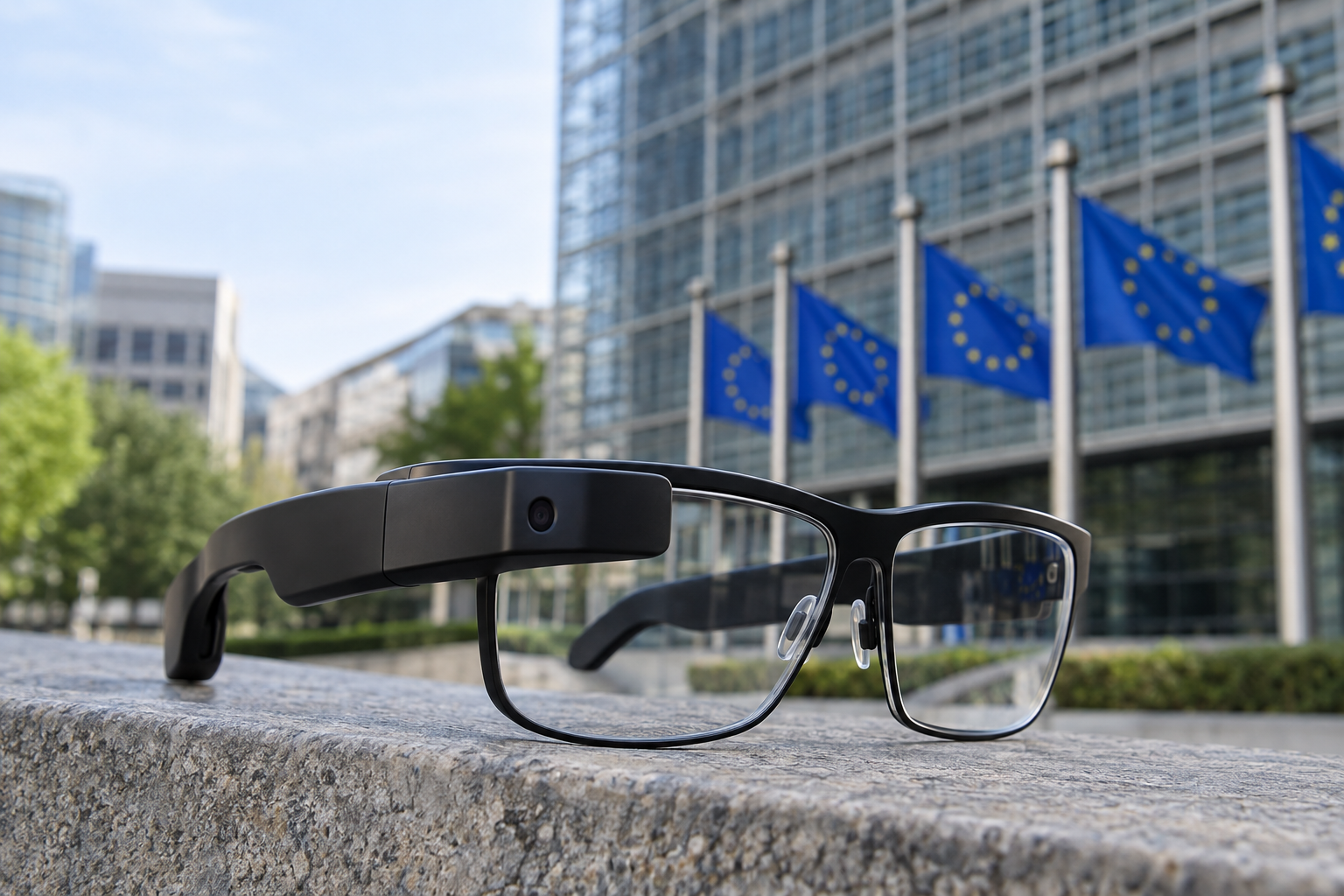
European privacy regulators are intensifying scrutiny of smart glasses, focusing attention on recording alerts and liability. The intervention brings together questions about how people are made aware of recording and who should bear responsibility when technology causes harm. Details of the authorities involved, the companies affected and any specific enforcement measures are not identified in the available material, limiting conclusions about the immediate consequences for manufacturers or users and the scope of the regulatory action.
There is also no disclosed figure for the number of devices, users or complaints involved in the smart-glasses scrutiny. Separate research illustrates the wider privacy concerns surrounding emerging technology: 50 European Union lawmakers, including 46 women, were identified as targets of deepfake pornography in research released in October. Those figures concern a different technology and should not be read as evidence of misuse of smart glasses. They nevertheless provide context for a European policy debate concerned with the people affected by technology, not only those using it.
For smart glasses, the emphasis on recording signals puts the question of notice at the centre of that debate. A warning light or sound addresses whether someone can recognise that recording is taking place; liability addresses responsibility for what follows. These are related but distinct issues. An assessment of the first would not, by itself, settle the second. The available information does not establish a required signal design, an agreed standard for its effectiveness or a particular allocation of legal responsibility.
Read more: CEATEC opens in Chiba with 821 exhibitors and a focus on AI
That distinction matters when assessing what a regulatory crackdown might accomplish. More conspicuous alerts could be intended to make recording easier to identify, but an alert alone would not answer every question about subsequent use of a recording. Equally, a debate about liability does not establish that a particular manufacturer or wearer has broken a rule. Without details of individual proceedings or regulatory decisions, it is too early to characterise the scrutiny as a ban, a product redesign requirement or a finding of wrongdoing.
The liability question also has a broader European backdrop. The EU shelved proposed AI liability rules, while OpenAI chief executive Sam Altman has since helped renew discussion of the subject. That debate is relevant as context rather than as an explanation of the smart-glasses action: the available information does not connect the regulatory scrutiny to those shelved rules. It does, however, place responsibility for technological harm alongside the separate debate over what safeguards should exist before a product or system is used.
Competing views on technology policy are evident in the wider AI discussion. Altman has argued that the world should accept some harmful outcomes for AI’s benefits, while seeking to distinguish his position from that of rival developer Anthropic. EU technology chief Henna Virkkunen, meanwhile, has said that Washington’s opposition to global AI regulation will not prevent Brussels from pursuing an international safety system. Neither position is presented as a direct response to the smart-glasses scrutiny, but they frame the broader tension between enabling technological development and establishing protections.
Read more: UK’s AI minister warns cyber defences are likely to be breached
European institutions are also examining potential uses of AI while confronting privacy concerns. The EU cybersecurity agency ENISA and the Joint Research Centre have confirmed that they are testing Chinese open-source AI models. Separately, plans involving AI at Europol have raised privacy concerns. These developments show that the policy discussion extends beyond consumer products. They should not be conflated with smart-glasses scrutiny, however: testing AI models, considering policing tools and examining recording devices involve different activities, and the supplied information establishes no common regulatory proceeding.
Elsewhere, governments are pursuing more explicit limits on access to digital services. Turkey has banned social media for children under 15, amid a broader push for tougher age restrictions. That threshold is concrete in a way the available smart-glasses details are not. It also concerns who may use a service, rather than how a recording device signals its operation or how liability is assigned. The contrast underscores why a general description of tougher technology oversight cannot substitute for the terms of a particular measure.
The distinction is equally important in interpreting the figures on deepfake abuse. The research identifies 50 lawmakers as targets and specifies that 46 were women. It does not supply a measure of smart-glasses adoption, recording practices or the effectiveness of warning signals. Using those numbers to quantify the case against the devices would therefore go beyond the evidence. Their relevance is narrower: they document a separate privacy problem within the same European political environment in which regulators are examining smart glasses.
The next substantive questions are which recording warnings regulators consider adequate and how they approach responsibility for harm. The available information supplies no implementation deadline, penalty amount or compliance timetable for the smart-glasses scrutiny. It establishes increased regulatory attention to notice and accountability, but does not establish a settled set of obligations. The eventual practical consequences will depend on the specific measures and legal findings, not simply on the broader direction of Europe’s technology debate.