Alternative investing · Investing
FranShares pitches franchise stakes from $500 to investors seeking passive income
The Chicago startup connects investors with franchise operators seeking expansion capital, although its latest offerings as of July 2024 were restricted to accredited investors.
By Elva Norreth · 4 min read
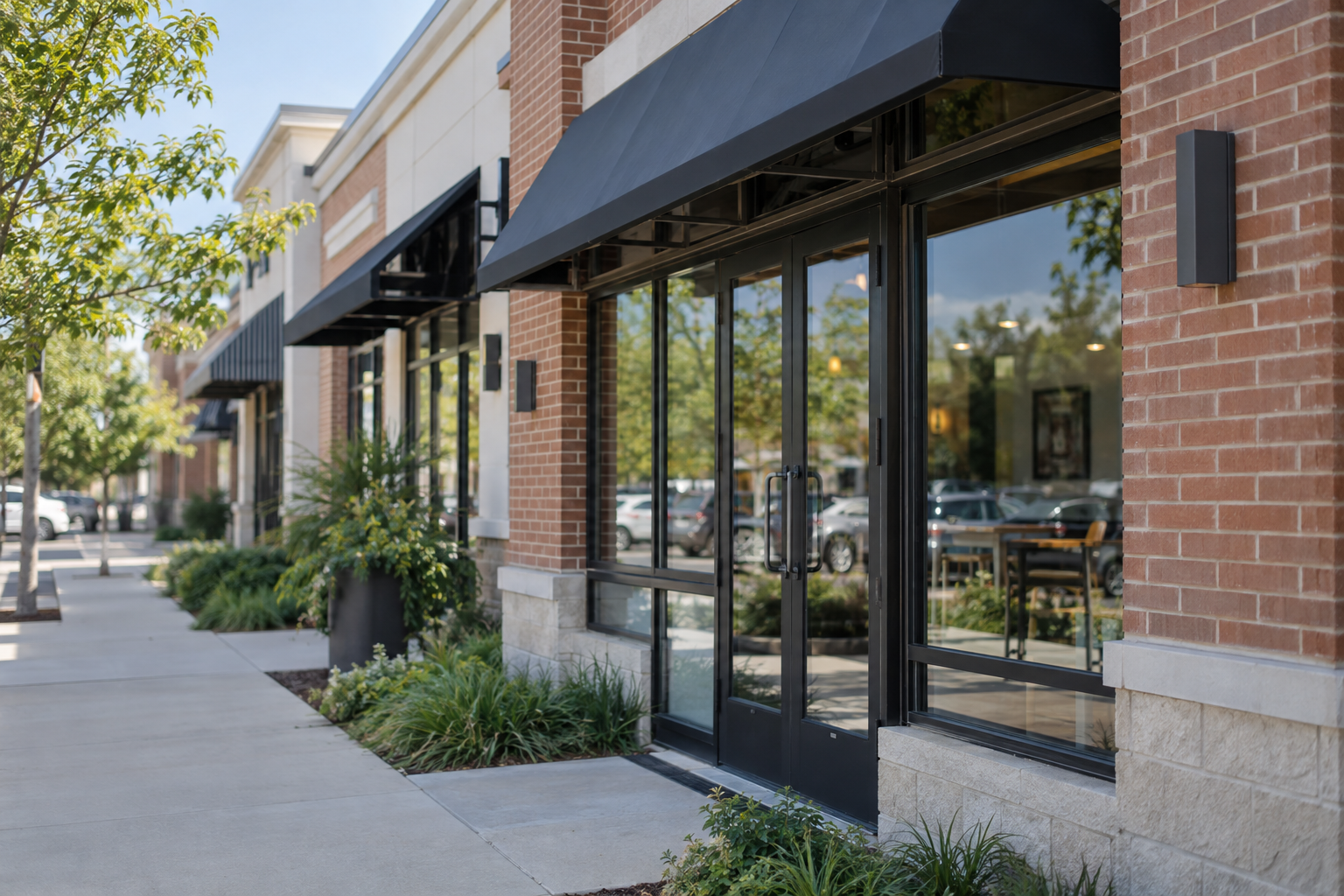
FranShares is offering investors a way to buy into franchise businesses with as little as $500, seeking to make ownership accessible without requiring them to run a location themselves. The Chicago-based startup connects investors seeking passive income with operators looking for expansion capital. Its proposition separates investing in a franchise from managing one: investors acquire fractional ownership, with the possibility of receiving distributions from profits left over by the business.
As of July 2024, FranShares reported an investor community of about 43,000, with nearly half either millennials or Gen Z. The $500 entry point contrasts with upfront costs for quality franchises that typically begin at a minimum of $100,000 and can reach into the millions. That difference is central to the platform’s appeal, but the investments represent different forms of participation. Buying a fractional stake gives an investor exposure to a business rather than the role of operating a franchise location.
The distinction starts with the franchise structure. A franchisor owns and licenses a business model, while a franchisee purchases a licence and operates one or more locations. McDonald’s is an example of a franchisor. For prospective franchisees, finding or borrowing the money needed to open a business can be a substantial obstacle. FranShares aims to connect operators with outside investors, giving those investors an alternative to rental property, a more familiar route to passive income, without asking them to take on day-to-day management.
Read more: Survey suggests fear of missing out on AI is drawing some family offices toward technology
The broader market is substantial: franchises generated about $859 billion in US revenue in 2023. That figure provides a measure of the sector’s scale, rather than an indication of what a particular investment might earn. The FranShares proposition rests on potential distributions of excess profits, not simply on the revenue a franchise generates. For investors evaluating the offering, the distinction between sales and distributable profits matters: participation in a large industry is not, by itself, evidence of income from an individual holding.
As of July 2024, investments through the platform had covered three industries: food, children’s fitness and waste management. Brands included Teriyaki Madness, Smash My Trash and Hawaiian Bros. The investor base also extended beyond smaller individual accounts, encompassing retail and accredited investors, family offices and private equity investors seeking diversification. That mix illustrates the breadth of the marketplace FranShares is trying to build. It also places the low minimum investment alongside a business serving investors with different resources and eligibility, rather than making every opportunity equally accessible.
For operators, founder and chief executive Kenny Rose presents the marketplace as an alternative to bank borrowing or private equity when financing expansion. Rose founded FranShares in 2020 after working with over 600 franchise brands across more than 100 industries. He previously spent three years as a franchise consultant before establishing the brokerage Semfia. He has also described a goal of widening ownership opportunities for minority businesspeople who have worked in franchises for much of their careers without becoming owners themselves.
Read more: Deadly Houthi attacks hit Riyadh airport as oil rises
That access message comes with an important qualification. The most recent opportunities as of July 2024, involving Kidokinetics and BraveHart/Hawaiian Bros., were restricted to accredited investors, although FranShares said it had previously offered investments to non-accredited investors. The platform’s broad pitch therefore needs to be read alongside the eligibility conditions for an individual offering. There are also disclosure requirements: franchisors must provide financial information, executive backgrounds and litigation disclosures under Federal Trade Commission oversight. FranShares’ investment offerings are separately subject to Securities and Exchange Commission regulations.
The marketplace expanded its scope in late June 2024, when it first offered an opportunity to invest in a franchisor rather than only in franchisees and their locations. Kidokinetics, which provides sports enrichment and physical education programmes for children, sought investment through a capital raise with a goal of $600,000 as it prepared to add dozens of locations across North America. The offering broadened the platform’s approach to franchise ownership, allowing eligible investors to back the company licensing the business model rather than a business operating particular outlets.
By July 2024, FranShares had secured $4.2 million in seed financing to develop its own business, with Chicago Ventures leading the round. Other participants included The Pitch Fund, Litquidity Ventures and Furnished Finder founders Aaron Hashim and Brian Payne. The company previously raised $1. This financing backs the marketplace itself, distinct from the capital franchise businesses seek from its investors. Its development by then included both the established location-level investment approach and the newer opportunity to invest directly in a franchisor.
Rose’s longer-term ambition, as described in July 2024, was to make franchise investment available across a wider range of businesses, including areas such as haircare and automotive services, rather than treating franchising primarily as a fast-food market. FranShares also planned eventually to add real estate, allowing investors to combine that exposure with their franchise holdings. Rose envisaged customers being able to scan a QR code inside a franchise outlet and invest in its expansion. At that point, the investment proposition remained fractional ownership, conditional profit distributions and access determined by each offering.