Financial stability · Opinion
Hedge funds’ bond-market role warrants closer scrutiny
A Bank of England warning strengthens the case for examining financial fragility, but does not establish that hedge funds caused the recent government-bond sell-off.
By Editorial Board · 4 min read
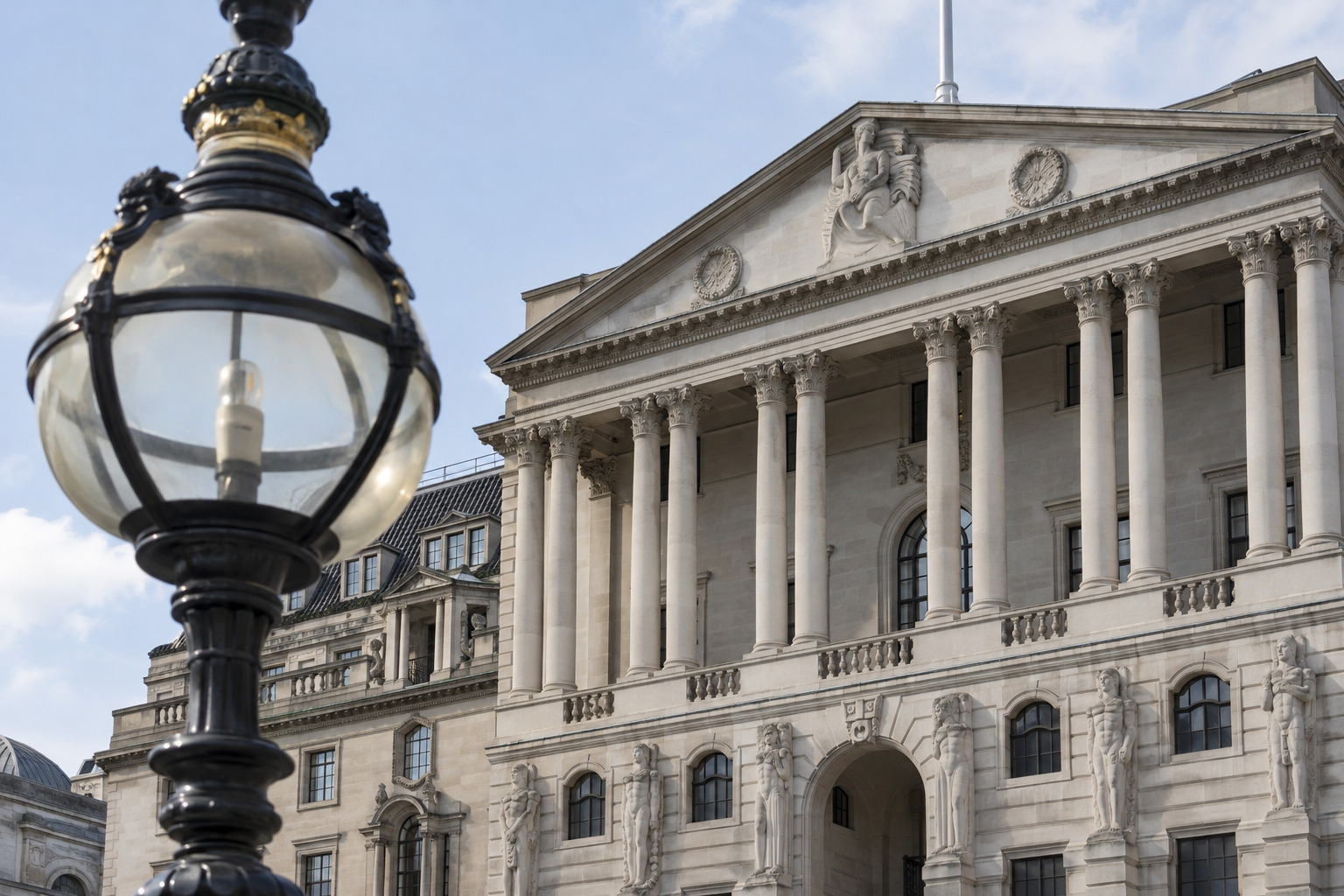
A warning about hedge funds’ expanding role in bond markets deserves attention without being treated as a prediction of imminent disruption. Bank of England deputy governor Sarah Breeden has said their increased presence in global bond markets makes a wider market shock more likely than before. Her assessment points towards a question of financial fragility: whether a change in who participates in these markets could make disturbances harder to contain. It does not, by itself, establish that such a disturbance is approaching.
The warning follows a sharp sell-off in government bonds globally in recent weeks. That sequence gives the assessment immediate relevance, but the available account supplies no figures for hedge funds’ holdings, the scale of their increased presence or the magnitude of the bond-market decline. Nor does it quantify the change in the probability of a broader shock. Those omissions limit the conclusions that can responsibly be drawn. The concern is about a heightened risk, not a measured forecast of its timing or severity.
Breeden’s position is the clearest argument for closer scrutiny: a larger hedge-fund presence may matter not simply for individual investors but for the resilience of the wider market. The important distinction is between losses within a particular group and disruption extending beyond it. Her warning concerns the latter possibility. If a change in market participation can increase that possibility, scrutiny should seek to understand the connection rather than wait for a shock to reveal whether the concern was justified.
Read more: Iran says two tankers struck mines amid sharp fall in Hormuz oil flows
The recent sell-off provides context, not proof of the mechanism. It would be an unsupported leap to conclude that hedge funds caused the decline, that they intensified it, or that their behaviour during it demonstrated the vulnerability Breeden identifies. None of those propositions is established by the information available. Analysis should therefore keep the observed event separate from the assessment of future risk. A market decline can make a warning more pressing without resolving the question of who or what drove that decline.
A useful examination would distinguish the extent of hedge funds’ presence from the consequences of that presence. More participation alone does not explain how a broader shock would develop. The relevant questions would include whether exposures are concentrated, whether funds might respond similarly under pressure and whether other participants could accommodate changes in their activity. These are questions for investigation, not findings about current conditions. Their value is in making the warning testable rather than allowing a general concern to become a substitute for evidence.
The strongest caution against moving from warning to intervention is therefore evidentiary. Without measures of market presence or an explanation of how increased participation would transmit stress, it is difficult to judge the scale or design of any response. Treating every hedge fund as presenting the same risk would also require evidence that is not supplied here. A proportionate approach would ask which activities might create fragility and under what circumstances, rather than treating the identity of a market participant as a sufficient diagnosis.
Read more: Egypt considers assistance as Saudi Arabia reports incoming fire
That caution should not be presented as an industry rebuttal. No response from hedge funds, or contrary assessment from another official, is included in the available material. Breeden’s warning is the only stated position, and inventing an opposing camp would create an appearance of balance without its substance. The genuine analytical tension is between taking an identified risk seriously and recognising the limits of the evidence presented. Both considerations can shape an assessment without implying that the competing claims have already been settled.
There is also a distinction between closer scrutiny and a predetermined regulatory conclusion. Examining a potential vulnerability need not assume that restrictions are warranted. Equally, the absence of figures in this account should not be treated as evidence that the vulnerability is negligible. Scrutiny would be most useful if it clarified what has changed, how that change might affect market resilience and which observations would support or weaken the concern. That approach would leave room for a response calibrated to findings rather than to anxiety alone.
What comes next, analytically, is a demand for specificity. Evidence on the nature of hedge funds’ growing participation would help distinguish a change in market composition from a change with broader consequences. An explanation of the possible transmission of stress would make the risk assessment more informative. Neither requires assuming that the recent sell-off was a hedge-fund event. Keeping those questions separate would allow examination of present conditions while avoiding an unsupported retrospective account of why government bonds fell.
Breeden’s warning thus supports a case for attention, not a verdict against an entire class of investors. The recent decline gives that case urgency; the lack of quantified detail in the available account calls for restraint in interpreting it. A sober assessment can hold both points together. The task is to determine whether greater hedge-fund participation has made bond markets more fragile, through what channels and with what implications. Until that is clearer, neither reassurance nor alarm should outrun the evidence.