Japan · World
Japan withdraws earthquake warning minutes after forecasting widespread strong shaking
The alert followed a magnitude 6.9 earthquake off the Kamchatka Peninsula; agency data showed light shaking in Hakodate, and no tsunami warnings or advisories were issued.
By Ilan Corven · 3 min read
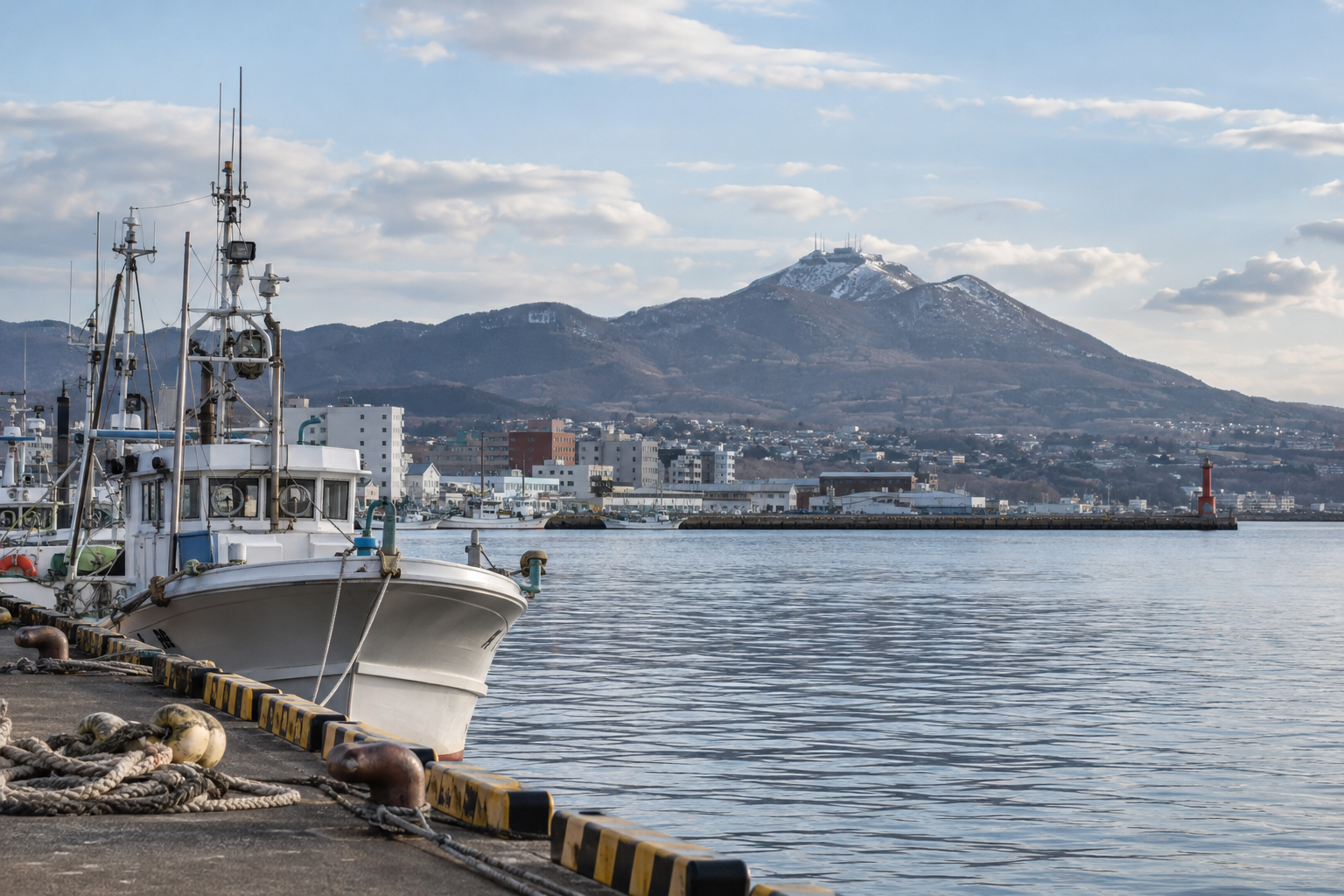
The Japan Meteorological Agency cancelled an earthquake early warning on Friday afternoon after forecasting strong shaking across northern, eastern and central Japan. The alert, issued following an earthquake near the Kuril Islands, activated alarms on public speakers and mobile phones before being withdrawn minutes later. The reversal on Oct. 16, 2026, left a contrast between the broad area covered by the initial forecast and the light shaking reported in Hakodate in the available agency data.
The earthquake, with a magnitude of 6.9, struck off the Kamchatka Peninsula at around 12:36 p.m. The agency issued its warning at 12:40 p.m. and withdrew it at 12:48 p.m. It issued neither a tsunami warning nor a tsunami advisory. Those figures establish the sequence from the earthquake to the public alert and its cancellation, but do not explain why the agency initially expected strong shaking over such an extensive part of Japan.
The warning’s geographical reach was a central feature of the episode. It was not confined to the location where light shaking was reported: the forecast encompassed northern, eastern and central Japan. That distinction matters in assessing what happened, because the warning described expected conditions across a broad area rather than a confirmed account of shaking throughout those regions. Its subsequent withdrawal changed the agency’s public message without changing the reported occurrence of the offshore earthquake.
Read more: Reported ship attacks near Hormuz reach wartime weekly record as oil flows slow
The alert also moved beyond an agency notice, setting off alarms on public speakers and mobile phones. Both channels were activated when the warning went out at 12:40 p.m. The available account does not establish how many people received it or describe their responses. Its reach therefore can be stated in terms of the regions covered and the methods used to deliver it, but not as a measured number of residents, phones or communities affected.
Agency data identified Hakodate as a city where the 12:36 p.m. earthquake was felt lightly. That observation provides a concrete point of comparison with the initial forecast of strong shaking. It does not, by itself, establish the conditions at every location covered by the warning. The supported distinction is narrower: the agency forecast strong shaking across several regions, while the observation specified in the available data described light shaking in Hakodate rather than the strong shaking anticipated by the alert.
The magnitude figure and the report from Hakodate also describe different aspects of the event. The 6.9 figure was assigned to the earthquake centred off the Kamchatka Peninsula; the description of light shaking concerned what was felt in the Japanese city. Treating the magnitude as confirmation that strong shaking occurred throughout the warning area would go beyond the reported observations. Equally, the cancellation of the warning does not mean that the earthquake itself did not take place.
Read more: EU leaders to discuss China, Ukraine and next budget
The absence of a tsunami warning or advisory is a separate part of the official response. The public alert that was issued and then cancelled concerned anticipated earthquake shaking, not an announced tsunami threat. Keeping those messages distinct is important to an accurate account of the afternoon: alarms sounded for the earthquake early warning, while no tsunami warning or advisory accompanied the event. The withdrawal therefore should not be described as the cancellation of a tsunami alert.
The chronology provides a clear record of the changing warning status, though not its technical cause. The earthquake occurred at around 12:36 p.m.; an alert followed at 12:40 p.m.; and the agency called it off at 12:48 p.m. None of those times establishes what assessment led to the initial forecast or what prompted the later decision. A conclusion about a particular technical fault, calculation or operational mistake would require information beyond the reported sequence.
There are no attributed competing explanations in the available account for why the forecast and the reported shaking differed. The evidence instead supports a comparison between the agency’s initial expectation and the observation reported in its data for Hakodate. The cancellation is established, but a judgment about whether the initial decision was justified cannot be drawn from the magnitude, warning times and geographical coverage alone. Nor do those details establish how the episode affected public confidence in the warning system.
The principal unresolved question is why the agency forecast strong shaking over such a wide area before withdrawing the alert. No explanation for that decision, or timetable for a further account, is included in the available information. For now, the confirmed outcome is limited: the warning was cancelled at 12:48 p.m., Hakodate experienced light shaking according to agency data, and no tsunami warning or advisory was issued following the earthquake.