Museum leadership · Culture
Louvre Abu Dhabi appoints Souraya Noujaim as director
The museum’s former scientific, curatorial and collections management director returns to lead the institution after founding director Manuel Rabaté announced his resignation.
By Oren Valcett · 3 min read
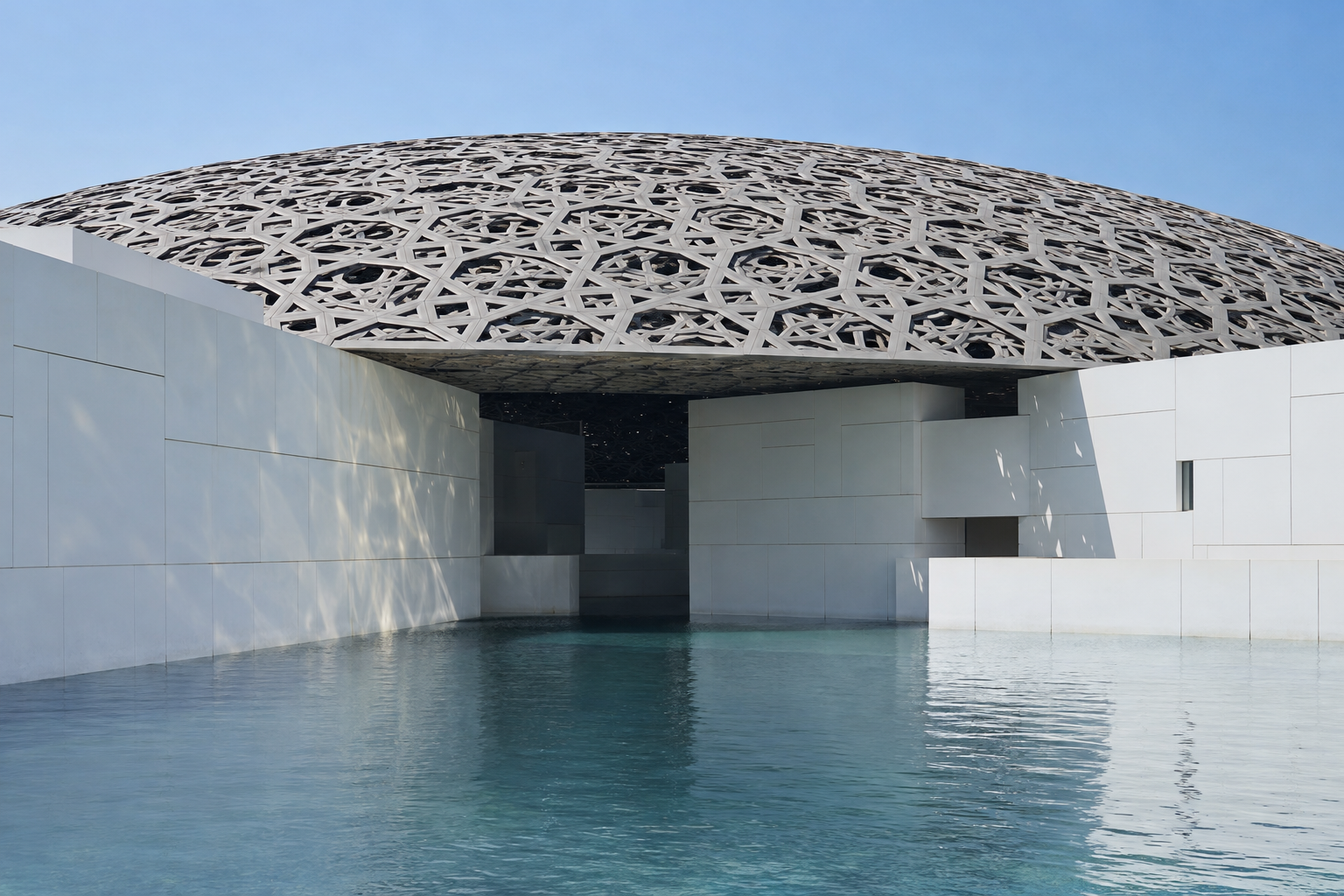
Louvre Abu Dhabi has appointed Souraya Noujaim as director, bringing a former senior member of its curatorial leadership back to head the United Arab Emirates museum. The appointment follows founding director Manuel Rabaté’s announcement in February that he would resign. Noujaim’s return places an official with direct experience of the institution’s collections, exhibitions and scientific work in its top post.
Noujaim was the museum’s first scientific, curatorial and collections management director, serving from February 2018 until April 2023. Her record also includes curating the 2025 exhibition Mamluks: Legacy of an Empire and spearheading Art Here, the contemporary art exhibition that accompanies the annual Richard Mille Art Prize. Those responsibilities give context to the appointment: her previous work touched both the museum’s collections function and its public exhibition programme.
The succession marks a transition from Rabaté, the museum’s founding director, to someone who contributed to its development in another leadership capacity. Noujaim’s earlier position combined scientific and curatorial responsibilities with collections management, a remit distinct from the directorship she now assumes. She returns with experience of several areas of museum work, while taking on a different role at the head of the institution.
Read more: Israel marks three years since Oct. 7 as Netanyahu faces scrutiny over warnings
In a statement, Noujaim described the appointment as a return to an institution she had helped develop. She said she was “honoured to return to Abu Dhabi” and referred to the opportunity to lead the museum “into its next chapter”. Her emphasis was on her existing relationship with the institution. The statement acknowledged that history and described the museum’s established identity as a place where cultures meet.
Her professional experience also includes senior responsibilities at the Musée du Louvre in Paris. Before joining Louvre Abu Dhabi, she directed the Paris museum’s Department of Islamic Arts and headed the French Grand Department of Islamic Art Heritage. Born in Beirut, Noujaim holds a PhD in Islamic Art History and Archaeology from Paris Nanterre University. Her background therefore combines academic training in a defined field with experience managing museum departments and overseeing curatorial and collections work.
The Mamluks exhibition provides a concrete example of her curatorial activity alongside those management credentials. Dated 2025, it also belongs to a later point in her career than the February 2018-April 2023 period of her first senior appointment at Louvre Abu Dhabi. The distinction matters in describing her record: her experience is not represented solely by the dates of that initial post, but also by subsequent exhibition work.
Read more: Trump heads to San Antonio for Paxton as Democrats eye Texas Senate opening
Art Here represents a different part of that record. The contemporary art exhibition accompanies the Richard Mille Art Prize, which is held annually, and was among the initiatives Noujaim spearheaded. Its place in her work broadens the picture beyond her academic specialism in Islamic art history and archaeology. It also gives her leadership background a public-facing dimension, alongside the scientific and collections management responsibilities that formed part of her earlier title at the museum.
Taken together, these roles point to both specialist depth and a wider range of curatorial responsibilities. Her Islamic art credentials and the Mamluks exhibition sit alongside involvement in a contemporary art initiative, rather than defining the entirety of her museum experience. That range provides context for her own account of Louvre Abu Dhabi, which stresses the presentation of different cultures. It does not, however, establish what balance future exhibitions will strike between those areas.
Noujaim described the museum as “a place where cultures meet” and said its presentation of stories from around the world worked through “shared human experiences”. Those remarks place the emphasis on connections across cultures rather than on a single field of scholarship. The two aspects of her profile are not necessarily competing approaches: her specialist training provides one part of her experience, while the institutional purpose she outlined is broader than that expertise alone.
The appointment brings that combination of institutional familiarity and curatorial experience to a new leadership role. Her return is a concrete change in responsibility; the direction of future programming is a separate question from the appointment itself. For now, Noujaim’s stated emphasis is on the museum’s role in bringing cultures into conversation. Her earlier work on collections and exhibitions supplies the background to her return as she takes over the directorship following Rabaté’s resignation announcement.