Mexico · Culture
Mexico’s military puts Chapultepec museum plans on hold after opposition
Authorities are seeking another location for a proposed military museum after resistance from residents and Mexico City’s mayor to building in Bosque de Chapultepec.
By Oren Valcett · 3 min read
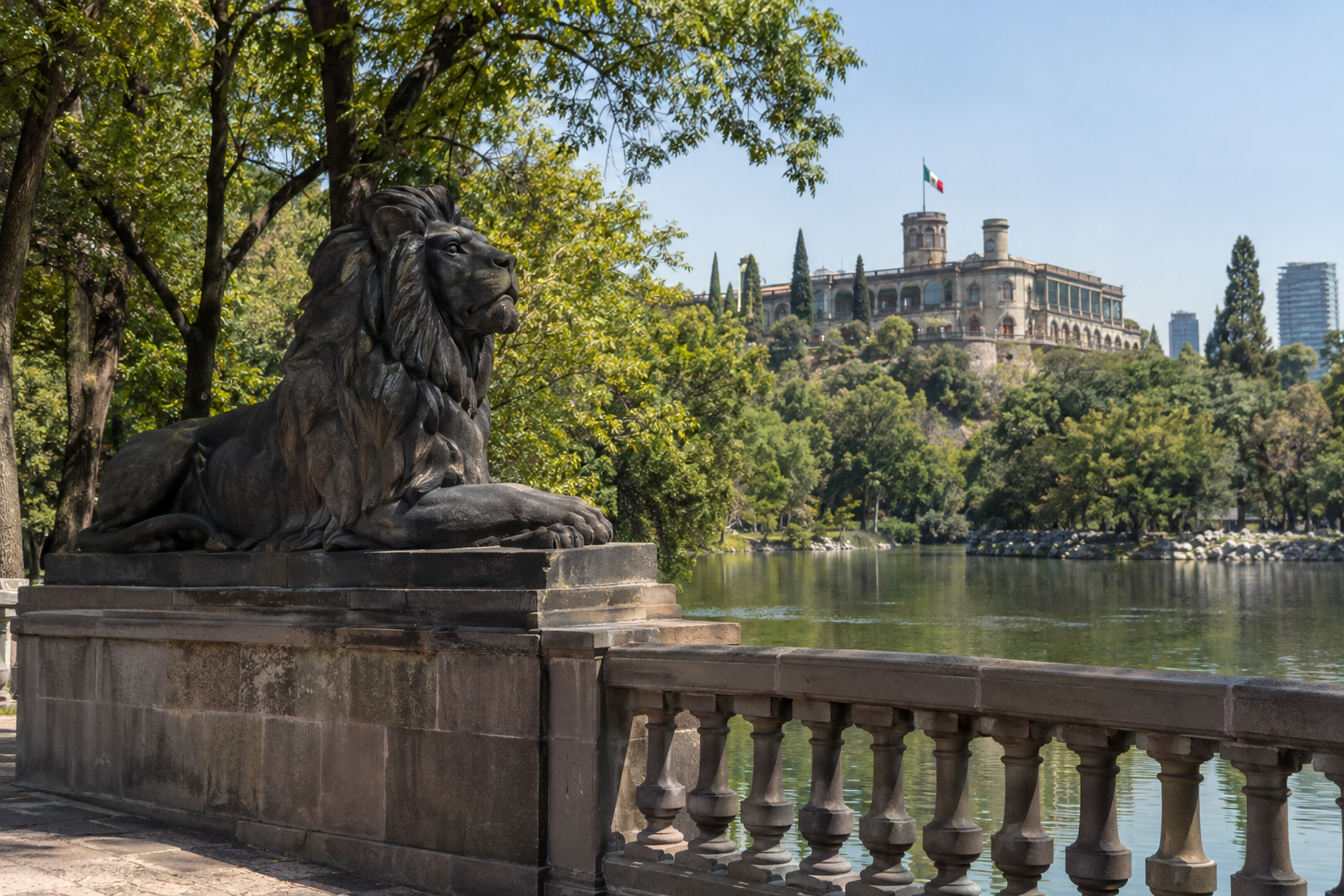
Mexico’s military has put plans for a large museum complex in Bosque de Chapultepec on hold following opposition from local residents, the wider public and Mexico City’s mayor, Clara Brugada. Authorities are seeking an alternative location, retreating from a proposal to place an extensive military and cultural facility inside the popular park. The pause concerns the Chapultepec site rather than an announced abandonment of the museum project itself.
The proposal carried a projected cost of 1. Beyond a museum covering the army, air forces and national guard, the plans included an archive and storage facility, a 464-seat auditorium and parking for 447 vehicles. A shop, café and accommodation block for soldiers were also envisaged. Those elements made the scheme considerably broader than an exhibition venue, combining public cultural facilities with space serving the armed forces.
The Secretaría de la Defensa Nacional, known as Sedena, announced the project in September. The complex was expected to comprise at least four separate buildings, each with two to three floors. Sedena owns the proposed site, but it lies within the boundary of Bosque de Chapultepec. The proposal thus concerned military-owned land within a popular public park, and that ownership did not prevent opposition to the planned development.
Read more: Widnes science museum warns rising costs could force closure within months
The Defence Ministry presented the museum as following a tradition of educating the public about Mexico’s history. Its proposed coverage of the army, air forces and national guard would place several of the country’s security institutions within one cultural complex. Alongside those museum displays, the proposal included archive and storage space as well as an auditorium. Despite the ministry’s stated educational purpose, the announcement provoked strong pushback from residents and the wider public.
Chapultepec’s physical character provides context for the dispute over the proposed site. The park is twice the size of New York’s Central Park and contains more than 55,000 trees, including around 160 rare ahuehuetes. In responding to the proposal, Brugada acknowledged that military authorities were reconsidering their plans while drawing attention to the park itself. The dispute therefore involved not just the merits of another museum, but the place of a substantial building programme within an important green space.
Brugada’s intervention was politically notable because she is a senior figure in the governing Morena party. Over the past two presidential administrations, Morena has led a move to put a number of archaeological and tourism sites under armed-forces control. Her opposition, which was widely welcomed, was consequently unexpected. It showed that support within the governing party for a broader military role in those areas did not translate into agreement over this particular cultural development in the capital.
Read more: North Korea reports tests of two submarine-launched cruise missile types
The proposal also prompted criticism extending beyond park boundaries. Malvido expressed that wider unease: “It’s very worrying that we’re seeing an increasing military presence in all areas of our lives.” That criticism differs from a narrowly architectural objection to the number or size of buildings. It questions the expanding place of the armed forces in civilian life, setting the ministry’s account of historical education against a more sceptical view of military involvement in cultural institutions.
The project’s figures underline the breadth of what was proposed. Parking for 447 vehicles and a 464-seat auditorium would sit alongside exhibition, archival, retail and accommodation uses. The projected 1. These details show that the proposal went beyond displaying military history: it combined that purpose with a much larger physical programme.
Mexico City already has more than 150 officially designated museums, as well as numerous other art and heritage venues. The proposed institution would therefore enter an extensive cultural landscape rather than supply a type of public venue absent from the capital. That background does not settle the case for a dedicated military museum, but it places the ministry’s educational argument in context. The search for another site concerns an additional institution within an already substantial museum network.
Authorities are seeking another site while the plans for Chapultepec remain on hold. Moving the proposal away from Chapultepec would change the location at the heart of the current dispute, while criticism of the military’s wider presence in civilian life raises a separate question. For now, the retreat leaves the planned museum’s location unresolved and the park-based scheme on hold.