Culture · Culture
Widnes science museum warns rising costs could force closure within months
The museum’s head says employment, supplier and compliance pressures are threatening its survival at a site with a history stretching back more than 170 years.
By Oren Valcett · 4 min read
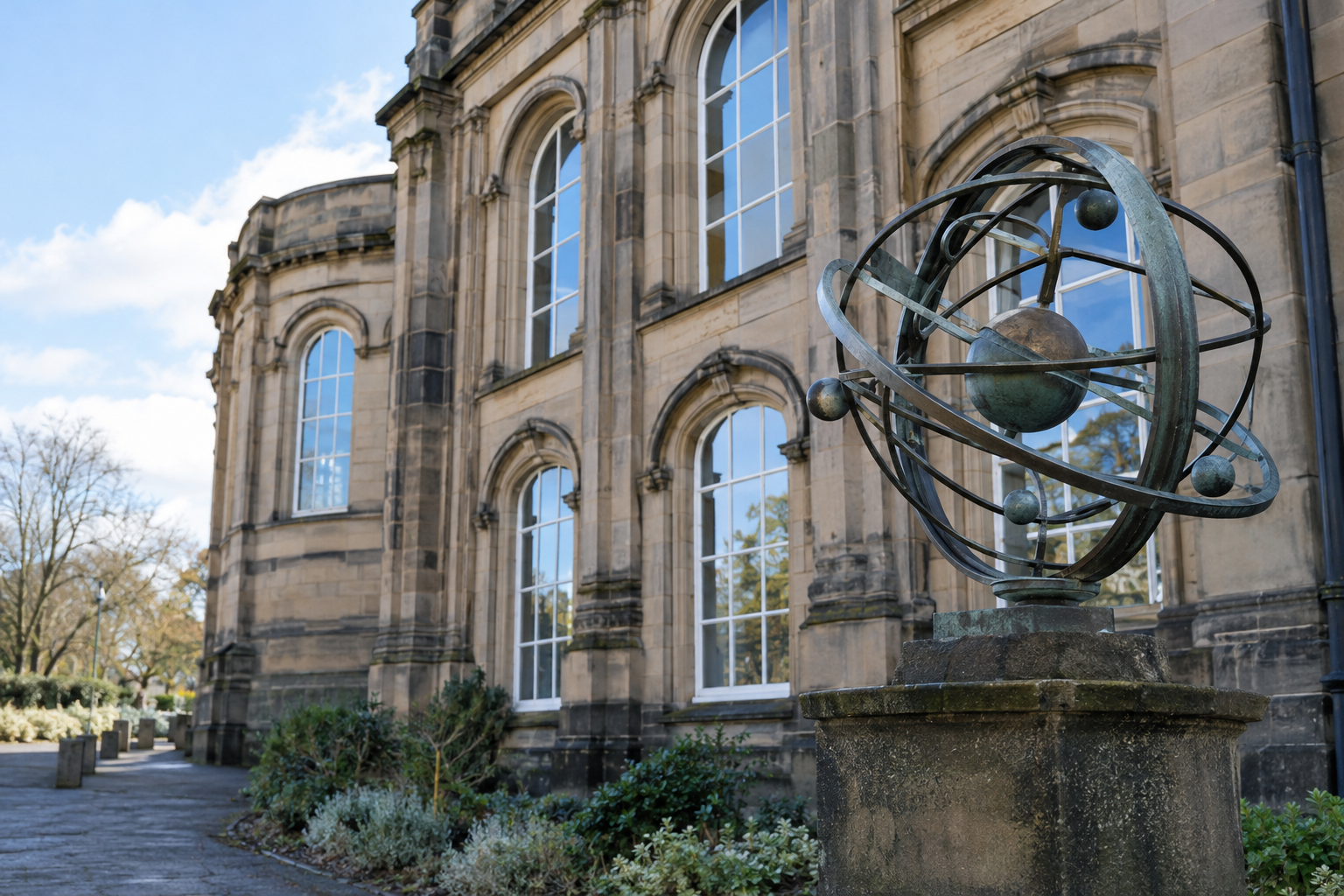
A science museum in Widnes could shut within months as increases in employment and supplier costs, alongside compliance problems, place its survival in doubt, according to its head. The warning describes financial pressure coming from several directions rather than a single expense. It also raises the prospect of closure at a site whose history reaches back to Widnes’s emergence as an important centre of Britain’s chemical industry.
The possible closure is measured in months, but the supplied excerpt specifies no firm closure date or financial shortfall. The site’s history spans more than 170 years, giving the warning a significance beyond the immediate question of operating costs. Those are the principal measures of urgency and historical context available in the excerpt: the museum’s head has identified pressures threatening the institution, but the supplied material contains no detailed financial breakdown that would show how close it is to shutting.
Employment expenses are among the costs singled out. The museum’s head cited “employer costs, national insurance and suppliers” in explaining the difficulties. The excerpt does not separate the contribution of each item or quantify how much any has increased. That distinction matters when assessing the warning: it identifies employment-related costs as part of the problem, but does not establish that they are the largest factor. Nor does it provide a basis for attributing the threatened closure to any one charge.
Read more: Mexico’s military puts Chapultepec museum plans on hold after opposition
The supplier pressures described extend from ice cream to gas and electricity. That range helps explain why the museum’s head presents the difficulty as a combination of increases rather than an isolated bill. However, the examples do not show the relative weight of those purchases in the museum’s spending. A rise affecting one category cannot be treated as equivalent to a rise in another without figures for expenditure, and the supplied material contains neither individual bills nor an overall operating-cost total.
Compliance issues add a separate element to the financial pressures. The museum’s head said there had been several problems that needed to be addressed, describing their convergence with rising costs as a “perfect storm”. The nature of those issues is not specified in the excerpt, which does not establish whether all have been resolved. It would therefore be premature, on this evidence, to characterise them as a continuing obstacle to operation, a completed programme of work or a particular kind of regulatory failure.
Taken together, the comments describe a cost problem, but they do not amount to a complete picture of the museum’s finances. No income, reserves or funding figures appear in the supplied material. There is consequently no basis in the excerpt for calculating the gap between what the institution receives and what it spends, or for putting a price on keeping it open. The distinction is important: the head’s assessment conveys urgency, while the information supplied does not allow an independent measurement of the remaining financial room.
Read more: North Korea reports tests of two submarine-launched cruise missile types
The historical setting gives the threatened closure a wider cultural dimension. More than 170 years ago, Widnes was becoming one of the most significant places in Britain’s developing chemical industry. The site’s history reaches into that period, placing the present concern over a science museum alongside an account of industrial change. That connection provides context for the institution’s location, although the supplied material does not describe its collections, exhibitions or the way it interprets the area’s chemical heritage for visitors.
The age of the site should not, however, be confused with the age of the museum. The historical passage establishes the former, not when the institution opened or how long it has operated in its current form. The excerpt also offers no figures for attendance or evidence about recent changes in demand. On the evidence supplied, the warning is therefore best understood on the terms set out by the museum’s head: a threat associated with mounting expenses and compliance issues, rather than a demonstrated fall in public interest.
There is also an important difference between the possibility of closure and a decision to close. The supplied material reports that the museum could close; it does not announce that it will cease operating on a specified date. No alternative assessment of its prospects appears in the excerpt, but neither is a recovery plan detailed there. The available material supports reporting a serious threat to survival, not treating closure as inevitable or suggesting that an identified intervention has already secured the museum’s future.
What comes next remains unresolved in the supplied material. The excerpt does not set out a timetable for decisions, a financial target or a specific route to avoiding closure. A fuller assessment would require details of the costs involved, the status of the compliance work and the resources available to meet those obligations. For now, the museum head’s message is that several pressures have converged, leaving an institution at a historically significant Widnes site facing the possibility of shutting within months.