Middle East · World
Trump calls Iran war militarily ‘effectively over’ after Qatar meeting
Brent crude futures fell 24 cents to $92.
By Ilan Corven · 3 min read
President Donald Trump described the Iran war as militarily “effectively over” after meeting Qatar’s prime minister on November 9, while defending the continued US blockade on regional security grounds. His assessment drew a distinction between the military campaign and the broader conditions for ending the confrontation. The remarks suggested that, in Trump’s account, his assessment of the fighting did not remove the need to protect regional allies or seek a longer-term arrangement.
Brent crude futures declined 24 cents, or 0. Those movements provided a measured market backdrop to the president’s comments: both benchmarks were lower, but the price changes alone could not establish whether military tensions or restrictions affecting regional trade would be durably resolved.
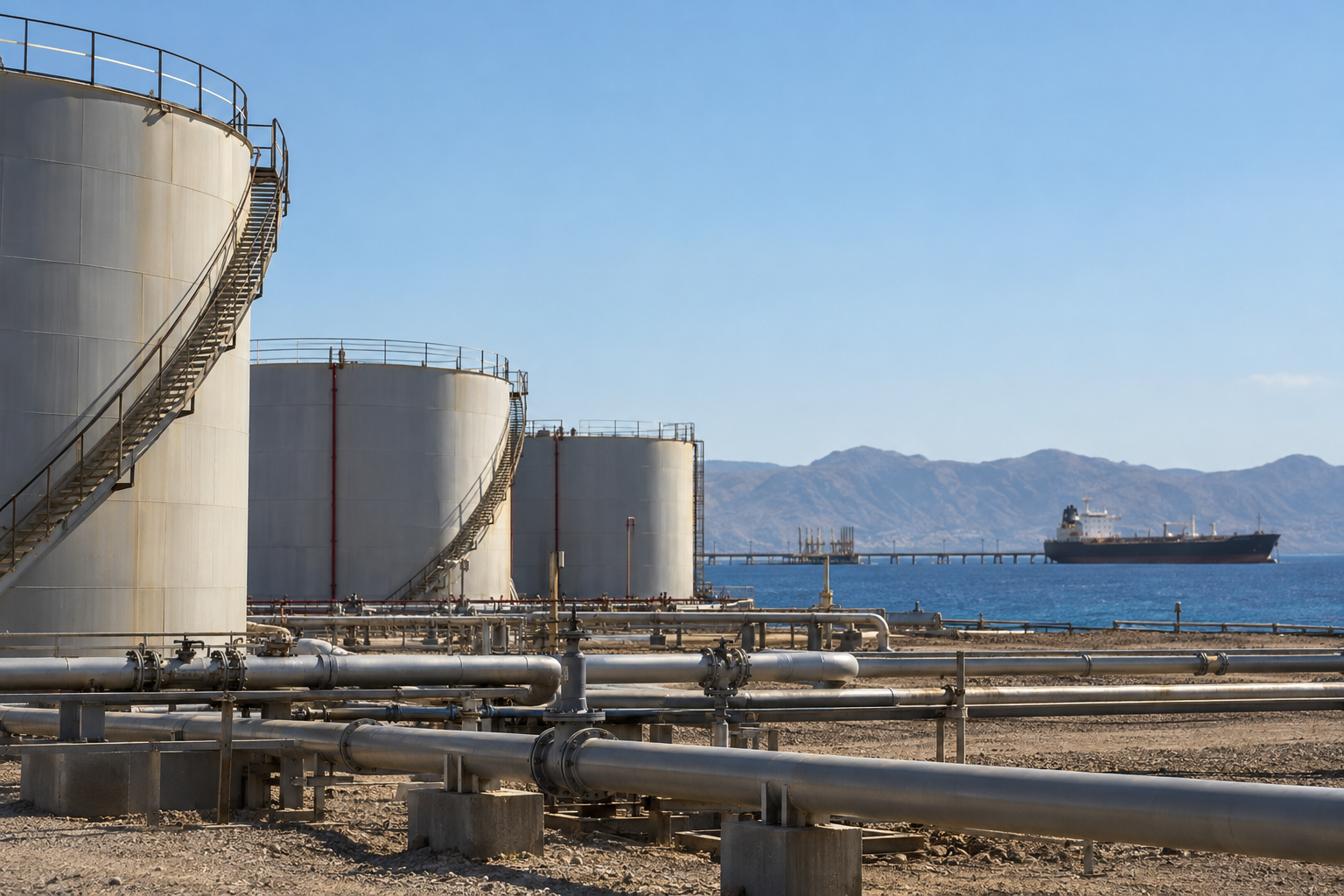
The Strait of Hormuz remains central to understanding the confrontation’s commercial significance. Iran moved to shut the waterway almost as soon as the United States and Israel began their attacks. The strait is an important route for oil, gas and fertiliser, among other goods, making the dispute relevant to more than crude prices. Iran’s move against the passage and the continued US blockade are therefore important context for assessing what an end to the war would mean beyond military operations.
Read more: Europe joins U.S.-mediated Russia-Ukraine peace effort in Abu Dhabi
Trump explained the blockade in terms of protecting allies rather than presenting his military assessment as sufficient reason to end it. “We have some great allies there, and we have to make sure they’re not hurt, and they would be hurt,” he said. He also called for a “long-term solution”, rather than a short-term arrangement. That emphasis placed the protection of partners alongside the military outcome in his explanation of the US position following the meeting with Qatar’s prime minister.
The distinction matters because a judgment about the state of a military campaign is not the same as an agreement governing what follows. Trump’s description addressed the former, while his defence of the blockade concerned continuing security concerns. Read together, the comments did not amount to an unconditional declaration that every element of the confrontation was finished. They instead combined confidence about the military position with a defence of the continued blockade and a call for a longer-term solution.
The oil figures likewise warrant a limited interpretation. Brent’s reported 0. Futures prices and official statements offer different kinds of information. The former recorded a market movement at a particular time; the latter set out the president’s assessment and priorities. Treating either as proof of a completed political settlement would go beyond what those developments establish.
Read more: Americans less likely to back pro-war candidates by 3-1 margin, poll finds
The range of goods moving through Hormuz also broadens the commercial context for any durable arrangement. Oil prices are one visible measure of the confrontation’s commercial context, but gas and fertiliser are part of that context too. A reduction in the prospect of further attacks would not, by itself, answer questions about the waterway. The distinction between military de-escalation and arrangements for trade is therefore important when weighing Trump’s description against his continued justification for the US blockade.
Diplomacy presents a separate question from the president’s military assessment. Describing the war as effectively finished in military terms does not itself establish that Washington and Tehran are negotiating, or that they share an understanding of the next steps. The meeting with Qatar’s prime minister is part of the diplomatic context for Trump’s remarks, but it cannot alone establish an Iranian position. Any assessment of progress towards an agreement must distinguish the president’s stated objectives from commitments accepted by the other side.
Trump had suggested the previous week that a broad peace agreement was possible in their 4-1/2-year-old war and could encompass Europe’s security. That prospective meeting concerned a different conflict and offered no confirmation of negotiations with Iran. It nevertheless provided another setting in which the president was discussing an end to fighting alongside wider security arrangements, illustrating the distinction between military and political questions.
For Iran, a substantive question is whether Trump’s military assessment will be followed by arrangements addressing the concerns he cited in defending the blockade. His call for a longer-term solution leaves the terms of such an outcome central to the story. The lower oil prices supplied a market snapshot alongside his comments on escalation, not proof of their effect or a timetable for resolution. Assessing the status of the confrontation requires more than the president’s description of the fighting: protection of allies, the blockade and Hormuz remain distinct questions.