Art · Art
Fifty years after Arts Britain Ignores, a question of British identity
Serendipity Institute’s Pawlet Brookes describes diversity as fundamental to British identity, offering a lens on questions of recognition for Black and Asian artists.
By Calla Brenmoor · 2 min read
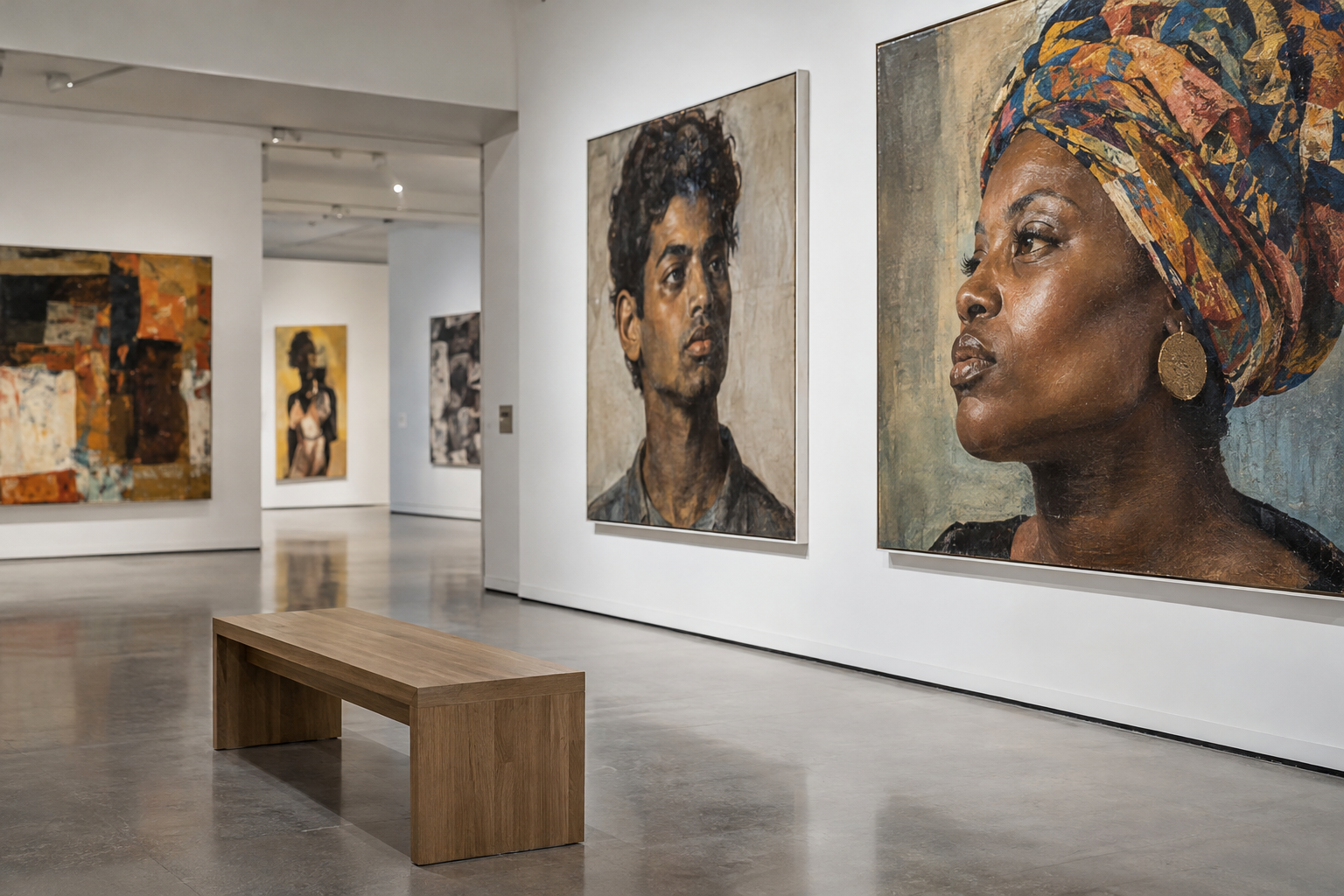
Fifty years after Arts Britain Ignores, the question of what has changed for Black and Asian artists in Britain also raises a question about how British identity is understood. For Pawlet Brookes, chief executive and artistic director of Serendipity Institute, diversity is not separate from that identity but part of its definition.
Brookes contrasts that understanding with different narratives about Britain. “We had Cool Britannia, we’ve had the ‘ain’t no black in the union jack’. We’ve had all of that narrative,” she said. Her observation places a celebratory account of national culture alongside language of racial exclusion, drawing attention to the different ways Britishness has been presented.
“But the reality is British is diverse – whether that diversity is layered with colour or layered in other ways,” Brookes said. The distinction is between the narratives used to describe the country and the diversity she identifies as fundamental to it.
Read more: Van Gogh valued at US$180 million on display in Hong Kong
That argument offers a framework for considering the anniversary, rather than a measurement of progress. Recognising diversity as part of British identity is a different proposition from establishing how opportunities for Black and Asian artists have changed. Brookes’s comments address the former; they do not quantify the latter.
The anniversary therefore provides a point from which to ask about change, but the comments alone cannot establish its extent. They articulate a position on cultural belonging without supplying evidence about artists’ representation, institutional support or access to opportunities.
Editor’s note: The supplied excerpt provides Brookes’s comments but no comparative figures or detailed assessment of changes for Black and Asian artists. Further reporting would be needed to assess those changes.
Read more: A 27-metre batik anchors Bagri Foundation’s first London exhibition