USA · USA
Judge extends White House access protections for three outlets
The extension preserves protections for three outlets after an earlier order granted a 14-day reprieve, with the judge finding reasonable grounds for them to expect to prevail.
By Mara Vennick · 3 min read
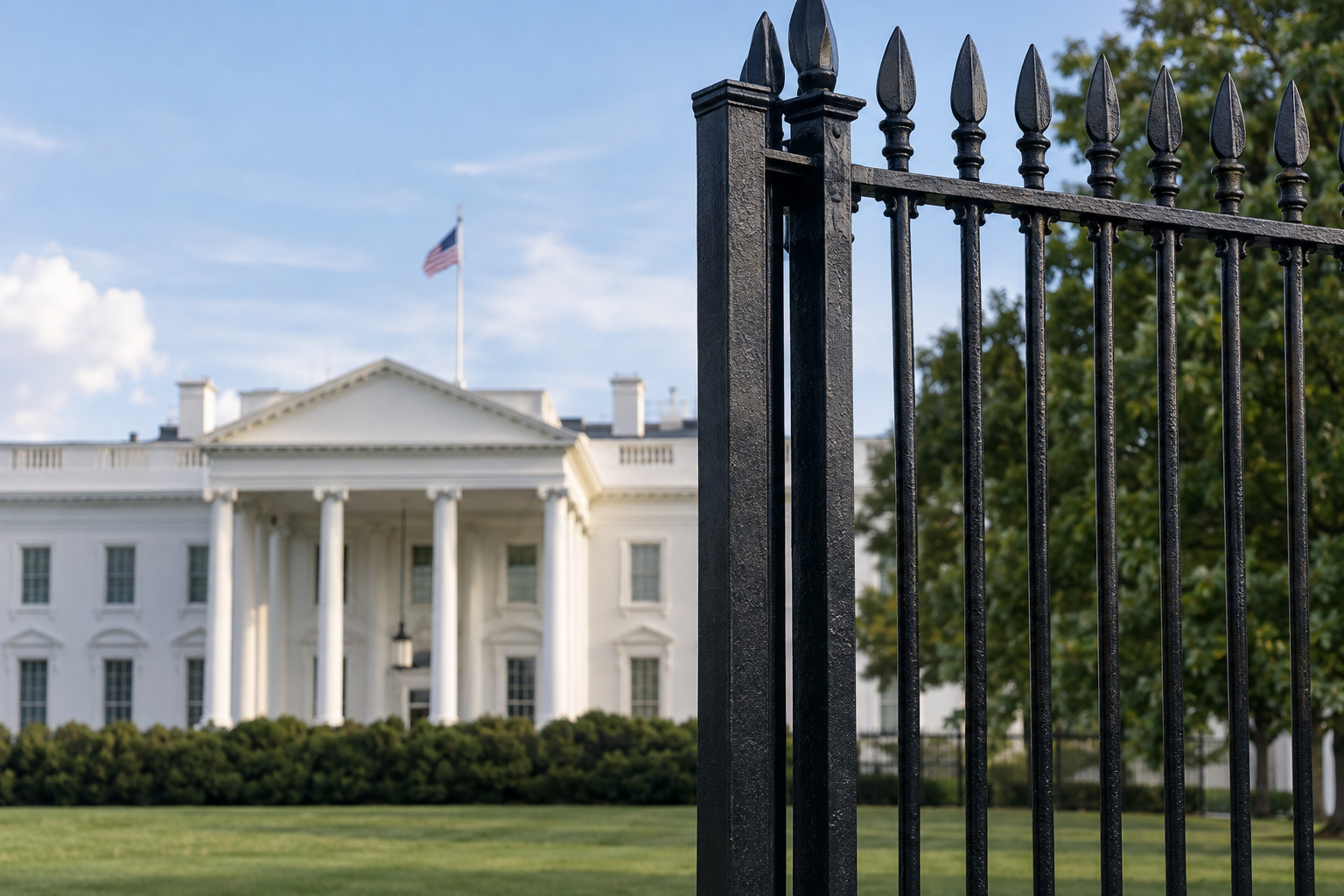
A federal judge on October 14, 2026, extended an order preventing the Trump administration from excluding three outlets from the White House, preserving access protections while they contest their bans. District Judge Timothy Kelly said the outlets had reasonable grounds to believe they would prevail in the case. The decision continues judicial protection against the administration’s action but does not amount to a final ruling on the dispute.
The case concerns three outlets and follows a temporary restraining order Kelly granted on September 24. That earlier intervention provided a 14-day reprieve after the president had banned the outlets six days before it was issued. The extension keeps the administration’s access restrictions subject to a court order rather than allowing its exclusion of the outlets to proceed unimpeded. Its immediate significance is continued protection for the same plaintiffs that obtained the September order.
The outlets sued in September after the administration denied them access. Their challenge therefore concerns an exclusion that had already been imposed, rather than a proposed restriction or a warning about future treatment. By seeking judicial intervention, the three plaintiffs put the administration’s decision before the federal court. Kelly’s September 24 order gave them temporary protection, and his latest action extends that protection as the underlying case remains unresolved.
Read more: IMF warns Saudi attacks could have worldwide consequences
The sequence is important to understanding the ruling’s scope. The presidential ban came first, followed six days later by the initial reprieve. The October 14 decision then extended the order blocking the administration from banning the outlets. These are separate developments within the same access dispute: the executive action, the court’s first temporary response and its continuation of that response. The latest development is an extension of protection, not the announcement of a new ban.
Alongside the extension, Kelly offered an assessment of the outlets’ prospects in the case. His finding that they had reasonable grounds to expect success favours their challenge at this stage. It nevertheless leaves a distinction between an assessment of how a case may turn out and a conclusive determination of its outcome. The outlets have secured continued protection from exclusion, while the question of whether they ultimately prevail remains separate from that immediate result.
The figures describe both the reach and the chronology of the intervention. Three outlets are protected, and the earlier reprieve was granted for 14 days. The six-day interval between the ban and the September 24 order shows how soon the initial judicial protection followed the president’s action. Those figures should not be confused with the duration of the latest extension: the earlier reprieve’s stated length describes the September order, rather than establishing a new deadline for the case.
Read more: Reported UK marketplace tax crackdown could raise up to £1bn
The opposing positions are evident in the actions taken by each side. The Trump administration denied the outlets access, while the three plaintiffs challenged that denial through a lawsuit. Kelly’s extension prevents the administration from enforcing the bans against them under the order’s protection. That is a practical setback for the administration and a provisional success for the plaintiffs, without resolving every issue that their legal challenge may require the court to decide.
For the outlets, the immediate outcome concerns access to the White House rather than a final declaration that their lawsuit has succeeded. For the administration, it means its decision to exclude those outlets remains constrained by the court’s intervention. Keeping those consequences distinct avoids treating an interim victory as a completed case. The ruling maintains protections while the dispute proceeds, even though the ultimate outcome of the challenge has not been established.
The protection described in the ruling concerns the three plaintiff outlets specifically. It should not be read as a reported decision covering every outlet or every possible dispute over White House access. Likewise, Kelly’s assessment of these plaintiffs’ chances does not establish the outcome of any other case. The significance here rests on the continuation of the order for the outlets that sued after being denied access, and on the judge’s favourable assessment of their prospects.
The unresolved question is whether the outlets secure a final victory beyond the temporary protections already obtained. The October 14 extension leaves them protected against the bans in the meantime. The central distinction remains between access during the litigation and the eventual disposition of the challenge: Kelly has continued the former and indicated that the outlets have grounds for confidence about the latter, without yet delivering a final outcome.