Japan art · Art
Mariko Mori returns to Japan’s spotlight with first solo show in 24 years
The exhibition renews attention on Mori as Japan’s autumn art programme ranges from a 56-venue Tokyo event to a Maebashi festival linked to urban renewal.
By Calla Brenmoor · 4 min read
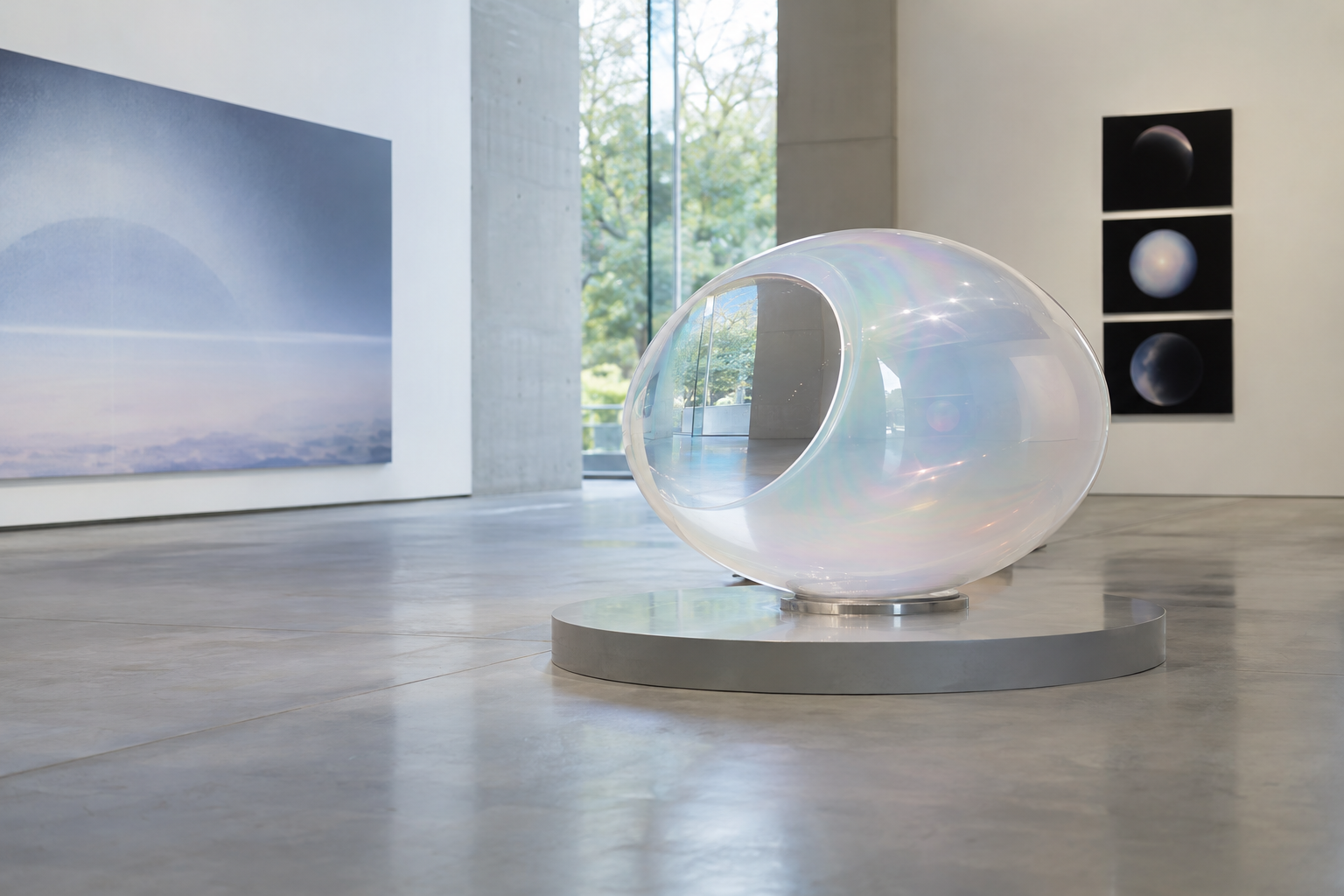
Mariko Mori is returning to prominence in Japan with her first solo exhibition in 24 years, a significant interval that makes the presentation an occasion to reconsider her work. Her return comes during an autumn programme encompassing individual museum exhibitions, international exchanges and new festivals. Against that varied backdrop, the central distinction of Mori’s exhibition is its focus on an individual artist after a long gap between solo presentations.
The 24 years describe the reported interval between Mori’s solo exhibitions, not a stated absence from artistic activity or all other forms of exhibiting. That distinction matters in assessing the significance of the return. Elsewhere in the capital, Art Week Tokyo’s fifth edition brings together 56 venues and international participants over five days. These figures describe different dimensions of the season: the length of time between Mori’s solo exhibitions, and the geographic and organisational breadth of a citywide event.
Art Week Tokyo’s Atsuko Ninagawa wants to strengthen connections across the capital’s dispersed art community. Its programme combines exhibitions with discussions and exchanges, providing broader seasonal context for the renewed attention to Mori. The approaches are distinct rather than interchangeable. A solo exhibition centres attention on an artist, while a programme spread across venues encourages movement among different presentations. The information available does not establish that Mori’s exhibition is part of Art Week Tokyo, and the events should not be conflated.
Read more: Shanghai art week tests the resilience of a slower-growing market
The scale of Art Week Tokyo also requires careful interpretation. Its 56 venues indicate the extent of participation, but do not establish attendance, sales or the depth of visitors’ engagement. Similarly, the 24-year interval gives Mori’s exhibition a clear point of distinction without, by itself, demonstrating its reception. Taken together, the figures show the range of exhibition formats available in Japan this season. They are measures of timing and organisation, rather than evidence of a wider increase in demand for art.
Beyond Tokyo, Maebashi’s inaugural art festival sits within a decade-long effort to revitalise the city, including construction and renovation. That places the event in a different context from an artist’s return to a solo exhibition: art is being presented alongside changes to the urban environment. New festivals in Tokyo and Maebashi, in Gunma Prefecture, join a seasonal programme of continuing exhibitions and performances. Mori’s presentation is therefore part of a broader cultural calendar, although that does not establish a shared purpose among these initiatives.
Another approach is visible in Kyoto, where Studio Ghibli co-founder and producer Toshio Suzuki invites visitors to reflect on living well through the exhibition “Zen and Ghibli.” Its emphasis provides a contrast to both the citywide connections sought by Art Week Tokyo and the urban renewal surrounding Maebashi’s festival. These examples illustrate the different questions an exhibition can organise itself around. They also provide context for Mori’s return without supplying evidence about the themes, works or curatorial choices in her own presentation.
Read more: California voters reject proposed 5% billionaire wealth tax, projections show
Individual artistic legacies are also receiving attention at the Yayoi Kusama Museum, which opened an exhibition on Oct. 8, 2026, its first since Kusama’s death. Kusama died at 97. Her work transformed experiences of hallucination and anxiety about the disappearance of the self into imagery recognised internationally. The museum’s presentation and Mori’s return concern different circumstances, but both put an individual body of work at the centre of attention, alongside programmes whose defining characteristics are their multiple venues or relationship with a city.
Kusama’s death also brings a market question into view: the end of new production is not the same as uniform rarity across an extensive body of work. That distinction offers a useful counterpoint to an exhibition-led account of the season. Artistic interpretation and market scarcity are different ways of assessing a legacy, and neither can stand in for the other. There are no sales or valuation figures here that would support a comparable market conclusion about Mori’s return to a solo exhibition.
Art fairs offer another model for encountering work. By typically gathering hundreds of artists and galleries in a single location, they enable visitors to compare a broad selection without travelling between dispersed venues. That format contrasts with Art Week Tokyo’s network and with the sustained focus possible in an individual exhibition. The season’s variety is therefore not simply a matter of how many events are taking place. It also concerns how work is brought together and the different settings in which audiences encounter it.
For Mori, the next question is what the exhibition itself reveals about her work beyond the significance of the interval. The available information does not specify its venue, dates, selection of works or subsequent plans, limiting conclusions about its scope. What is established is a first solo exhibition in 24 years that brings renewed attention to Mori in Japan. Within a season of museum exhibitions, fairs and festivals, that gives audiences a distinct occasion to turn their attention back to Mori.