Culture · Culture
Mexico’s military puts Chapultepec museum plans on hold after opposition
Authorities are seeking another site for a military museum complex projected to cost 1.
By Oren Valcett · 3 min read
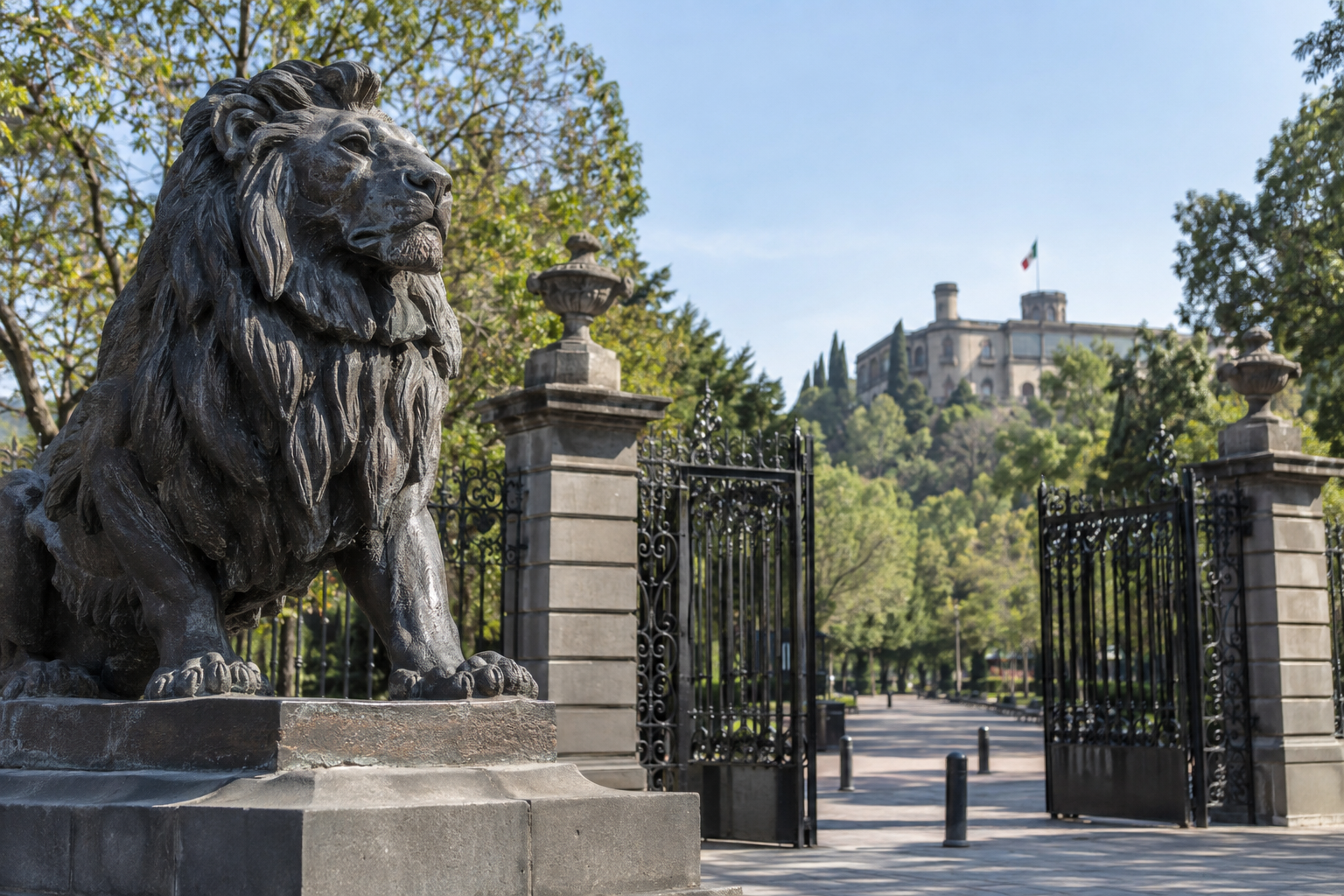
Mexico’s military has put plans for a sprawling museum complex in Bosque de Chapultepec on hold following widespread opposition, including from Mexico City’s mayor, Clara Brugada. Authorities are looking for an alternative location after residents and cultural commentators challenged the proposal to build in the popular park. The retreat concerns the proposed site rather than an announced abandonment of the museum project itself.
The scheme was projected to cost 1. The proposed complex would have at least four separate buildings, each with two to three floors, alongside a 464-seat auditorium and parking for 447 vehicles. Those specifications made the proposal considerably broader than a set of exhibition galleries: it combined a museum with archival, storage, visitor-service and military accommodation functions on land inside the park’s boundary.
The Secretaría de la Defensa Nacional, known as Sedena, announced the project in September. Its proposed museum would cover the army, air forces and national guard, supported by an archive and storage facility. A shop, café and accommodation block for soldiers were also included. Although Sedena owns the proposed site, its location within Bosque de Chapultepec placed the development at the centre of a dispute over the use of parkland and the military’s cultural ambitions.
Read more: IMF warns Saudi attacks could have worldwide consequences
In its initial announcement, the Defence Ministry presented the museum as following a tradition of educating the public about Mexico’s history. That educational rationale is distinct from the question raised by opponents about where such an institution should be built. The search for another site leaves open the possibility of pursuing the ministry’s museum plans elsewhere, following the resistance that the Chapultepec location provoked. Brugada has acknowledged that military authorities are reviewing their plans.
The proposal entered an already extensive cultural landscape. Mexico City has more than 150 officially designated museums, as well as other venues devoted to art and heritage. That number does not, by itself, establish whether a further military museum is needed. It does, however, provide context for the public argument over the project: critics questioned the case for another institution and whether the money allocated to it would be better directed towards the park that was to accommodate it.
Author and cultural commentator Adriana Malvido has challenged both the purpose and the location of the development. She asked why the army wanted another museum and why the project’s funding could not instead support rehabilitation within Bosque de Chapultepec, rather than paving over parts of it. Her criticism also extended beyond the proposed buildings to the institution behind them. “It’s very worrying that we’re seeing an increasing military presence in all areas of our lives,” Malvido said.
Read more: Judge extends White House access protections for three outlets
Brugada highlighted the park’s scale and natural features in her response to the proposal. Bosque de Chapultepec is twice the size of New York’s Central Park and contains more than 55,000 trees, including around 160 rare ahuehuetes. These figures describe the wider park, not the proposed building site or the number of trees that construction would affect. They nevertheless place the museum dispute within a setting whose importance extends well beyond its existing cultural institutions.
The project’s specifications also clarify the breadth of the proposed development. Parking for 447 vehicles and an auditorium with 464 seats would serve functions beyond displaying military collections, while the archive and storage facilities would support the institution’s holdings. The soldiers’ accommodation added a further use to the complex. Read together, these elements show why the proposal involved a substantial building programme, rather than simply the addition of museum exhibition space within an established cultural destination.
The competing positions therefore encompass several questions: the military’s stated educational purpose, the case for another museum in a city with many existing institutions, and the suitability of a park location for the proposed complex. Malvido’s call for rehabilitation offered a different priority for the earmarked money. Sedena’s ownership of the site did not settle those questions for opponents, whose objections focused on what would be built within Chapultepec as well as who would build it.
For now, the next step is the search for an alternative site. The plans remain on hold while military authorities review them, and the projected cost and construction period describe the proposal that prompted the opposition, not a confirmed replacement scheme. The move away from the Chapultepec plan leaves the military’s broader museum ambition unresolved, while giving opponents of development in the park a retreat on the immediate issue of location.