Culture · Culture
Tetsuya Chiba, manga artist behind ‘Ashita no Joe,’ dies at 87
The artist helped establish sports manga as a major genre and in 2024 became the first manga artist to receive Japan’s Order of Culture.
By Oren Valcett · 3 min read
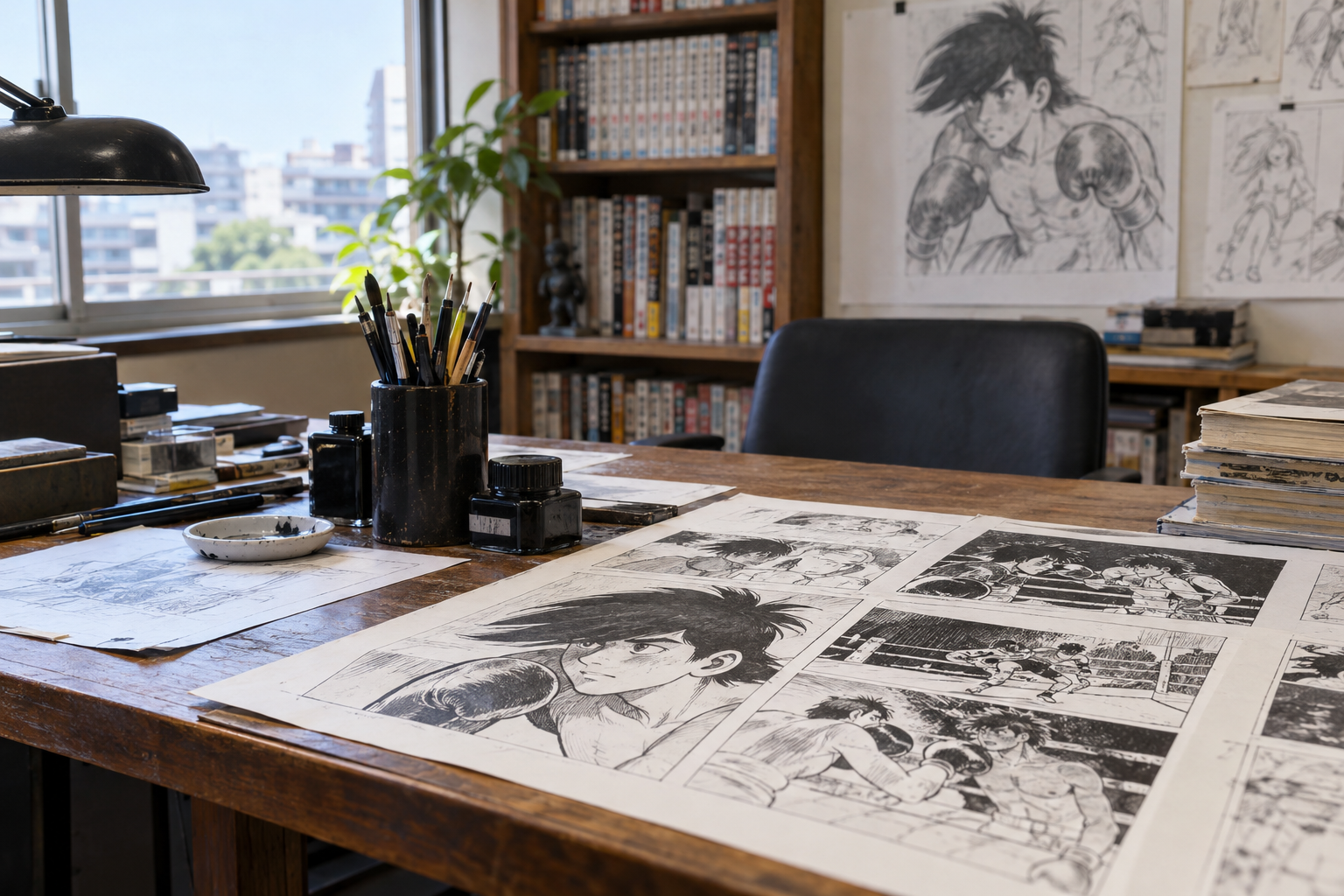
Tetsuya Chiba, the Japanese manga artist whose boxing drama “Ashita no Joe” helped give sports stories a major place in the medium, has died at 87. His death was reported on Tuesday, Oct. 27, 2026. Best known for the story of underdog boxer Joe Yabuki, Chiba also created the sumo series “Notari Matsutaro.” His career brought together an influential contribution to sports manga and recognition through one of Japan’s highest cultural honours, the Order of Culture.
The principal milestones of that career stretch from his magazine debut in 1958 to his receipt of the Order of Culture in 2024. Between them came the start of “Ashita no Joe” in 1968, the work most closely associated with his name. Chiba was the first manga artist to receive the honour. Those dates frame a career significant both for the development of a particular genre and for manga’s recognition within Japan’s wider cultural life.
Born in Tokyo in 1939, Chiba entered magazine publishing with “Butokai no Shojo.” That debut provides an important starting point for an account of his work: his magazine career preceded the boxing story that would become his best-known title. Although “Ashita no Joe” dominates his reputation, it was not his introduction to magazine readers. The distinction separates his magazine debut from the later work that helped establish his place in the history of sports manga.
Read more: Tashkent’s modernist architecture enters UNESCO World Heritage List
Chiba began serialising “Ashita no Joe” in 1968. Its central figure, Joe Yabuki, was a boxing underdog, placing an individual competitor at the centre of a sporting drama. The work’s importance extended beyond its association with Chiba himself: it helped establish sports manga as a major genre. That is the clearest indication in the available account of his influence on the medium, identifying a contribution to the development of a category rather than simply a successful individual title.
The underdog premise is also central to understanding how the series is described. “Ashita no Joe” was a drama about a boxer, not merely a work with sport as its setting. The story of Joe Yabuki became Chiba’s best-known work and contributed to the wider genre’s development. The available account supplies no circulation figures or sales totals, so its significance cannot be expressed here as a commercial ranking or a numerical measure of readership.
“Notari Matsutaro,” his series about sumo wrestling, provides another point of reference for his work. Boxing was not the only sport he depicted, and “Ashita no Joe” was not his only contribution to manga centred on athletic competition. The sumo title broadens the account of his output without displacing the boxing drama from its position as his best-known work. Together, the titles show why sport occupies such a prominent place in an assessment of his career.
Read more: $20m gift to establish Philadelphia Museum of Art education center
The Order of Culture marked a different kind of achievement. Chiba received it in 2024, becoming the first manga artist to do so. As one of Japan’s highest cultural honours, it placed formal recognition alongside the influence associated with his work. The distinction matters beyond the fact of an individual award: the first recipient from manga also represented the medium within an honour that had not previously been conferred on one of its artists.
The dates offer complementary ways to understand his career, but they should not be treated as interchangeable measures of success. The 1958 debut marks his entry into magazine publication; 1968 identifies the beginning of his defining series; and 2024 records the cultural honour. None supplies a measure of audience size. Read together, however, they trace the movement from publication to an influential sporting narrative and then to recognition at a high level of Japan’s cultural honours.
An assessment focused on “Ashita no Joe” emphasises Chiba’s contribution to sports manga, while one centred on the Order of Culture emphasises institutional recognition. These are distinct perspectives on the same career rather than competing verdicts. His sumo series adds breadth to the former, and his status as the honour’s first manga recipient gives particular weight to the latter. The available account does not include critical disagreements or statements from fellow artists that would support a broader debate.
Details of the cause and circumstances of Chiba’s death, and of any funeral or public memorial arrangements, were not included in the information provided. The available account does not establish when those details might be released. For now, the record of his career rests on identifiable works and milestones: a magazine debut, a boxing drama that helped shape a genre, a sumo series and a cultural honour that marked a first for manga.