Art markets · Opinion
The limits of a forecast $992bn art transfer
Deloitte and ArtTactic forecast that $992bn in art and collectables will change hands over the next decade, but Bendor Grosvenor argues that inheritance is no guarantee of investment returns.
By Editorial Board · 4 min read
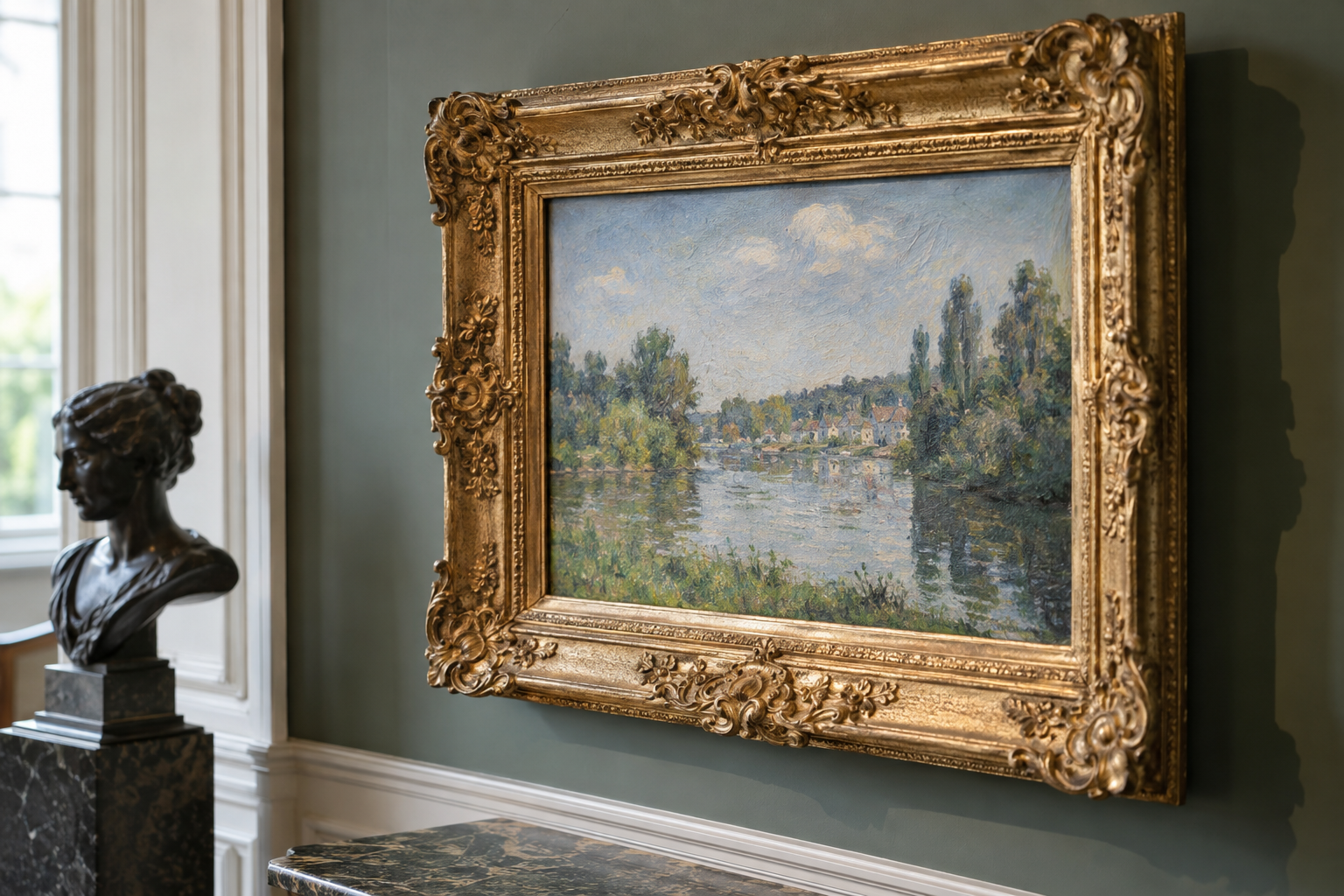
The prospect of a generational handover of art presents two different questions: who will own it next, and whether buying it will make money. The Great Art Transfer brings those questions together in an attractive investment narrative. Bendor Grosvenor argues that they should remain separate. His criticism is not that valuable collections cannot pass between generations, but that the scale of that movement offers little assurance about the return available to someone purchasing a work today.
Deloitte and ArtTactic’s 2025 Art & Finance Report estimated that $992bn in art and collectables would change hands over the next decade, or nearly $100bn per year. That sits within forecasts of more than $100 trillion moving between generations in the US over roughly the next two decades as Baby Boomers age. The report also cited a compound annual growth rate of 3.2% for fine art over the previous 20 years—a figure Grosvenor explains comes from a selected auction index rather than the whole market. Together, those figures establish the scale of the forecast transfer and the historical performance claim—not a prospective investment return.
Grosvenor places the transfer narrative in a longer history of financial marketing. He notes that the Great Wealth Transfer label has been used to sell financial services since the 1990s, and that Accenture promoted a Greater Wealth Transfer in 2012. His point is that inheritance is not a newly discovered economic event. A fresh label may draw attention to an existing process without demonstrating that the process has become more profitable for investors. That challenges the novelty of the pitch, rather than settling whether the forecast itself is sound.
Read more: France’s proposed €1.2 billion education increase faces a test of priorities
There is, however, evidence of a change in the services surrounding art ownership. In his October 2026 commentary, Grosvenor cites Deloitte figures showing that only a quarter of wealth managers offered art-related services in 2011, and says half now do. That offers a counterweight to treating the transfer story as merely recycled publicity: more wealth managers are participating in the field. The forecast may therefore have significance for the provision of art services even if it says little about the investment merits of an individual painting.
The distinction matters because the $992bn figure measures an expected transfer of ownership, not an expected profit. Nor does its stated scope stop at fine art: it includes collectables. Reading it alongside the report’s fine-art growth figure risks making two differently defined measures appear to tell a single investment story. A large volume of assets passing to new owners can be important to those owners and their advisers without establishing how much a buyer should pay or what a later sale might realise.
The 3.2% figure provides a more direct basis for considering investment performance, but Grosvenor questions how broadly it can be applied. He says it comes from a separate index, rebalanced annually, covering the 100 highest-selling artists at auction, rather than an average of the entire fine-art market. That does not make the reported history irrelevant. It does mean that the history belongs to a selected group. Its apparent precision should not obscure the narrower range of artists on which it rests.
Read more: Omar seeks donations amid reported federal investigation and home search
The strongest investment argument available in the report’s figures is therefore limited but identifiable: a defined segment has recorded positive compound growth over the previous 20 years. Grosvenor’s objection is to treating that record as representative of art generally, or as a return readily captured by a purchaser. Annual rebalancing also distinguishes an index from ownership of a particular work. The historical measure and the experience of buying, holding and eventually selling that work are not interchangeable propositions.
Costs sharpen his challenge. Grosvenor describes art as highly illiquid and expensive to trade, arguing that a work’s price often needs to rise by at least 30% simply for its purchaser to recover the amount paid. This is a different measure from the annual growth rate, and the two should not be casually compared. The relevant analytical point is that an increase in a quoted price need not amount to a gain for the owner once the costs of participating in the market are considered.
Grosvenor nevertheless acknowledges that people can make money from art. His position is that success usually owes more to luck than judgement, leading him to advise buying for enjoyment rather than investment. The figures he discusses also have institutional relevance: a substantial forecast transfer, a historical performance measure and wider availability of art services. Those observations can support attention to art within wealth management without necessarily contradicting Grosvenor’s warning. Providing services around an asset and recommending it for financial return are different activities.
As the forecast decade unfolds, the central test will be whether the transfer narrative remains clear about those distinctions. Changes in ownership, demand for advice and investment performance should be assessed separately. The $992bn estimate gives the discussion scale; it does not resolve the questions of selection, liquidity and costs that Grosvenor raises. His scepticism is strongest when directed at that gap. The report’s figures are most useful when read within their stated scope, rather than as a promise about what the next collector will earn.